How to Reduce Downtime with Professional Industrial Machinery Moving Services
Strategic Planning to Minimize Operational Impact
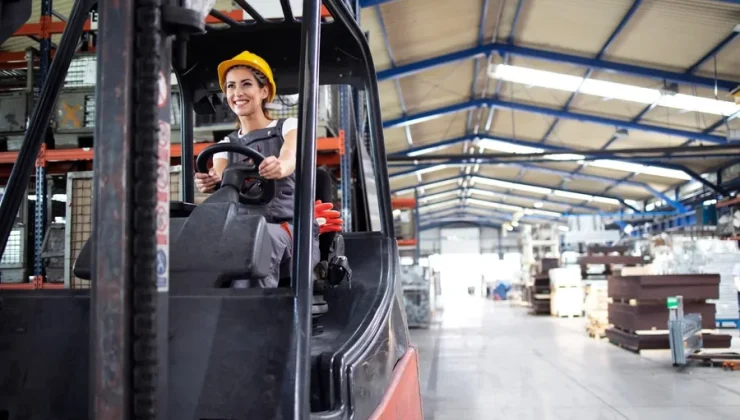
Moving heavy industrial machinery can seem like a huge task, but with the right approach, disruption can be kept to a minimum. Professional movers focus on smart planning before anything else. They look at your factory’s layout and your production schedule. This helps them figure out the best time to move things, often during off-peak hours or scheduled maintenance periods. This careful planning is key to reducing operational impact. They work to fit the move into your existing workflow, not the other way around.
This means less time your machines are offline. It’s about being smart with timing. They consider how long each step will take, from disconnecting to reconnecting. This foresight prevents unexpected delays that can halt production. The goal is always to get your operations back up and running as quickly as possible.
Expertise in Specialized Techniques and Equipment
Industrial machinery isn’t like moving furniture. It’s heavy, often delicate, and requires specific methods. Professional machinery moving services bring a toolbox full of specialized techniques and equipment. Think hydraulic lifts, precision rigging, and even air-float systems for moving massive items through tight spots. These aren’t your everyday tools; they are designed for the unique challenges of heavy equipment.
These techniques allow movers to lift and position machinery with incredible accuracy. This reduces the risk of damage to both the equipment and your facility. Using the right specialized techniques means the move is not only safer but also much more efficient. It’s about knowing the best way to handle each specific piece of machinery.
Efficient Execution for Reduced Downtime
Once the planning is done and the right equipment is on-site, the actual move needs to be executed smoothly. Professional movers are trained to work quickly and safely. They have teams that know their roles and work together like a well-oiled machine. This coordination is what leads to reduced downtime.
They focus on getting the job done right the first time. This avoids the need for rework, which would only add to the time your machines are out of commission. Their efficiency means your production lines can start up again sooner. This is the direct benefit of hiring professionals for your machinery moving needs.
Professional machinery moving services are designed to keep your business running. Their focus on planning, specialized methods, and efficient execution directly translates to less time your equipment is offline. This allows your business to maintain productivity and avoid costly delays.
Overcoming Common Challenges with Expert Machinery Movers
Moving industrial machinery presents unique hurdles. These aren’t your average household items; we’re talking about massive, heavy pieces of equipment that require special handling. Professional machinery movers are adept at tackling these issues head-on, making the process smoother and less disruptive for your business.
Addressing the Size and Weight of Industrial Equipment
The sheer size and weight of industrial machinery pose a significant challenge. Machines can weigh many tons and span several meters, making them difficult to lift, load, and transport. Standard moving equipment won’t cut it. Expert movers use specialized tools like heavy-duty cranes, powerful forklifts, and hydraulic jacks to safely manage these colossal items. That’s why industrial machinery moving services are typically built around an engineered lift plan and a site assessment, factoring in things like doorways, floor conditions, and overhead clearance before the move begins. This specialized equipment is key to overcoming the physical limitations presented by large machinery, preventing damage and ensuring a secure move.
Navigating Long-Distance Transportation Complexities
Transporting heavy machinery over long distances, whether across the country or internationally, adds layers of complexity. This involves intricate logistics, including route planning, securing necessary permits, and selecting the right transport methods – be it by road, rail, sea, or air. Professional machinery movers have the experience to manage these details. They understand the regulations and requirements for different transport modes, minimizing the risk of delays or complications during transit. Their planning accounts for potential issues, keeping your equipment on schedule.
Mitigating Safety Risks During Machinery Relocation
Safety is paramount when moving heavy industrial equipment. The potential for accidents, injuries, or damage to the machinery or facility is high if not handled correctly. Professional movers implement strict safety protocols. This includes proper securing of the load, using personal protective equipment, and having trained personnel oversee every step. They conduct thorough risk assessments to identify potential hazards and develop strategies to mitigate them. This focus on safety protects your investment and your people, making the entire machinery moving process far more secure.
The Critical Role of Project Management in Machinery Moves
Orchestrating Complex Logistics and Timelines
Moving heavy industrial machinery isn’t like moving a few boxes. It’s a complex operation that needs a sharp mind at the helm. A good project manager acts as the central point, making sure every piece of the puzzle fits. They map out the entire journey, from the moment a machine is tagged for relocation to when it’s powered up in its new spot. This involves detailed scheduling, figuring out the best routes, and coordinating with everyone involved. Effective project management is key to keeping things on track and avoiding costly delays.
This careful planning helps identify potential issues before they become big problems. The project manager looks at the size and weight of each machine, the access points at both locations, and the transportation methods needed. They create a timeline that accounts for every step, including disassembly, transport, and reassembly. This structured approach to project management is what separates a smooth move from a chaotic one.
Without this oversight, moves can quickly spiral out of control. Missed deadlines, damaged equipment, and safety hazards are all more likely. A dedicated project manager ensures that the project management process is robust, covering all bases and minimizing surprises. They are the ones who make sure the move happens efficiently and safely.
Ensuring Coordinated Efforts Across All Teams
Industrial moves involve many different groups: the company’s own staff, the moving crew, riggers, transport companies, and sometimes even local authorities. A project manager’s job is to get all these teams working together like a well-oiled machine. They act as the main point of contact, making sure everyone knows what they need to do and when.
This coordination prevents confusion and overlap. For example, the riggers need to know exactly when the transport truck will arrive, and the company’s maintenance team needs to be ready for reassembly. The project manager ensures these schedules align perfectly. They also oversee safety protocols, making sure everyone follows the rules.
Clear communication is vital here. The project manager establishes how teams will talk to each other, whether it’s through regular meetings, shared documents, or specific communication channels. This keeps everyone informed and working towards the same goal: a successful and safe machinery move.
Managing Stakeholder Communication and Expectations
When a big machinery move is planned, many people have a stake in it. This includes company executives, department heads, employees whose work might be affected, and the moving company itself. The project manager is responsible for keeping everyone in the loop and managing their expectations.
This means providing regular updates on the progress of the move, explaining any changes to the schedule, and addressing concerns promptly. It’s about being transparent and honest about what’s happening. Setting realistic expectations from the start is crucial for a smooth process.
Good communication helps build trust and cooperation. When stakeholders feel informed and heard, they are more likely to be supportive of the move. The project manager ensures that all parties understand the plan, the potential impacts, and the timeline. This proactive approach to communication prevents misunderstandings and helps resolve issues before they escalate, making the entire project management effort more effective.
Ensuring Safety and Efficiency with Professional Rigging
Implementing Strict Safety Protocols and Equipment Securing
When it comes to moving heavy industrial equipment, safety isn’t just a suggestion; it’s the absolute foundation. Professional rigging teams live by strict safety protocols. They know that rigging is a precise science where one small mistake can cause big problems. This means every piece of gear, from the smallest sling to the largest crane, is checked and double-checked. Loads are secured with extreme care, using the right straps and braces to prevent any movement during transit. This attention to detail is what keeps both the machinery and the people around it safe.
The most common misuse of rigging is using the wrong type of equipment or overloading gear beyond its rated capacity. This often leads to accidents, equipment failure, or dropped loads. Professional riggers avoid this by always verifying load weights and matching them precisely with their equipment’s capacity. They also maintain clear communication channels throughout the entire process, using hand signals or radios to coordinate every move. This structured approach minimizes risks and keeps the operation running smoothly.
Rigging teams don’t work in isolation—they collaborate closely with other crews involved in the move. Good communication prevents missteps and helps everyone stay aligned on the timeline and safety needs.
Utilizing Specialized Lifting and Transport Systems
Industrial machinery isn’t one-size-fits-all, and neither are the tools used to move it. Professional rigging services bring a specialized toolkit to every job. This includes heavy-duty lifting equipment like hoists, forklifts, and gantries, all designed to handle massive weights without tipping or causing damage. They also use custom rigging gear, such as specific slings, chains, and hooks, matched perfectly to each machine’s unique size and shape for optimal balance and control.
For moving equipment across floors or onto trailers, they employ transport-ready platforms like moving skates, rollers, and hydraulic dollies. These tools are crucial for smooth transitions, especially in tight spaces or when dealing with sensitive flooring. The right equipment, combined with skilled operators, means that even the most awkward or heavy items can be moved safely and efficiently, reducing the chances of costly mistakes or delays.
Fostering Open Communication for a Secure Move
Effective communication is the backbone of any successful and secure machinery move. Professional rigging crews prioritize clear, consistent dialogue among all parties involved. This starts with pre-job safety briefings where everyone, from riggers to site managers, understands the plan, potential hazards, and their specific roles. Throughout the move, communication channels remain open, allowing for real-time updates and quick problem-solving.
This open communication extends to coordinating with other contractors on-site, such as electricians or installation teams. By maintaining a unified front and clear lines of communication, potential conflicts or delays are identified and addressed proactively. If unexpected issues arise, like a sudden equipment malfunction or an unforeseen site obstruction, the team can quickly diagnose the problem and implement a safe, effective solution without compromising the schedule or safety standards. This collaborative approach is key to a secure and efficient move.
The Advantages of Hiring Professional Machinery Moving Services
Access to Specialized Knowledge and Advanced Equipment
When it comes to moving industrial equipment, it’s not like moving your couch. These machines are often massive, intricate, and incredibly sensitive. Professional machinery moving services bring a level of know-how that internal teams typically lack. They understand the physics involved, the best ways to secure different types of loads, and how to anticipate problems before they even happen. This specialized knowledge is paired with access to a fleet of advanced equipment – think specialized cranes, heavy-duty dollies, and custom-built transport vehicles. This isn’t gear you’ll find lying around; it’s purpose-built for the job, making the entire process safer and more efficient.
Reducing Risk of Damage and Costly Mistakes
Let’s be honest, trying to move heavy machinery without the right experience or tools is a recipe for disaster. The potential for damage to both the equipment and the facility is sky-high. A single misstep can lead to dents, broken components, or even structural damage, resulting in significant repair costs and extended downtime. Professional machinery movers have a proven track record of handling these complex moves without incident. Their meticulous planning and execution minimize the chances of accidents, protecting your valuable assets and preventing unexpected expenses that can derail your budget. Hiring professionals is an investment in preventing costly errors.
Allowing Internal Staff to Focus on Core Operations
Moving heavy machinery can be a huge undertaking, demanding a significant amount of time and resources from your internal team. When your engineers and maintenance staff are preoccupied with the logistics of a move, they’re not doing what they do best – keeping your production running. Outsourcing this task to professional machinery moving services frees up your employees to concentrate on their primary responsibilities. This division of labor ensures that your core business operations continue with minimal interruption, maintaining productivity and profitability throughout the relocation process. It’s a smart way to manage resources effectively.
Proactive Planning and Preparation for Machinery Relocation
Conducting Thorough Site Assessments and Logistics Planning
Before any heavy equipment starts moving, a deep dive into both the current and future sites is a must. This isn’t just a quick walk-through; it’s about understanding every detail. Think about floor load capacities, access points for large machines, and any utility hookups needed. A detailed site assessment helps spot potential problems early, like narrow doorways or weak floors, before they cause delays. This groundwork is key for effective machinery moving.
Logistics planning goes hand-in-hand with site assessment. It involves mapping out the entire journey for each piece of equipment. This includes figuring out the best routes, the right transport vehicles, and the specific tools needed for lifting and securing. Proper planning means less guesswork on moving day and a smoother transition overall. It’s about having a clear roadmap for the entire relocation process.
A well-executed site assessment and logistics plan can prevent costly surprises and keep your operations running.
Identifying and Utilizing Potential Downtime Windows
Every industrial operation has periods of lower activity. Identifying these downtime windows is crucial for minimizing disruption. This might mean scheduling moves during weekends, holidays, or planned maintenance shutdowns. The goal is to move equipment when it impacts production the least.
Working with professional machinery movers allows for precise scheduling within these windows. They can often perform complex moves quickly, fitting them into shorter periods than you might think possible. This strategic timing is a big part of reducing overall downtime. It requires coordination between your operations team and the moving specialists.
- Assess production schedules for low-activity periods.
- Coordinate with movers to align with identified windows.
- Prioritize moves of critical equipment during these times.
Developing Contingency Plans for Unexpected Issues
Even with the best planning, things can go wrong. That’s where contingency plans come in. What happens if a key piece of equipment breaks down during the move? Or if there’s unexpected weather that halts transport? Having backup plans ready is vital.
These plans should outline alternative solutions, such as backup transport options or temporary storage solutions. They might also include contact information for emergency services or specialized repair technicians. A good contingency plan acts as a safety net, helping to quickly resolve issues and get the machinery moving again with minimal delay.
- Identify potential risks (e.g., equipment failure, transport delays).
- Develop specific mitigation strategies for each risk.
- Assign responsibilities for executing contingency plans.
Wrapping Up Your Machinery Move
Moving heavy industrial equipment is a big job, no doubt about it. It can cause a lot of headaches and, more importantly, lead to costly downtime if not handled right. But here’s the thing: it doesn’t have to be a disaster. By bringing in the pros who know their way around rigging, lifting, and transporting these massive machines, you’re really setting yourself up for success. They’ve got the tools, the know-how, and the plans to get your equipment where it needs to go with minimal interruption to your business. So, when it’s time to move, thinking about professional services isn’t just about convenience; it’s a smart move to keep your operations running smoothly and your bottom line healthy.