Guide to Choosing Sustainable Building Materials for Modern Homes
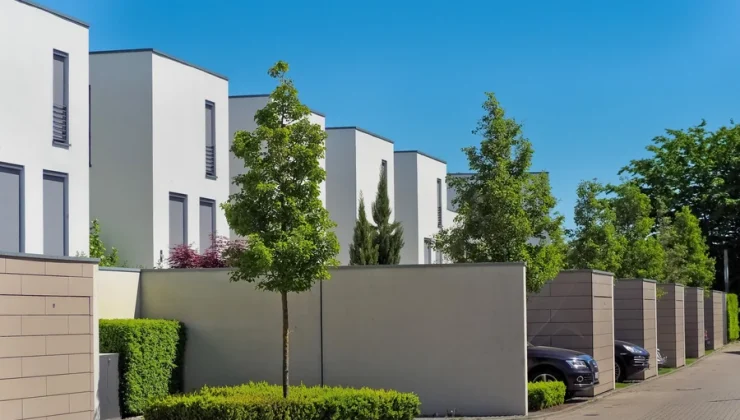
Building a home today means thinking about the future. Using sustainable building materials helps protect the planet and saves money over time. These materials are safe, strong, and kind to the environment.
From recycled wood to natural stone, each choice makes a big impact. In this guide, you’ll learn how to pick the right options for your home. Build a space that’s modern, healthy, and lasting for years to come.
Choose Locally Sourced Materials
Locally sourced materials reduce transportation costs and pollution. They support nearby businesses and lower your home’s carbon footprint. Using local products also ensures your materials are suited to your area’s weather.
When you buy nearby, you get better quality control. You can also visit suppliers easily to check the durability of products. This helps ensure your home is built with care and precision.
Local materials also blend well with the surroundings. They help your home look natural and connected to its environment. Choosing local options is a simple but powerful step toward sustainability.
Incorporating sustainable building materials into your home design not only benefits the environment but also enhances the aesthetic appeal of your living space. For those looking to expand their homes with unique structures, exploring custom carriage house garage ideas can offer a blend of functionality and style. These designs can be tailored to complement the main house while utilizing eco-friendly materials such as reclaimed wood or recycled steel. By integrating these sustainable options, homeowners can create additional living or storage space that aligns with modern environmental standards, ensuring both practicality and sustainability in their home improvement projects.
Look for Recycled or Reclaimed Options
Recycled or reclaimed materials are great for the planet. They give new life to old products and reduce waste. You can use recycled wood, metal, or glass for many home features.
These materials add character to your home. They often come with unique textures and designs that make your space stand out. Plus, they’re often more affordable than new products.
Reclaimed options help reduce the need for new raw materials. That means less energy is used in production. It’s an easy and smart choice for eco-conscious builders.
Prioritize Energy-Efficient Materials
Energy-efficient materials can help cut your power bills. They keep your home warm in winter and cool in summer. This helps your house use less energy and stay comfortable year-round.
Insulated walls, windows, and roofs are great examples. These materials help control temperature without relying too much on heating or cooling systems. Over time, this saves money and energy.
Using energy-efficient materials also supports eco-friendly construction. You’re not just saving on energy-you’re helping protect the environment. It’s a win for both comfort and conservation.
Pick Durable and Long-Lasting Products
Durable materials last longer and require less repair. This means fewer replacements, saving money and resources over time. Longevity is key when building a sustainable home.
Strong materials like brick, stone, or metal are great for modern homes. They stand up to weather and wear. Plus, they keep your house safe and sturdy for decades.
Durable options also reduce waste. When materials last longer, there’s less to throw away. It’s a simple way to build smarter and cleaner.
Select Non-Toxic and Safe Finishes
Many paints, sealants, and adhesives contain harmful chemicals that can pollute indoor air and affect your health. Choose non-toxic and low-VOC finishes to keep your home safe.
Low-VOC means fewer volatile organic compounds are released into the air. This helps you breathe cleaner air and enjoy a healthier living space. It’s especially important for homes with children or pets.
Safe finishes also last longer and maintain their look. They prevent damage and peeling caused by harsh chemicals. This small change makes a big difference in comfort and well-being.
Consider Recycled Insulation
Insulation made from recycled materials is both effective and environmentally friendly. Recycled insulation can come from denim, paper, or even recycled plastic. This type of insulation helps maintain temperature and lower energy costs.
Recycled insulation is also safer to handle than fiberglass. It’s soft, non-toxic, and good for indoor air quality. Plus, it’s easy to install and maintain.
By using recycled insulation, you support green building design. It’s a practical step that improves comfort and cuts energy use. You get warmth, safety, and savings in one simple choice.
Use Sustainable Roofing Materials
Your roof protects your home and plays a key role in sustainability. Choose roofing materials that last long and resist damage from the weather. Metal, clay, and recycled shingles are all great options.
A good roof reduces heat absorption, keeping your home cooler. It can also be fitted with solar panels for added efficiency. This lowers energy use and supports cleaner living.
Sustainable roofs need less repair and last for years. They reduce waste and add to your home’s green appeal. Always pick quality when it comes to your roof.
Incorporate Natural and Renewable Resources
Natural materials, such as bamboo, cork, and straw, are renewable and easy to grow. They have a low environmental impact and can be reused. Using them makes your home both beautiful and sustainable.
Bamboo flooring, for example, is strong and stylish. Cork is great for insulation and soundproofing. These options help you stay close to nature while keeping your space modern.
Renewable materials help preserve forests and reduce emissions. They fit well into any modern home building plan. Simple, natural, and durable-they’re perfect for sustainable design.
Explore Brick and Stone Options
Brick and stone are classic choices that never go out of style. They are durable, natural, and energy-efficient. You can also check out these brick slips for a sustainable and stylish finish.
Brick slips mimic real brick walls but use less material. They are easy to install and maintain. This makes them a cost-effective and green solution.
Stone and brick also help with temperature control. They keep homes cool in the heat and warm during cold months. Strong, timeless, and sustainable; they’re ideal for modern homes.
Compare Costs and Lifespan
Sustainability doesn’t always mean high cost. It’s about long-term value and savings. Comparing prices and lifespan helps you make the best decision for your budget.
Cheaper materials might need frequent repairs. This leads to more waste and higher costs later. Quality sustainable products save you money in the long run.
When comparing, think about energy use, strength, and maintenance. A slightly higher upfront cost can mean years of comfort and savings. Build for the future, not just today.
Build Stronger and Smarter with Sustainable Building Materials
Building a modern home means making smart, eco-friendly choices. Selecting environmentally friendly materials helps reduce waste, save energy, and protect nature. Each decision brings you closer to a cleaner and healthier lifestyle.
From roofing to flooring, every material counts. Whether it’s recycled wood, durable brick, or green insulation, these small steps add up. Your home becomes stronger, safer, and more efficient. Sustainable homes show care for both people and the planet.
Did you find this article helpful? Check out the rest of our site for more great content!