Common Mistakes Homeowners Make During Renovations
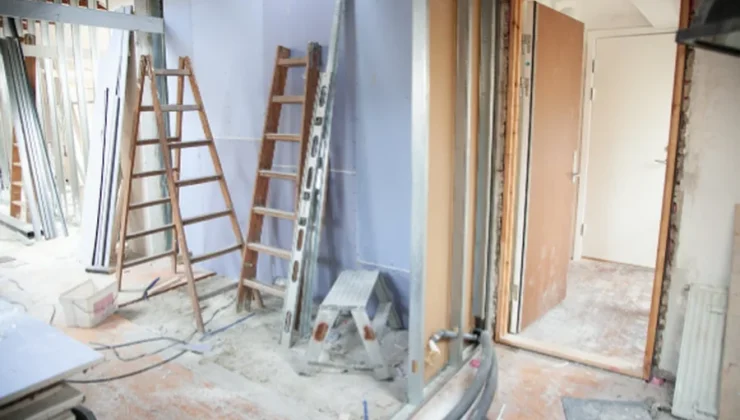
Ever notice how everyone in Florida thinks they can knock down a wall the minute the weather drops below 85? Whether it’s the humidity or the HGTV effect, renovation fever spreads fast in the Sunshine State. But while upgrading your home sounds easy in theory, the reality hits differently—usually right after you’ve ripped something out you can’t put back. In this blog, we will share the most common mistakes homeowners make during renovations and how to avoid them before your project turns into a cautionary tale.
Skipping the Dirty Work (Literally and Figuratively)
Renovation plans usually start with an idea—open up the kitchen, redo the bathroom, maybe convert that unused garage into something worthy of a Pinterest board. But excitement has a way of making people skip the less glamorous steps. Dust, debris, and old materials are part of the job, yet few homeowners stop to think about what they’re disturbing.
If you’re renovating an older home, there’s a good chance the work will stir up more than drywall. Dirt in the vents, allergens tucked away behind registers, and fine particles from sanding or sawing can spread fast. If you’re renovating an older home, there’s a good chance the work will stir up more than drywall. Dirt in the vents, allergens tucked away behind registers, and fine particles from sanding or sawing can spread fast. In these cases, duct cleaning in Lake City, FL can be expertly handled by local professionals who understand how to remove hidden debris without damaging your system. If you’re tearing down walls or remodeling large areas, the dust will travel whether you notice or not. Clean ducts don’t just improve air quality; they keep HVAC systems from pulling that mess through your entire house. Clean ducts don’t just improve air quality; they keep HVAC systems from pulling that mess through your entire house. And when you’re already dealing with cost overruns and timeline delays, the last thing you need is to get sick from air that feels like you’re living inside a renovation zone.
Budgeting for the Dream, Not the Reality
There’s a reason every home improvement show includes the moment when the host turns to the camera with a furrowed brow and says, “We’ve run into a bit of a problem.” Spoiler alert: that moment is not fiction. It’s the closest thing to a universal truth in renovation.
Homeowners often underestimate what it costs to do things right. And not just the big-ticket items—permits, structural fixes, last-minute changes, and material shortages all sneak into your budget when you least expect them. It’s not that people don’t plan. It’s that they plan assuming everything goes right. But things rarely do.
The better approach is to treat your budget like a suggestion with a built-in buffer. Add 15 to 20 percent for contingencies. If you don’t spend it, great. If you do, you won’t panic when your contractor finds water damage behind the kitchen wall or the city inspector decides your electrical work isn’t up to code.
Overestimating DIY Skills
Online tutorials are convincing. Watch a ten-minute video and suddenly installing tile looks easier than boiling pasta. But those videos are edited, rehearsed, and usually filmed by professionals with all the tools already on hand.
Most renovation mistakes start with someone deciding to “just do it themselves.” Sometimes it works. Other times, you end up with uneven floors, leaky plumbing, or cabinets that open directly into each other. DIY isn’t bad in itself. The mistake is failing to recognize your limits.
Hiring a pro can seem expensive until you factor in the cost of redoing work done wrong. And time counts, too. Taking two weeks off work to learn how to do something you could have paid someone to finish in two days is not always a win. Know where your skills end, and don’t be afraid to bring in help when the stakes are high.
Failing to Get Everything in Writing
Verbal agreements and handshakes belong in a different decade. Renovations need contracts—clear, detailed, written agreements that outline every aspect of the job.
That includes costs, timelines, materials, labor, and even what happens if someone quits mid-project or if the weather delays work. Without that clarity, even well-intentioned contractors and homeowners end up in disputes.
Communication gaps lead to bad assumptions. You might think tile installation includes sealing. Your contractor might assume you’ll handle that separately. Suddenly, you’re looking at a half-finished job and an argument about responsibility. Avoid it entirely by spelling out the scope in advance, and revisiting it before any changes are made.
Another common oversight during home renovations is neglecting to plan for future technological needs, such as electric car charging stations. As electric vehicles become more prevalent, ensuring your home is equipped to handle this technology is crucial. Installing an electric car charger can be a complex task that requires professional expertise to ensure safety and efficiency. To avoid potential pitfalls and ensure a seamless integration into your home, it’s wise to schedule your installation today with a qualified professional. This proactive step not only enhances your home’s functionality but also adds to its long-term value, making it a smart investment for the future.
Ignoring Permits and Inspections
Skipping permits might seem harmless when it’s just a deck or a wall removal, but it’s a mistake that can come back hard. Unpermitted work can delay a home sale, lead to fines, and even force you to tear something down if it’s not up to code.
Even beyond the paperwork, inspections exist for a reason. They’re there to catch problems before they become disasters. You don’t want to find out your new wiring is faulty because a fire broke out three months later.
Yes, the process can be slow. Yes, inspectors can be picky. But a short delay now is nothing compared to the cost of correcting non-compliant work down the line. If you’re hiring a contractor, they should handle the permit process. If they won’t—or act like it’s not necessary—find someone else.
Trusting the Process Without Monitoring It
Renovations involve trust. But that doesn’t mean you disappear and come back when it’s over. Even with a great contractor, regular check-ins matter.
Mistakes happen. Orders get mixed up. Colors look different in real life than they did in your head. The earlier you catch an issue, the easier it is to fix. Walking the job site, asking questions, and staying in the loop aren’t signs of micromanagement. They’re how you protect your investment.
Contractors appreciate clients who stay engaged but realistic. Be available for decisions. Be flexible with changes. But also be clear about expectations. Renovations aren’t just about construction—they’re about communication, too.
Renovating a home should feel exciting, not exhausting. And it can be, with the right planning, the right team, and the right mindset. Most of the mistakes homeowners make aren’t about the work itself. They’re about assumptions, shortcuts, and lack of preparation. Get those parts right, and the rest starts to fall into place. Even if it takes a little dust and a few delays to get there.