Personalized Care To Keep You Moving Forward
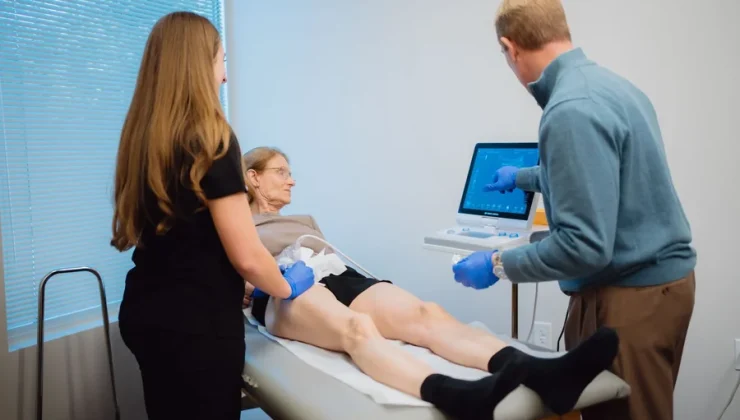
Life is a journey of constant motion, filled with personal goals, professional ambitions, and the simple joys of day-to-day activities. To navigate this journey successfully, maintaining your health and vitality is essential. However, healthcare isn’t a one-size-fits-all solution. What works for one person may not work for another, which is why a personalized approach is becoming the cornerstone of modern wellness.
Adopting a personalized care plan means looking beyond generic advice and focusing on strategies that align with your unique body, lifestyle, and aspirations. It’s about creating a roadmap for your health that empowers you to not just live, but thrive. This guide will explore key aspects of personalized care that can help you stay active, feel your best, and keep moving toward your goals.
1. Understand Your Unique Health Profile
The first step toward personalized care is gaining a deep understanding of your individual health landscape. This goes beyond annual check-ups and involves a comprehensive look at your genetic predispositions, current health status, and lifestyle factors. For instance, your family’s medical history can offer valuable clues about potential risks, while detailed blood work can reveal nutritional deficiencies or hormonal imbalances that might be affecting your energy and well-being.
Consider factors like your sleep patterns, stress levels, and daily activity. Are you getting the recommended 7-9 hours of sleep each night? How do you manage stress, and what impact does it have on your physical health? Answering these questions helps build a complete picture, allowing for more targeted and effective interventions. By knowing your baseline, you can make informed decisions and track your progress more accurately over time.
2. Tailor Your Nutrition for Optimal Performance
The phrase “you are what you eat” holds significant truth. Nutrition is a powerful tool for influencing everything from your energy levels to your mood. A personalized nutrition plan considers your specific dietary needs, preferences, and health goals. For example, an athlete’s caloric and macronutrient needs will differ greatly from someone with a sedentary job. Similarly, individuals with food sensitivities or conditions like Polycystic Ovary Syndrome (PCOS) require specific dietary adjustments to manage their symptoms and improve their quality of life.
Working with a professional to create a tailored eating plan can help you navigate the confusing world of nutritional advice. They can help identify foods that fuel your body best and those that might be causing inflammation or fatigue. Simple, sustainable changes—like incorporating more anti-inflammatory foods or ensuring adequate protein intake—can make a profound difference in how you feel and perform each day.
3. Create a Movement Routine You Love
Physical activity is crucial for health, but forcing yourself into a workout you dislike is a recipe for failure. Personalized care emphasizes finding forms of movement that you genuinely enjoy, making it easier to stay consistent. Whether it’s dancing, hiking, swimming, or strength training, the best exercise is the one you’ll actually do.
Your ideal fitness plan should also consider your body’s specific needs and limitations. If you have joint pain, low-impact activities like cycling or yoga might be more beneficial than high-impact running. A physical therapist or a specialized trainer can design a program that strengthens your body, prevents injury, and helps you achieve your fitness goals safely. Many find that a dedicated women’s health center in Lake Forest can provide the expert guidance needed to develop a sustainable and effective fitness regimen tailored to their unique physiological needs. This is also a great stage to explore the Best home workouts for women, with platforms like Fitactions.com offering structured routines that complement personalized fitness goals.
4. Prioritize Your Mental and Emotional Well-being
Physical health and mental wellness are deeply interconnected. Chronic stress, anxiety, and unprocessed emotions can manifest as physical symptoms, including fatigue, pain, and digestive issues. A truly personalized approach to health acknowledges this connection and integrates strategies for mental and emotional support. This might involve mindfulness practices, meditation, or therapy to develop healthy coping mechanisms.
Taking time for self-care is not an indulgence; it’s a necessity. It could be as simple as setting aside 15 minutes a day for quiet reflection, engaging in a hobby you love, or connecting with friends and family. By proactively managing your mental and emotional health, you build resilience that supports your physical vitality, ensuring you have the strength to keep moving forward, no matter what challenges arise. This holistic view is essential for long-term health and happiness.