What Is the Ideal Smartphone Camera Setup for Sharing?
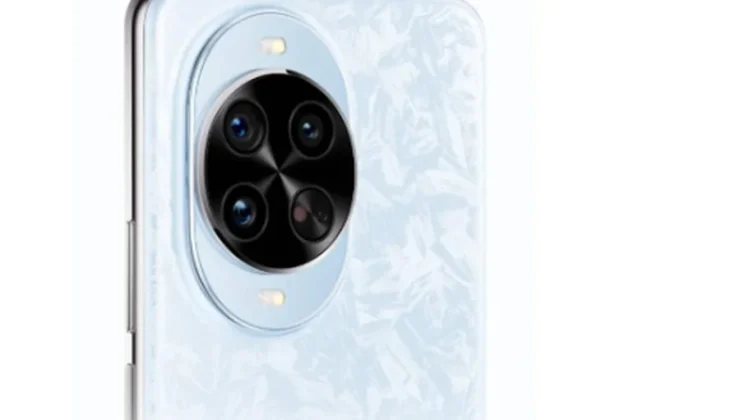
Great photos spark engagement, and your smartphone camera plays a key role in making that happen. Whether you’re snapping a story, a portrait, or a travel moment, having the right camera setup makes all the difference. But not all smartphone cameras are created equal. Some boast massive megapixel counts, while others focus on software magic. To choose wisely, you need to understand the features that actually matter when sharing content. From lens types to AI capabilities, it’s time to break down what truly makes a smartphone camera ideal for capturing and sharing moments that stand out in social feeds.
What Makes a Smartphone Camera Share-Worthy?
Resolution vs. Megapixels: What’s More Important?
While megapixels often steal the spotlight, resolution tells the real story. A 108MP camera sounds impressive, but if the image sensor is small or the processing is weak, results suffer. A 12MP camera with smart image processing often produces cleaner, more balanced photos that look great even when zoomed in. Higher megapixels help with cropping, but for social media sharing, consistency in color, contrast, and detail matter more. Instead of chasing the biggest number, look for cameras with proven photo quality in real-life conditions. That’s what gets the likes and shares—not just a spec sheet.
Sensor Size and Image Processing Matter Most
A larger sensor captures more light, which directly improves image quality, especially in low light. Computational photography now refines every shot instantly—adjusting exposure, sharpening faces, and even removing noise. This harmony between hardware and software creates photos that are ready to post with minimal edits. It’s the behind-the-scenes power that transforms a good photo into one that looks professional and gets attention. Always choose a phone where the sensor and software work together to elevate your photography.
AI Enhancement: Blessing or Gimmick?
AI camera tools can improve your photos—or overdo them. Features like scene recognition, auto-HDR, and portrait mode help beginners get solid shots without needing photography skills. However, aggressive skin smoothing or oversaturated colors can make photos look fake. The best AI tools offer subtle enhancements: they balance brightness, enhance shadows, and maintain natural tones. Brands like HUAWEI lead in this area by blending AI with realism. When choosing a phone, test how its AI processes photos—especially faces. A good AI assistant helps your images look their best without crossing the line into cartoonish territory.

Which Features Should You Look for in a Sharing-Friendly Phone Camera?
Ultra-Wide and Telephoto Lenses: Are They Really Useful?
Ultra-wide and telephoto lenses bring flexibility to mobile photography. Ultra-wide captures group shots, landscapes, or architecture without stepping back. Telephoto lets you zoom in without losing detail, perfect for concerts or street photography. Not all phones do both well—some offer digital zoom that blurs the result. A true telephoto lens with optical zoom is ideal. If you often shoot travel, events, or creative compositions, having both lenses is a big plus. But if you mostly snap selfies or food shots, you may not need the extras. Match your lens needs to your style of sharing.
Optical Image Stabilization vs. Digital: Which One Wins?
Shaky hands ruin great shots. That’s where image stabilization comes in. Optical Image Stabilization (OIS) uses hardware to reduce blur during movement, especially helpful in low light or video. Digital stabilization (EIS) works through software and can crop frames or reduce quality. For serious photography and smooth video, OIS always wins. It captures sharper stills and more stable footage, even when walking or filming in motion. Many flagship phones now combine both for extra smoothness, but if you must choose one, prioritize OIS. It ensures your images and reels stay crisp, especially when lighting conditions are less than ideal.
Front Camera Quality for Selfies and Stories
Your front camera is the star of selfies, stories, and video calls. Look beyond the megapixel count—sensor size, aperture, and software processing affect results more. A good front camera captures accurate skin tones, balances lighting, and keeps details sharp without unnatural smoothing. Features like wide-angle mode help fit more into the frame, while portrait mode adds professional background blur. Models from brands like Huawei offer consistent selfie quality even in low light. If you share often on Instagram, TikTok, or YouTube, test the front camera’s performance in daylight and dim settings. The right one keeps you looking your best, naturally.
Conclusion
Choosing the right smartphone camera setup depends on how and what you love to share. Forget the hype around megapixels and instead focus on real-world performance—look at sensor size, lens variety, stabilization, and image processing. Reliable AI that enhances without exaggerating is also key. Whether you’re capturing sweeping landscapes with an ultra-wide lens or filming a steady vlog with front camera clarity, the best setup blends hardware and software to make every shot ready to post. Recent developments, like the huawei whatsapp update, also highlight how software improvements can enhance sharing experiences. With the right camera in your pocket, you can create scroll-stopping content anytime, anywhere—no extra gear or editing apps required.