Why Bed Bugs Keep Coming Back (And How To Stop Them)
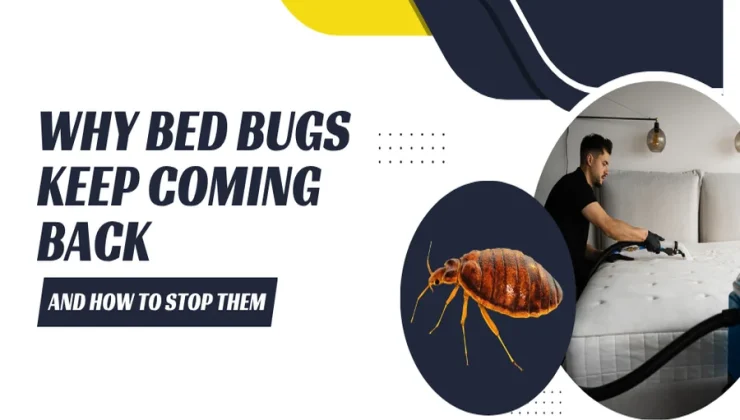
You treated your home for bed bugs, and it seemed like peace had returned for a moment. But the itching starts again just a few weeks later, and the bites are back. If you’re wondering, “Do bed bugs come back after treatment?” you’re not alone. Recurring infestations are more common than most people realize, and understanding why they happen is the first step to stopping them for good.
Why Bed Bugs Return After Treatment
Missed Eggs During DIY or Chemical Sprays
One of the biggest culprits in recurring bed bug infestations is incomplete extermination. Many DIY sprays or even professional chemical treatments don’t reach hidden egg clusters. Since bed bug eggs are resistant to many treatments and can hatch up to 10 days later, missing even a few can reignite the problem.
Reintroduction from Travel or Guests
You could do everything right and still reintroduce bed bugs unintentionally. Hotels, rideshares, public transit, or even guests who unknowingly carry bugs on their belongings can cause a fresh infestation. Without a long-term bed bug prevention plan, your home remains vulnerable.
Hidden Hotspots That Get Overlooked
Wall Voids and Outlets
Bed bugs are masters of hiding. Even if your mattress and furniture were treated, they might still be hiding in wall voids, electrical outlets, and baseboards. If these areas aren’t properly inspected and treated, they serve as a perfect retreat—and launchpad for a comeback. Many homeowners don’t realize what they’re looking for and often ask what does a bed bug nest look like, which makes these hidden hotspots even easier to miss during treatment.
Electronics, Books, and Furniture Seams
Your home’s clutter and soft surfaces can be a sanctuary for lingering bed bugs. Laptops, alarm clocks, books, and even remote controls can harbor pests. So can the deep seams of upholstered chairs, sofas, and bed frames. These spots often go untreated in standard spray jobs.
For those living in areas prone to infestations, professional help can be a game-changer. In regions like Lake Tahoe, where the climate can exacerbate pest problems, seeking expert assistance is crucial. Engaging with local services such as Lake Tahoe Pest Control can provide tailored solutions that address the unique challenges of the area. Their expertise not only helps in eradicating existing infestations but also in implementing preventive measures to keep these persistent pests at bay. By combining professional intervention with diligent home practices, you can create a robust defense against the relentless return of bed bugs, ensuring a more comfortable and pest-free living environment.
How to Stop Recurring Bed Bug Infestations
Use of Heat for Full Penetration
Heat treatment remains one of the most effective ways to eliminate bed bugs at all life stages, including eggs. By raising temperatures to lethal levels, heat penetrates deep into wall voids, furniture, and electronics where chemicals can’t reach. A properly executed heat treatment drastically reduces the chances of bugs surviving.
Preventative Follow-Up Inspections
Even after a successful treatment, follow-up is critical. A licensed pest control company should perform at least one follow-up inspection within 2 to 3 weeks. These checks help confirm that all bugs are gone and identify any lingering signs before a full-blown recurrence.
What a Bed Bug Prevention Plan Looks Like
Quarterly Monitoring
Bed bug prevention isn’t a one-and-done solution. Smart homeowners invest in quarterly monitoring services. These plans include regular inspections, early detection devices, and quick interventions before things get out of control. Early detection makes treatment faster, easier, and cheaper.
Mattress Encasement and Travel Protocols
Use mattress and box spring encasements that are specifically labeled bed bug-proof. These prevent bugs from entering or exiting your bedding area. Additionally, adopt travel hygiene protocols: inspect hotel beds, use hard-sided luggage, and heat-treat belongings upon return.
When to Get a Second Treatment
How to Know It’s Not Just Paranoia
It’s natural to feel anxious after a bed bug treatment—especially if you’ve been through a severe infestation. But paranoia isn’t always unfounded. Live bites, blood stains, fecal spots, or actual bug sightings are valid reasons to call your exterminator again. Don’t wait too long—bed bugs multiply quickly.
Timeframes and Detection
If you notice any signs of activity within 30 days of a professional treatment, it’s possible some bugs survived or re-entered the environment. Pest control companies often recommend a follow-up within this window for maximum effectiveness. Ongoing detection methods like interceptor traps can also help confirm activity levels.
How to Stay Vigilant Year-Round
Even after successful treatment and follow-up, maintaining a clean and bed bug-free home requires year-round awareness. This means staying cautious when bringing in secondhand furniture, inspecting guest sleeping areas regularly, and being mindful after travel. Education is a primary defense—train your family or staff on what signs to look for and how to act quickly. The sooner you catch potential activity, the easier it is to control.
Final Thoughts
So, do bed bugs come back after treatment? Unfortunately, they can—but they don’t have to. Most repeat infestations are preventable with the right treatment, thorough inspections, and a consistent prevention strategy. The key is not just reacting to infestations, but actively guarding against them.
If you’re struggling with recurring bed bugs, don’t just repeat the same process. Upgrade to a plan that ensures they’re gone for good—and stay gone.