5 Strong Indicators That Your Roof May Need Replacement After A Hail Storm
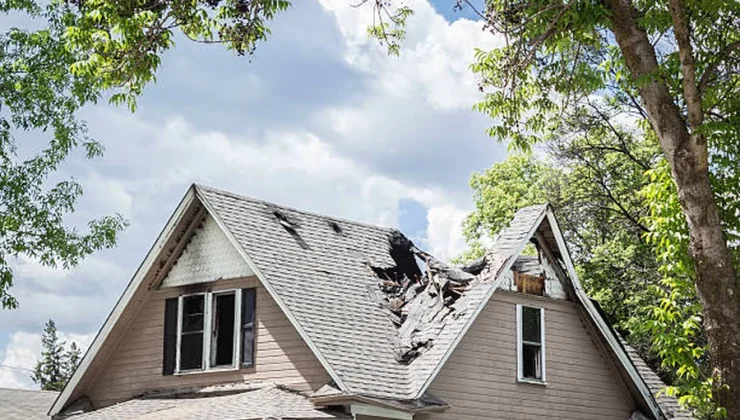
Hail creates dents, cracks, and surface bruises that weaken roofing materials far more than ordinary rain. The damage may not seem serious at first glance, yet storm impacts can shorten the lifespan of a roof without immediate repairs. When the structure absorbs heavy hits, specific warning signs begin to appear and reveal deeper issues.
Those signs help professionals determine if a roof replacement after hail is necessary to protect the building from future leaks. Specialists look beyond surface problems and evaluate components that cannot be easily seen from the ground. This article explains five strong indicators that a roof may require replacement after a major hailstorm and why timely action prevents costly problems.
-
Severe Granule Loss on Asphalt Shingles
Granules protect asphalt shingles from sunlight, heat, and moisture exposure. During a hailstorm, those granules break loose and slide down into gutters or drainpipes. Once the surface coating wears away, the shingle underneath becomes brittle and deteriorates faster.
Roofers view missing granules as evidence of reduced weather resistance, which shortens the material’s lifespan. A patch job rarely solves this concern because exposed shingles continue to degrade under sunlight. Extensive granule loss leads experts to recommend replacing the damaged portion before decay spreads.
-
Cracked or Lifted Shingles Across Multiple Areas
Repeated hail impact causes shingles to split or lift at the edges. Cracks invite water beneath the surface, where moisture slowly damages insulation and wood decking. Lifted materials lose fastening strength and become vulnerable during strong winds.
Even minor breaks can expand over time, especially when temperatures fluctuate between hot and cold. Specialists examine how many shingles are compromised to estimate the level of structural risk. If cracking affects broad sections, replacement is usually safer than scattered repairs.
-
Bruised Spots That Hide Subsurface Damage
A bruise appears as a soft or darkened circle on the shingle’s surface. While it may look small, the area underneath has likely been weakened by the impact. These bruised spots break roofing fibers and form weak points that collapse later.
Once the underlying layer deteriorates, leaks form beneath the material during rainfall. Contractors press gently to determine how deep the bruising runs across the roof. When bruising is widespread, full restoration becomes a more reliable solution than small patchwork.
-
Damaged Flashing Around Roof Structures
Hail does more than affect shingles. It dents or loosens metal flashing near chimneys, valleys, vents, and skylights. Flashing directs water away from vulnerable openings, so even minor shifts create new entry points for leaks. Poorly secured flashing exposes insulation and wood framing to moisture, leading to interior stains or mold.
Contractors analyze these sections carefully because deterioration around flashing cannot be ignored. Replacement becomes necessary when the impacted metal fails to seal protected areas. Fixing these weak points prevents water from entering areas that are already vulnerable to water damage.
-
Visible Decking Issues or Sagging Sections
A roof deck supports all surface materials and must remain rigid to perform correctly. When hail damage allows water penetration, wood panels beneath shingles begin to soften. Early signs include sagging areas, uneven surfaces, or visible dips where water has collected.
If the damage extends into the deck itself, new shingles alone cannot solve the problem. Repairing only the top layer leaves rotten wood untouched, which creates hazards and future leaks. Roofers recommend replacement to rebuild stability and restore structural strength.
Decisions made after hail depend on granule loss, cracks, bruised areas, flashing problems, and deck instability that compromise long-term performance. Professionals check for these indicators to determine the most reliable solution for a damaged structure. A complete roof replacement after hail protects the property from worsening leaks, weakened materials, and unnecessary repair expenses. Careful evaluation ensures the building remains safe, secure, and prepared for future weather conditions.