The Art And Science Behind Lenticular Design
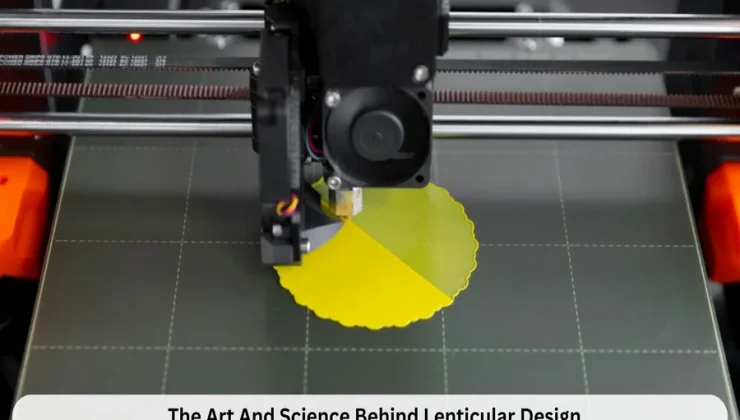
Lenticular design is where creativity and precision intersect to create motion, depth, and visual magic in printed images. Lenticulars have the power to transform static art into dynamic experiences.
As a result, they are perfect for dynamic advertisements, collectible cards, packaging, and educational tools. Lenticular printing is mainly based on optical engineering combined with design decisions. Every detail, from lens type, image preparation, interlacing method, and effect, must work together.
When these elements come together, effects can be spectacular, such as images rotating, animating, zooming, and changing perspective as you move. It is both an art and a science that makes lenticular technology effective and demanding.
Designers need to comprehend how the lenses manipulate light and how images need to be structured – and how to select an effect that is not only visually appealing but supports the project’s purpose.
With the right approach, lenticular printing becomes a tool for transforming ordinary visuals into unforgettable moments of engagement.
Understanding Lenticular Lenses
Lenticular lenses are the basis of the printing process. They have a design of a sheet of plastic having narrow, parallel ridges, which are tiny magnifying lenses. Light that hits each ridge, or lenticule, is directed towards a specific angle, allowing viewers to see different images. This optical effect creates the illusion of motion, depth, or change —an essential part of making any successful lenticular design.
The lens’s performance critically depends on the pitch, or lenticules per inch, of the lens. With a high pitch count, finer detail, and smoother transition, playing can be achieved. Such a finish will work well for a close-up application, such as trading cards or little promotional items.
That said, a pitch that is lower is helpful for larger formats such as posters and displays viewed by standing viewers. Thickness is also essential, since thicker lenses can create more dramatic 3D depth, though they may also be heavier and more expensive to produce.
Ultimately, you need to understand how the lens interacts with the print. A designer has to keep in mind the distance from which it will be seen, the orientation of the lens, and any physical limitations of the material.
With the proper alignment of these aspects with the project, the results on the lenticular lens can be extraordinarily effective.
Image Interlacing Techniques
Interlacing involves breaking and merging several images to achieve perfect alignment under a lenticular lens. If the Interlacing is improper, the image design will not be able to create the effect. Those who commonly use lenticular production target 3d or flip.
Flip Interlacing
The flip interlacing technique alternates pieces from two or more images, allowing the images to switch when the viewer moves. Before-and-after effects or simple transitions are the most common use. Having precision is very important. If you are misaligned, you will cause ghosting or incomplete flips.
Animation Interlacing
Animation interlacing is used when creating motion or sequential scenes that interlace various frames of an animation. The gap between the frames should be chosen cautiously to facilitate smooth transitions that are not invasive to the eye. Using too many frames can create a loss of clarity, while using too few can result in a choppy effect.
3D Interlacing
Several offset images of the same things are interlaced to create a 3D effect. It means through the lens, each eye catches a different angle. This creates the illusion of depth. It is a challenge to pick enough viewpoints to give depth without distortion.
Zoom Interlacing
Zoom interlacing creates an effect of magnifying or shrinking the image by interlacing images that scale in or out. The key to successful zooming is subtlety, as large inter-frame jumps can create a jerky effect.
Choosing the Right Effect for the Project
Choosing the right lenticular effect goes beyond just creativity. It’s also important to consider the project’s goal, the viewing environment, and the target audience. Each effect offers different strengths.
A flip effect is both impressive and straightforward, making it ideal for ads that require instant impact and clarity. It works particularly well where people pass by quickly, such as retail aisles and transit shelters.
Animation effects work wonders for projects that aim to tell a visual story or stand out from the crowd. When the image looks great on the screen, it will also look good on posters. It is often a valuable tool in promotion, in children’s products, and in interactive displays. On the other hand, 3D effects are particularly significant for packaging, posters, or collectibles that are designed to have a lasting impact. They ask the viewers to stay a while and observe.
Designers also have to consider practical aspects, including the number of images, color complexity, ghosting risk, and production costs. The distance from which you see them is very important; the effect may look great up close, but it will not look so great from afar.
A suitable effect relates to both the artwork’s technical limitations and its communication goals. This ensures that the lenticular artwork is not just impressive but effective.
Wrapping Up
Lenticular design merges science and art, creating images that surprise and delight in equal measure. Everything needs a great deal of planning and creativity, right from the lenses and interlacing to the effects selection. When designers understand how the science of the process works and apply that thinking staircase, it meets with great acclaim.
Designing subtle depth or extravagant movement, the aim remains the same: to usher the viewer in and transform a flat print into an immersive experience. When the artist and scientist of lenticular design are mastered, then the possibilities for storytelling and impact are endless.