Transitioning from Window AC Units to Ductless: Silver Spur’s Advice
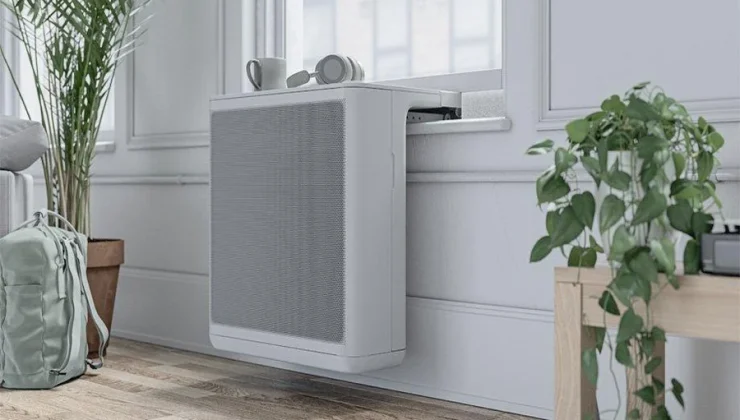
As households and businesses seek more efficient ways to manage indoor temperatures, many are reconsidering traditional window air conditioning units. While these systems have long served as a quick solution for cooling individual rooms, they often come with limitations, including higher energy consumption, noise, and inconsistent cooling. Ductless air conditioning systems offer a modern alternative, providing flexibility, energy efficiency, and improved climate control without extensive ductwork. We will explore why transitioning from window units to ductless systems can be beneficial and how Silver Spur Air, Heating, and Plumbing can guide homeowners and business owners through this transition, ensuring a smoother, more comfortable indoor environment.
Understanding the Shift to Ductless Systems
Ductless air conditioners, also known as mini-split systems, operate differently from traditional window units. Unlike window ACs that cool only a single space and often require removal during colder months, ductless systems can be installed in multiple rooms and provide both heating and cooling year-round. One key advantage is zoning capability, allowing homeowners to control each room’s temperature individually, reducing energy waste and improving comfort.
Another benefit is reduced noise levels: ductless units are quieter because the noisy compressor is installed outside, unlike window ACs, which bring the compressor into the living space. Additionally, ductless systems can maintain a consistent temperature throughout a room, eliminating the hot or cold spots that often occur with window units. Silver Spur Air, Heating, & Plumbing of Houston of Humble recommends ductless systems as an appealing solution for households aiming to combine comfort with energy efficiency.
Ease of Installation and Space Considerations
Transitioning from a window unit to a ductless system requires planning, but the installation is often less invasive than installing a traditional central air system. Ductless units consist of an outdoor compressor and one or more indoor air handlers connected via a small conduit that houses the refrigerant lines, power cables, and drainage. Because these systems do not require large ductwork, installation can be completed with minimal disruption to walls, ceilings, and furniture. For homes without pre-existing ducts, this is particularly advantageous. Indoor units are compact and can be mounted on walls, ceilings, or floors, providing flexibility to match each room’s interior design and space requirements. By strategically placing units throughout the property, a ductless system can provide complete coverage and targeted cooling, ensuring that every corner of the home remains comfortable without sacrificing aesthetics.
Energy Efficiency and Cost Savings
One of the most significant reasons to transition from window AC units to ductless systems is the potential for energy savings. Window units often require more electricity to achieve the desired cooling effect, especially in larger spaces, and they can allow air leakage around the unit, reducing efficiency. In contrast, ductless systems use inverter technology to regulate the compressor’s speed, providing precise temperature control while minimizing energy use. This means the system uses only as much power as needed, rather than running at full capacity continuously. Over time, homeowners may notice lower monthly utility bills and reduced environmental impact. Additionally, ductless systems often have higher seasonal energy efficiency ratios (SEER), which translates to more effective cooling per unit of electricity consumed, making them a cost-conscious choice for those seeking both comfort and savings.
Maintenance and Longevity
Another consideration when replacing window AC units is the ongoing maintenance required to keep the system operating efficiently. Window units are prone to accumulating dust and debris in the filters and coils, which can impact performance and air quality. Ductless systems typically have larger, easier-to-access filters that require less frequent cleaning and can be removed and washed quickly. The design of ductless systems also reduces wear and tear on components, as the compressor operates outside the living space and can adjust its speed according to demand. Regular inspections and minor maintenance, such as cleaning filters and checking refrigerant levels, help extend the system’s lifespan and maintain consistent performance. By investing in a ductless solution, homeowners can reduce the frequency of costly repairs and enjoy reliable temperature control for years to come.
Enhanced Air Quality and Comfort
Ductless systems offer more than just energy efficiency; they can also improve indoor air quality. Many units include built-in filtration systems that capture dust, pollen, and other airborne particles, creating a healthier living environment. In contrast, window units often have limited filtration, and outside air can carry pollutants directly into the room. By controlling airflow and incorporating advanced filtration, ductless systems can create cleaner, more breathable indoor spaces. Additionally, because ductless units provide even cooling without creating drafts, overall room comfort improves significantly. Families and individuals who previously relied on window units can experience consistent temperatures, quieter operation, and lower humidity, resulting in a more pleasant home environment year-round.
Transitioning from window air conditioning units to ductless systems is a decision that combines comfort, efficiency, and long-term savings. Ductless systems offer consistent temperature control, lower energy consumption, and improved air quality, addressing many of the limitations associated with window units. Their flexible installation, quieter operation, and zoning capabilities make them ideal for a range of spaces, from small apartments to larger homes. Guidance from a trusted provider like Silver Spur Air, Heating, and Plumbing ensures a smooth transition from system selection to installation and maintenance. Homeowners who adopt ductless systems can enjoy a quieter, more comfortable environment while reducing utility costs and improving indoor air quality, making the transition a valuable long-term investment.