What Should Church Suits Really Look Like? An In-Depth Observation
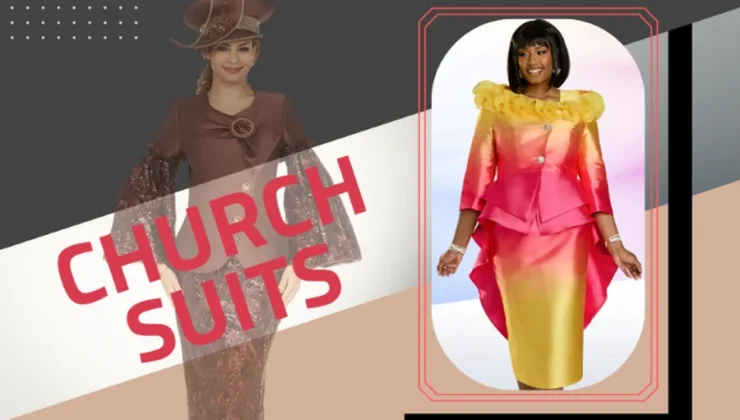
Church attire has long carried meaning beyond appearance alone. Church Suits are often chosen to reflect respect for worship, awareness of tradition, and a sense of personal dignity. While styles and preferences vary between congregations, there are consistent principles that help define what church suits typically represent and how they are selected thoughtfully.
The Purpose Behind Church Suits
Church suits are traditionally worn to honor the setting and the occasion. Unlike everyday clothing, they are intentionally chosen to signal reverence, attentiveness, and care. This does not mean they must follow rigid rules, but they often reflect a balance between modesty, structure, and refinement.
For many individuals, church suits are also tied to routine—something dependable and familiar that supports focus on worship rather than on attire.
Structure and Silhouette of Church Suits
Clean Lines and Modest Proportions
Well-defined silhouettes are common in church suits. Jackets, skirts, and trousers are usually structured without being restrictive, allowing for comfort during extended services.
Balanced Fit
A proper fit supports both appearance and ease of movement. Church suits generally avoid extremes, favoring proportions that feel composed and intentional.
Fabric Choices and Visual Texture
The materials used in church suits play an important role in how they are perceived.
Quality Fabrics
Fabrics that hold their shape and drape well contribute to a polished appearance. Breathable materials are especially important for comfort throughout the service.
Use of Texture and Detail
Subtle textures, woven patterns, or light embellishments can add visual interest without overwhelming the overall look. These details often distinguish church suits from standard business attire.
Color Considerations in Church Suits
Color selection often reflects both tradition and personal expression.
Classic and Neutral Tones
Colors such as navy, gray, cream, and black are commonly chosen for their versatility and understated presence.
Seasonal and Occasion-Based Colors
Brighter hues and softer pastels are frequently seen during celebratory services or warmer seasons, while deeper tones are often reserved for more formal occasions.
How Church Suits Differ From Other Formal Wear
While church suits share similarities with business or event attire, they often prioritize modesty and comfort more deliberately. The goal is not formality for its own sake, but a respectful presentation that aligns with the values of the setting.
This distinction is why many people prefer garments designed specifically for church wear rather than adapting standard formal clothing.
Personal Style Within Traditional Guidelines
Church suits allow room for individuality. Accessories, tailoring choices, and fabric selection all provide subtle ways to reflect personal choice while remaining appropriate for worship.
This balance between tradition and expression is one reason why Church Suit’s curated collections remain relevant across generations.
Consistency and Care in Church Suits
Church suits are often worn repeatedly, making durability and maintenance important considerations. Well-constructed garments tend to retain their appearance longer, supporting consistent presentation over time.
Collections such as those offered by Church Suits Fast are designed with this balance in mind, focusing on structure, comfort, and visual restraint suited to regular church attendance.
Conclusion: Defining What Church Suits Should Look Like
At their core, church suits are defined by intention rather than strict fashion rules. They reflect respect, modesty, and composure while allowing for personal expression within a traditional framework. By focusing on fit, fabric, and thoughtful design, church suits continue to serve as a meaningful form of attire that supports both individual style and the shared experience of worship.