Improving a Home Through Smart Adjustments
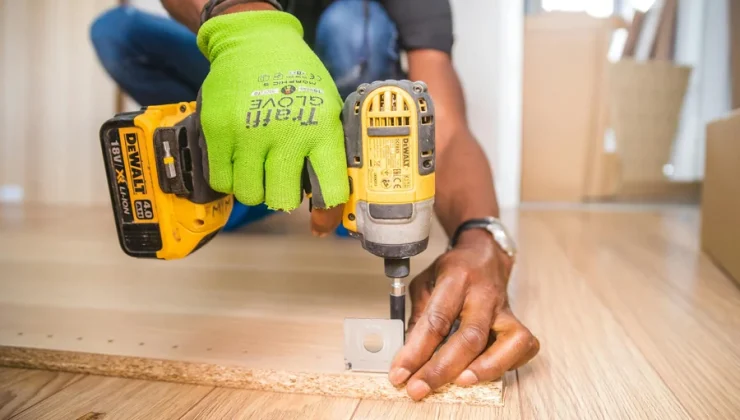
How many times have you walked through your house and thought, “This could be better,” even if nothing was technically broken? In Texas, where the weather swings between dry heat and sudden storms, homes are constantly tested. Things don’t always fall apart—they wear down, stall out, or just stop fitting the way they used to. In this blog, we will share how smart, focused changes can improve how a home works, feels, and holds up over time.
Space Isn’t the Problem—Layout Is
Many people attribute their home’s discomfort to its size. Not enough room, not enough storage, too cramped. But the actual culprit is often how space is used. Smart adjustments don’t always involve knocking down walls. Sometimes it’s about rethinking zones. A corner of the living room becomes a focused workspace with the right chair, lighting, and shelf. A chaotic entryway calms down with a few hooks, a bench, and a basket. You’re not adding space. You’re reclaiming it from clutter and confusion.
Improving layout also means fixing flow. Traffic jams around the kitchen? Maybe the table’s too big or in the wrong place. Kids’ backpacks in every room? Build a drop zone where the chaos naturally lands. Homes don’t need more square footage—they need less resistance.
Open-concept designs were once the gold standard. Now, after years of remote work and more time spent at home, people are creating flexible pockets instead. Soundproof corners, reading nooks, and clear walkways make a house feel bigger without changing its footprint. And nothing beats the feeling of walking into a space that supports how you actually live, instead of working around what doesn’t.
Electrical Fixes that Power Real Change
You don’t always notice electrical problems right away. Maybe it’s a flickering light that comes and goes or a breaker that trips whenever you use the toaster and microwave at the same time. At first, these things seem like quirks. Harmless. Then they grow into hazards or expenses you didn’t expect. Faulty wiring, overloaded panels, or outdated outlets aren’t just inconveniences—they’re safety risks.
Getting a local electrician in Beaumont, TX involved early helps cut those problems off before they escalate. Whether you’re upgrading to modern light fixtures, adding outdoor lighting, or improving your home’s power capacity, having a licensed professional handle the work brings real peace of mind. They catch the things you don’t see—frayed wires behind walls, circuits that don’t meet current code, or improperly grounded outlets that could fry your devices or worse. A professional electrician also knows how to future-proof your setup, so you’re not constantly patching outdated systems.
In areas where storms roll through with little warning, homes that have surge protection or grounded systems weather the aftermath with less damage. It’s not about preparing for the worst. It’s about expecting your house to perform consistently, no matter what comes through the power lines. Smart homeowners don’t wait for sparks. They make the upgrade when the signs start showing, not after something shuts down.
Temperature Control Isn’t Just About Comfort
The most livable homes hold a steady temperature without blasting the system all day. If you’re always adjusting the thermostat or noticing huge swings between rooms, something’s off. Windows could be leaking air. Insulation might be thin or outdated. Or maybe your system is running harder than it should just to keep up.
Smart thermostats help, but only if the underlying infrastructure works properly. That means sealing gaps, updating insulation where it’s thin, and making sure vents aren’t blocked. Even moving a bed or dresser off an air return can make a noticeable difference. Airflow needs room to move, just like people do.
There’s also growing interest in zoned systems—especially in homes with additions or multiple stories. Instead of treating the entire house like one unit, you control areas separately. That’s not just energy efficient, it’s personal. You sleep cooler, keep the kitchen warmer, and avoid conflicts with the rest of the household over a single temperature setting. That’s not luxury. That’s logic.
Fix the Small Annoyances You’ve Been Ignoring
Every home has tiny irritations that people learn to live with: the cabinet door that doesn’t close, the drawer that sticks, the screen door that always needs a nudge. These may seem minor, but they add up to stress. Each one adds a second or two of resistance to your day, until the house feels like it’s working against you rather than with you.
Smart adjustments include fixing these issues—tightening hinges, sanding edges, and replacing handles. The goal isn’t perfection. It’s ease. A home that cooperates builds momentum. You don’t waste thought or energy on small disruptions. That freedom adds up.
And it’s not just about mechanics. A room that always feels a bit too dark or echoey can be changed with a different rug, a new lamp, or a sound-dampening panel. Again, small move, big result. The fastest way to improve your relationship with your home is to remove the tiny things that constantly rub the wrong way.
Bringing Life Back Into the Picture
Some of the best smart changes aren’t about systems at all. They’re about presence. Adding greenery, even low-maintenance plants, changes air quality and how a room feels. Plants reduce noise, soften edges, and reconnect indoor space to the natural world—something people crave more than ever in a world of screens and boxed-in routines.
Color plays a similar role. You don’t need to repaint the whole house. One wall, one piece of furniture, or even a set of bold pillows can shift the mood of a room. Color doesn’t just influence design. It affects how you feel. It can lift energy, calm tension, or make a space feel safer and more grounded.
These aren’t frivolous tweaks. They respond to a real need people are feeling—especially now—as home becomes the center of more daily activity, not just a place you return to at night. People want homes that feel like a resource, not a drain.
Homes age with us. They start to reflect on how we’ve been living and reveal where we’ve been coasting. But they can also adapt, adjust, and grow stronger if you focus on the right areas. When you make smart improvements—focused, intentional changes—you don’t just fix problems. You make space for better days, better routines, and more ease across the board. It’s not about doing everything. It’s about doing the right things, one adjustment at a time.