How Game Development Studios Bring Virtual Worlds to Life
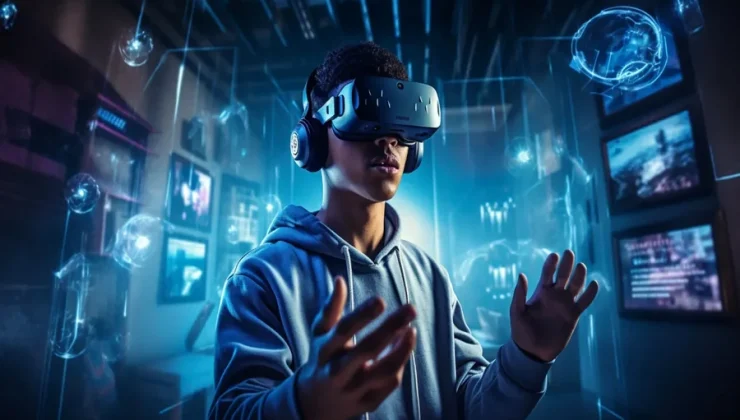
The modern gaming industry has transformed from simple pixel graphics into complex, immersive digital universes that captivate millions of players worldwide. Behind every successful game stands a team of creative and technical experts who carefully design, test, and refine each detail. In the middle of this creative process, a Game Development Studio plays a crucial role by combining art, storytelling, programming, and innovation into a single, seamless experience. From early sketches to fully interactive worlds, studios turn ideas into living environments that feel real, emotional, and unforgettable. Their mission is not only to build games, but also to create experiences that connect players to characters, stories, and communities across the globe.
From Concept to Digital Universe
Every game begins with an idea. Writers, designers, and artists work together to define the game’s theme, mechanics, and target audience. Concept art, storyboards, and early prototypes help visualize the direction of the project. This stage sets the foundation for the entire development cycle and ensures that the final product has a clear identity.
World Building and Storytelling
Virtual worlds feel alive when they have a believable history, culture, and environment. Developers design landscapes, cities, and characters that support the main narrative. Dialogue, lore, and side quests enrich the experience, making players feel like they are part of a larger universe rather than just observers.
Technology and Game Engines
Advanced engines such as Unity or Unreal provide the technical backbone for modern games. They handle graphics rendering, physics, animations, and sound integration. Programmers optimize performance to ensure smooth gameplay across different devices and platforms.
Key Elements Behind Immersive Worlds
To bring virtual spaces to life, studios focus on several essential aspects:
- Realistic lighting, textures, and animation
- Interactive environments that respond to player actions
- Balanced gameplay mechanics that keep users engaged
These components create depth and realism, helping players suspend disbelief and fully enter the digital world, similar to how platforms like instamatch connect users more seamlessly within their own interactive environments.
Collaboration Within the Studio
Game development is a team effort. Artists, developers, sound engineers, testers, and producers work closely to meet deadlines and maintain quality. Communication between departments ensures that creative ideas are technically feasible and that the final product matches the original vision.
Testing, Feedback, and Refinement
Before release, games undergo extensive testing to identify bugs, performance issues, and gameplay imbalances. Player feedback is analyzed and used to improve features. This continuous refinement process helps deliver a polished and enjoyable experience.
- Bug fixing and performance optimization
- Gameplay balancing and user experience improvements
The Future of Virtual Worlds
As technology evolves, virtual reality, artificial intelligence, and cloud gaming will redefine how players interact with digital environments. Game development studios will continue to push creative boundaries, offering richer worlds and more personalized experiences.
By blending creativity with technology, studios transform simple ideas into immersive universes. Their dedication ensures that every new title invites players to explore, connect, and escape into extraordinary virtual worlds.