Common Uses of Pressure Sensitive Fastening in Manufacturing
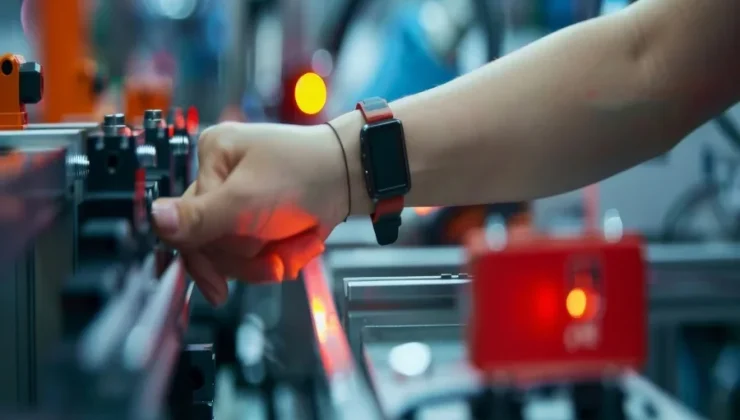
When people think about manufacturing, they usually picture heavy machinery, welded joints, and permanent assembly lines. Adhesives rarely get the spotlight. Yet in many facilities, some of the most practical decisions revolve around pressure sensitive fastening solutions. These are the quiet tools that allow products to evolve, be repaired, or even be reconfigured long after they leave the production floor.
In simple terms, pressure sensitive fastening involves adhesive backed materials that bond with light pressure instead of heat or complex curing systems. Products such as velcro tape fall into this category when they come with peel and stick backing. Instead of drilling holes or sewing components, manufacturers can mount, secure, or bundle parts quickly with a clean application.
What makes this approach interesting is not just convenience. It is how it supports temporary, semi-permanent, and modular assemblies across industries. In many cases, pressure sensitive fastening is less about holding things together forever and more about giving manufacturers room to adapt.
Temporary Assemblies in Prototyping and Testing
One of the most common but underappreciated uses of pressure sensitive fastening is in prototyping. Before a product is finalized, engineers often need to test configurations, adjust placements, and swap components.
Using adhesive backed fasteners allows teams to reposition parts without damaging them. Panels can be removed, sensors can be relocated, and wiring can be reorganized without committing to permanent attachment. This flexibility speeds up development cycles and reduces material waste.
Organizations such as the National Institute of Standards and Technology emphasize iterative testing in product development. Their engineering resources at outline how prototyping supports quality improvement and innovation. Pressure sensitive fastening aligns perfectly with that process because it enables quick changes without full reconstruction.
Instead of scrapping a prototype when something needs adjustment, teams can simply peel, reposition, and press again.
Semi-Permanent Mounting in Consumer Products
In finished goods, pressure sensitive fastening often serves as a semi-permanent solution. Consider removable panels in electronics, interior trim in vehicles, or access covers in appliances. These components need to stay secure during normal use but still allow access for maintenance.
Adhesive backed hook and loop materials provide that balance. They hold firmly under standard conditions while allowing technicians or consumers to detach parts when necessary. This is especially useful in products designed with repairability in mind.
As sustainability becomes more important in manufacturing, modular repair friendly designs are gaining traction. The Environmental Protection Agency discusses the value of extending product lifecycles through maintenance and repair in its sustainable materials management guidance. Pressure sensitive fastening supports this goal by making disassembly simpler and less destructive.
Rather than breaking clips or stripping screws, parts can be removed cleanly and reattached with minimal wear.
Cable Management and Interior Organization
Another widespread use is cable management inside equipment enclosures and vehicles. Adhesive backed fastening strips can be applied directly to interior surfaces, creating secure anchor points for wiring bundles.
This approach avoids drilling holes or adding metal brackets, which can increase weight and production time. It also allows technicians to update wiring configurations as systems evolve. In industries such as telecommunications and data infrastructure, flexibility is critical because layouts change frequently.
Pressure sensitive fastening keeps wires organized while maintaining accessibility. If new components are added, the fastening points can be repositioned or expanded without redesigning the entire enclosure.
This combination of structure and adaptability makes adhesive backed systems especially valuable in environments where technology evolves rapidly.
Temporary Fixtures in Manufacturing Lines
Pressure sensitive fastening is not only used in the products themselves. It also plays a role on the production floor. Temporary fixtures, signage, protective covers, and tool holders are often mounted using adhesive backed fasteners.
During line reconfigurations or seasonal production shifts, these elements may need to be moved. Instead of investing in permanent hardware that becomes obsolete, manufacturers can rely on peel and stick solutions. When layouts change, components can be detached and relocated without damaging walls or machinery.
This supports lean manufacturing principles, where flexibility and efficiency are key. Being able to modify setups quickly reduces downtime and supports continuous improvement initiatives.
Medical and Wearable Applications
In medical device manufacturing, pressure sensitive fastening offers comfort and adjustability. Wearable devices, monitoring equipment, and soft braces often rely on adhesive backed hook and loop materials for secure but adjustable attachment.
Because these applications come into direct contact with users, ease of removal is essential. Components may need to be cleaned or replaced regularly. Adhesive backed fastening allows devices to maintain a stable fit without complex buckles or rigid connectors.
Durability in these cases depends on selecting adhesives that tolerate moisture, skin contact, and repeated cycles. Manufacturers must carefully evaluate material compatibility and adhesion strength to ensure safety and reliability.
Retail Displays and Modular Merchandising
Retail environments frequently change layouts to highlight new products or seasonal promotions. Pressure sensitive fastening supports modular display systems that can be assembled and disassembled without tools.
Shelving inserts, graphic panels, and lightweight fixtures can be mounted securely yet removed without leaving significant residue. This reduces labor costs and prevents damage to surfaces.
For brands that refresh displays regularly, this adaptability is more cost effective than permanent mounting systems. It also allows for experimentation with store layouts and promotional arrangements.
Balancing Adhesion Strength and Removability
The key to successful pressure sensitive fastening lies in selecting the right adhesive strength. Too weak, and the bond fails prematurely. Too strong, and removal damages surfaces.
Manufacturers evaluate factors such as surface material, environmental exposure, load requirements, and expected lifespan. Temperature fluctuations, humidity, and vibration all affect adhesive performance.
In many applications, the goal is not maximum strength but optimal strength. The fastening solution must hold under normal conditions while still allowing intentional separation when needed. This balance supports modularity without sacrificing reliability.
Designing for Change
The most compelling aspect of pressure sensitive fastening in manufacturing is how it supports change. Products today are rarely static. Software updates alter hardware requirements. Consumer preferences shift. Maintenance strategies evolve.
Adhesive backed fastening solutions provide a way to design with that uncertainty in mind. They allow assemblies to be temporary during development, semi-permanent during use, and adaptable during repair.
Instead of locking every component into a fixed position, manufacturers can build systems that respond to new demands. In a world where flexibility is increasingly valuable, that design philosophy makes pressure sensitive fastening more than just a convenience. It becomes a strategic tool.
By understanding where temporary, semi-permanent, and modular connections add value, manufacturers can use pressure sensitive fastening not only to assemble products but to future proof them.