Navigating the Path to Becoming a Certified Swimming Instructor
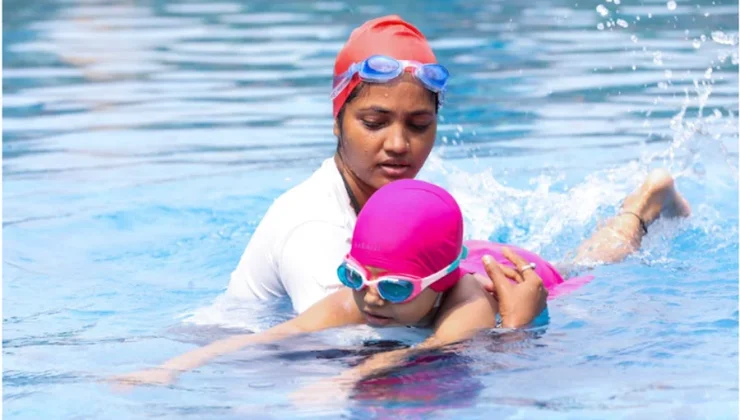
Aspiring swimming instructors seeking robust certification pathways have a broad array of courses to consider. Among these, the swimming instructor course Singapore stands out as a comprehensive program that rigorously prepares candidates with essential skills and knowledge crucial for coaching swimmers effectively. This cornerstone course, vital for developing a professional edge, is renowned for its structured curriculum and adherence to international standards.
Course Structure and Curriculum
The swimming instructor course in Singapore is meticulously structured to cover all core areas necessary for a future instructor. The coursework is divided into several modules, ensuring participants gain a well-rounded understanding of teaching techniques, water safety, and swimmer psychology. From theoretical knowledge to practical skill sets, the course is designed to build a strong foundation for aspiring instructors.
Participants begin their journey by delving into the science of swimming. Understanding hydrodynamics and body mechanics plays a crucial role in teaching swimming techniques effectively. The course emphasises the importance of movement analysis, allowing instructors to identify and correct individuals’ swimming strokes, thereby improving efficiency and reducing the risk of injury.
Emphasis on Safety and Rescue Techniques
Safety is paramount in any aquatic environment, and this course places a significant focus on preparing instructors to manage potential emergencies. Enrollees are trained in lifesaving and rescue techniques, equipping them with the vital skills needed to respond swiftly and effectively to crises. The emphasis on safety protocols ensures that instructors can maintain secure environments for all swimmers.
Practical sessions in the course involve simulated rescue scenarios, enabling future instructors to apply theoretical knowledge in controlled environments. These sessions contribute to the development of confident, competent professionals capable of managing real-world situations.
Psychological Aspects of Swimming Instruction
Another critical area covered in the course is the psychology behind swimming instruction. Understanding the diverse motivations of learners and the mental barriers they might face is pivotal for effective teaching. By exploring psychological principles, instructors learn how to offer tailored encouragement and support, catering to individuals’ unique needs and fostering a positive aquatic experience.
This holistic approach helps instructors cultivate a nurturing environment where learners feel valued and motivated, ultimately contributing to their ongoing development and enjoyment of swimming.
Professional Development and Career Opportunities
Certified instructors from this course find themselves well-equipped for a variety of career paths in the aquatic industry. The demand for qualified swimming instructors is consistently high, given the importance of teaching essential swimming skills for safety and recreation. Moreover, the versatility of this certification opens doors to employment in various aquatic settings, such as gyms, community centres, and recreational facilities.
Professionals who complete the course benefit from the enhanced credibility associated with being trained according to globally recognised standards. This credibility not only aids in securing employment but also offers a competitive edge in advancing within the industry.
Collaborations and Networking Opportunities
Participants in the course join a community of like-minded professionals and experts, fostering valuable networking opportunities. The camaraderie and support within this network can significantly enhance career development. Collaborative projects and workshops offered during the course encourage information exchange and build lasting professional relationships.
Through industry connections, instructors gain insights into emerging trends and technologies, further enhancing their teaching practices and keeping them at the forefront of the domain.
Continuous Education and Skill Enhancement
In the fast-evolving aquatic industry, continuous education is critical. The swimming instructor certification serves as a stepping stone to further specialisations and advanced courses that can bolster an instructor’s portfolio. Lifelong learning is actively promoted, encouraging instructors to stay updated with the latest teaching methods and safety protocols.
For those who wish to delve deeper into the profession, advanced topics such as adaptive teaching strategies for individuals with disabilities or advanced lifesaving techniques offer avenues for skill enhancement and specialisation.
Impacts on Personal and Professional Growth
Completing this course not only provides professional qualifications but also fosters personal growth. Instructors develop stronger communication skills, boosting their confidence in teaching and interacting with diverse groups. The gratification of imparting essential swimming skills and fostering aquatic safety adds a rewarding dimension to their careers.
As instructors witness their students’ progress—from overcoming water anxiety to mastering strokes—it creates a sense of achievement and personal fulfilment. This enriching experience underscores the gratifying nature of the instructor’s role.
Adapting to Technological Advancements
The swimming instructor course embraces technological advancements to streamline education and training. The integration of online modules alongside practical sessions allows for flexible learning, accommodating a wide range of schedules and commitments. This approach ensures participants can access course materials and engage with interactive content at their convenience.
The use of technology extends to teaching practices as well, where instructors learn to employ video analysis tools, smart devices for performance tracking, and virtual platforms for learner engagement. Such innovations enrich the educational experience and prepare instructors for tech-driven enhancements in the aquatic instruction field.
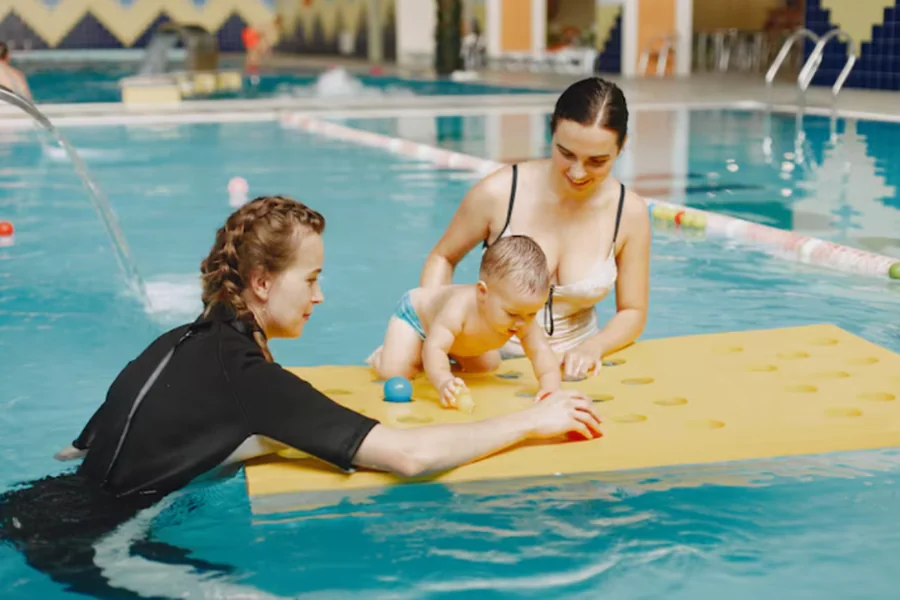
Implementing Best Practices in Global Contexts
The course is rooted in best practices that align with global educational standards, preparing instructors to operate effectively in any international context. Understanding cultural differences and adapting teaching methods accordingly ensures that instructors can meet the needs of diverse populations. This cultural competency is crucial as the global demand for swimming instructors spans across various regions and demographics.
The synthesis of local insights with international pedagogy empowers instructors to cater to global learner bases, thus enhancing their versatility and employability.
The swimming instructor course in Singapore, detailed here, represents a thorough educational journey for individuals eager to make a significant impact in aquatic education. By fostering technical prowess, safety acumen, and instructional aptitudes, this course sets the stage for vibrant careers dedicated to promoting safety and proficiency in the water. The skills acquired not only benefit learners but also inspire the instructors’ continuous professional and personal advancement.