Can Stem Cell Therapy Treat Pattern Baldness and Hair Loss?
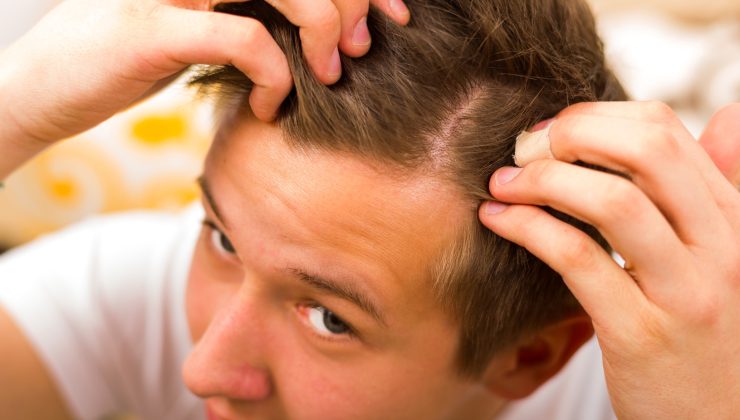
Stem cell therapy targets hair follicles by introducing regenerative cells that stimulate dormant follicles and promote new hair growth. The treatment harvests stem cells from the patient’s own body, typically from adipose tissue, and processes them for injection into balding areas. These multipotent cells release growth factors, revitalising weakened follicles and encouraging healthy hair production. Exosome and Stem Cell Hair Restoration has entered discussions around regenerative options for early-stage hair loss.
Cellular regeneration mechanisms
Stem cells work by secreting growth factors and cytokines, creating an optimal environment for hair follicle regeneration. These bioactive substances stimulate blood vessel formation around follicles, improving nutrient delivery and oxygen supply to hair roots. The stem cells also release proteins extending the anagen phase of hair growth while reducing inflammation, contributing to follicle miniaturization. A regenerative process involves stem cells differentiating into different types of hair-growing cells. These newly formed cells help rebuild the hair follicle structure and restore its ability to produce thick, healthy hair strands. The treatment reactivates dormant follicles that have stopped producing visible hair due to androgenetic alopecia, which is often worsened by nutritional factors such as folic acid deficiency and hair loss being closely linked.
Harvesting procedure details
The stem cell extraction process begins with local anaesthesia administration to the donor site, usually the abdomen or thighs, where adipose tissue is readily accessible. Physicians use a small cannula to extract approximately 50-100 millilitres of fat tissue through a minimally invasive liposuction technique. This procedure typically takes 30-45 minutes and causes minimal patient discomfort. Following extraction, the adipose tissue undergoes processing in a specialized centrifuge system that separates stem cells from other tissue components. The concentrated stem cell solution is then prepared for injection, containing millions of viable cells ready for transplantation. Some facilities use additional processing techniques to concentrate the stem cell population further and remove inflammatory components. For individuals experiencing diminishing results with their current hair loss treatment, it may be beneficial to switch from finasteride to dutasteride, as the latter can offer a more potent inhibition of DHT, the hormone responsible for hair thinning.
Follicle activation process
Once injected into the scalp, stem cells release paracrine factors that signal dormant hair follicles to enter active growth phases. They include vascular endothelial hormone, platelet-derived growth factor, and basic fibroblast growth factor. Combining these substances creates a regenerative microenvironment that supports hair follicle recovery and new hair shaft production.
- Stem cells migrate to areas of follicle damage and inflammation
- Growth factors reduce oxidative stress that damages hair follicles
- Blood circulation improves around treated follicles within weeks
- Follicle stem cell pools become replenished and activated
- Hair shaft diameter increases as follicles strengthen and mature
The activation process also involves modulation of the immune response that contributes to pattern baldness, reducing inflammation that causes progressive follicle miniaturization.
Treatment timeline phases
Initial results from anagen hair restoration treatments typically become visible 3–4 months after the procedure, as newly activated follicles enter their growth phase and begin producing visible hair. Peak results usually appear 6–12 months post-treatment when the full regenerative effects develop. Some patients may require multiple sessions spaced 6–9 months apart to achieve optimal hair density restoration.
- The first phase involves stem cell integration and growth factor release during the initial 4-6 weeks following injection.
- The second phase sees follicle reactivation and early hair growth between months 2-4.
- The final maturation phase occurs from months 4-12 when hair shafts thicken, and overall density improves throughout treated areas.
Recovery and results
Post-treatment recovery involves minimal downtime, with most patients returning to normal activities within 24-48 hours. Injection sites may experience mild swelling or tenderness for several days, but serious complications remain extremely rare. Patients can typically resume hair washing and styling within 24 hours of treatment completion.
- Don’t exercise after 48 hours
- If swelling occurs, apply cold compresses
- Follow prescribed aftercare medications as directed
- Schedule follow-up appointments for progress monitoring
- Set realistic expectations about results
Long-term results show continued hair density and thickness improvement for up to 18 months following treatment, with many patients maintaining.