The Pros and Cons of Different Mole Remover Methods
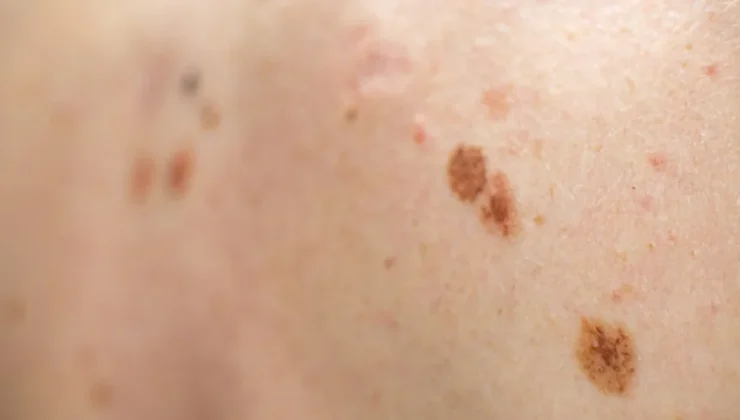
When it comes to removing moles from your skin, the options can feel overwhelming. Whether it’s for cosmetic reasons or a concern about skin health, many people turn to various mole remover methods.
These range from at-home treatments to professional procedures, each with its own benefits and risks. In this article, we’ll explore the pros and cons of some common mole remover methods to help you decide which one might be the best fit for your needs.
Home-Based Mole Removal Solutions
There are several over-the-counter products designed to remove moles at home, often labeled as mole remover. These typically come in the form of creams, gels, or liquid solutions. Some claim to remove moles painlessly and effectively in the comfort of your own home. But are these treatments as effective and safe as they sound?
Pros
The major advantage of at-home mole remover products is convenience. They are easy to use, and you don’t have to schedule a doctor’s appointment or spend a lot of time in a clinic. Many people are drawn to these products because they seem like a quick and affordable solution.
Additionally, home remedies may allow for privacy if you’re feeling self-conscious about your mole removal. You can use them in your own space, without the need for professional consultation.
Cons
However, the drawbacks of these products are significant. For one, they might not be suitable for all types of moles. Some moles can be indicative of more serious health issues, such as skin cancer, which requires medical intervention. Using over-the-counter treatments on such moles could lead to complications or delay necessary diagnosis and treatment.
Another concern is that these products may cause irritation or scarring. If not used correctly, at-home treatments might lead to infection, burns, or skin discoloration, leaving permanent damage rather than improving your skin’s appearance.
Cryotherapy Mole Remover Through Freezing
Cryotherapy is a treatment in which a mole is frozen off using liquid nitrogen. This method is commonly used by dermatologists and has been effective for the removal of certain benign moles.
Pros
One of the most significant benefits of cryotherapy is that it’s relatively quick. The procedure typically only takes a few minutes and requires minimal recovery time. It’s also a non-invasive procedure, which means no incisions or stitches are needed. For most people, cryotherapy offers a safe and effective way to remove small moles with minimal discomfort.
Additionally, cryotherapy is a relatively affordable option compared to other professional treatments, and it doesn’t require much aftercare.
Cons
While cryotherapy can be effective, it’s not always the best choice for larger or deeper moles. The freezing process might not penetrate deeply enough to fully remove the mole, especially if it’s a raised or complex growth.
Another downside is the potential for scarring. In some cases, the skin around the mole can become irritated or develop pigmentation changes, leaving behind noticeable marks. In rare cases, cryotherapy may even fail to completely remove the mole, leading to the need for additional treatments.
Laser Mole Remover Treatment
Laser mole removal is a modern approach to mole removal that uses focused light to target the mole. This method is typically used for smaller, flatter moles.
Pros
Laser removal is a precise method that targets only the mole tissue, minimizing damage to the surrounding skin. It is particularly effective for removing moles that are flat or smaller in size.
Another benefit of laser removal is that it tends to cause less scarring than other methods, such as surgical excision. The process is quick, and the recovery time is usually shorter than with other procedures. Most people can return to their normal activities soon after the treatment.
Cons
The major downside of laser mole removal is that it might not be suitable for all types of moles, particularly larger, raised moles. Laser treatment is also typically more expensive than other options, which may be a factor for some people.
Additionally, as with any treatment, there is a risk of side effects such as hyperpigmentation or scarring, especially if the mole is not completely removed. There’s also the possibility that the mole might regrow, requiring further treatment.
Surgical Excision as a Mole Remover Method
Surgical excision is one of the most commonly recommended mole removal methods, especially for moles that are larger or have irregular borders. The procedure involves cutting out the mole and stitching up the skin to close the wound.
Pros
The main advantage of surgical excision is that it provides a permanent solution to mole removal. Because the mole is physically removed, the chance of regrowth is minimal. This method is also highly effective for removing moles that are deep within the skin or have concerning features that could indicate cancer.
Another benefit of excision is that it allows the doctor to send the mole to a lab for testing, providing peace of mind that the mole is benign and not cancerous.
Cons
The primary downside to surgical excision is that it can leave a scar, especially if the mole was large or deep. The healing process can take time, and it may involve some discomfort. In addition, the procedure can be costly, particularly if it’s performed in a dermatology clinic or medical center.
Natural Mole Remover Remedies
Some people prefer natural mole remover remedies, such as applying apple cider vinegar, garlic, or vitamin E oils. These remedies are often touted as safe, non-invasive, and cheap alternatives to medical treatments.
Pros
Natural remedies are attractive to people who want to avoid medical procedures. They are often easy to apply, inexpensive, and widely available. For those who prefer a more holistic approach, these methods might feel like a gentler option.
Cons
Unfortunately, there is little scientific evidence to support the effectiveness of natural remedies for mole removal. They may not work at all, or they could cause skin irritation, burns, or even infections. Because they aren’t regulated or tested by medical professionals, there’s no guarantee of safety.
Natural remedies also pose the risk of missing an underlying health condition. If the mole is cancerous or precancerous, these home treatments may delay the diagnosis and lead to complications.