Top Lifestyle Trends to Watch in 2026: Predictions and Insights

1. Hybrid & Flexible Living Becomes the Norm
The shift we saw in recent years toward remote work, hybrid schedules, and “living where you work” will deepen. Home offices will become more sophisticated and common; people will expect flexible hours and the ability to move seamlessly between home, co-working spaces, and physical offices. The design of homes (and neighbourhoods) will increasingly prioritize adaptability: multi-use rooms, modular furniture, and better internet infrastructure. In 2026, people won’t simply adapt to hybrid lifestyles—they’ll design their lives around them.
2. Sustainability as Standard, Not Exception
“Sustainable living” will no longer be a buzzword but a baseline expectation. Products, services, and everyday choices will be judged by their environmental impact. We’ll see more use of recycled and upcycled materials in fashion and interiors; food choices will favor local, regenerative agriculture; packaging will move toward minimal, reusable, or biodegradable options. Business models like on-demand production, clothes leasing, and circular supply chains will also grow. Sustainability won’t be a lifestyle choice for a niche audience—it will be the standard everyone expects.
3. Wellness & Mental Health are Front and Center
Wellness is expanding beyond fitness and diet to include mental, emotional, and spiritual health. Trends will include digital detoxes, mindfulness practices built into daily life, sleep optimization, holistic healing modalities, and more accessible mental health support. Preventative health rather than reactive care will grow in importance. Whether through meditation apps, urban wellness retreats, or biohacking tools, people in 2026 will embrace health as a lifelong, whole-person pursuit.
4. Tech That Respects Our Time & Privacy
Rather than more screen time or always-on devices, people will increasingly look for tech experiences that feel more humane. That means AI assistants that anticipate needs, voice- and context-aware systems, and tools that reduce friction rather than add complexity. There will also be growing concern about privacy, data ownership, and transparency of AI systems. Users will favor devices and services that are secure, explainable, and respectful of personal data. Even in lifestyle accessories, from smart wearables to the best disposable vapes, people will gravitate toward options that balance convenience, safety, and thoughtful design.
5. Interior & Home Life: Nature, Texture, & Hybrid Aesthetics
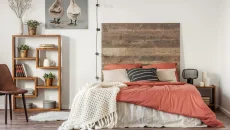
Home is where people will continue to invest. Trends for 2026 in interiors point toward merging indoors and outdoors; using natural, tactile materials like wood, rattan, and woven textures; calming, earthy or nature-inspired color palettes; and adopting styles that balance minimalism with warmth. Styles such as Japandi (Scandinavian + Japanese) and Wabi-Sabi will both grow, though each expresses a different sensibility: clean structure versus embracing imperfection. Hidden storage, multifunctional furniture, and seamless design will also play important roles.
For adult collectors and enthusiasts, customization has become an important part of the experience. Many explore different styles, designs, and accessories to make their devices unique. When individuals view shop custom vapes options in a purely design-focused or adult-collector context, they can appreciate craftsmanship, materials, and aesthetic choices.
6. Fashion & Beauty with Purpose & Play
A few significant shifts in how we dress and present ourselves will define the year:
- Self-expression over uniformity: bold prints, nostalgic revivals like Y2K or arts & crafts aesthetics, and the return of vibrant color after years of neutral minimalism.
- Function meets style: clothes that adapt, modular pieces, convertible items, and wearable tech like smart fabrics with temperature regulation.
- Holistic beauty: an emphasis on skin health, regenerative treatments, clean ingredients, and minimal but intentional makeup. Creativity in color and texture will be embraced, but with a stronger emphasis on sustainability.
7. Experience Over Possessions & Localism
People will increasingly place higher value on experiences—travel, learning, community, and art—rather than accumulating more “stuff.” Growth will be seen in local travel, immersive cultural events, workshops, and rituals that foster belonging. This shift ties in with sustainability but also with a search for meaning, connection, and memories. As consumer fatigue with materialism deepens, experience-driven lifestyles will feel more enriching and enduring.
8. Food Culture Continues Its Transformation
Food trends will intensify around health, sustainability, and authenticity:
- Plant-forward diets, lab-grown proteins, and alternative sources of nutrition.
- Functional foods that go beyond nourishment—think probiotics, adaptogens, and energy-boosting blends.
- Buying habits favoring local, seasonal, zero-waste, and minimally processed options.
- Cooking at home supported by smart appliances, recipe assistants, and sustainable meal kits.
Dining in 2026 won’t just be about what tastes good; it will be about what supports personal health, planetary health, and cultural authenticity.
Challenges & Questions to Watch
- Inequality & Access: Will these lifestyle improvements be available broadly, or will there be a divide between those who can afford sustainable or premium wellness tech versus those who cannot?
- Sustainability vs Greenwashing: As many brands adopt eco-friendly messaging, how will consumers discern real impact from clever marketing? Regulation and transparency will become more important.
- Tech Overload: Even as new tech promises convenience, there’s a risk of burnout, information fatigue, or privacy missteps. The tension between connection and escape will continue.
- Supply Chain & Resource Limits: Some of the most promising materials and innovations face challenges in scaling, cost, and environmental trade-offs.
Lifestyle trends for 2026 reflect a desire for balance: between technology and humanity, minimalism and self-expression, sustainability and convenience. People are shaping lives that prioritize well-being, flexibility, and meaningful experiences. The next year will not be about abandoning modern comforts, but about integrating them in smarter, healthier, and more responsible ways.