How to Align Your Projects with the Software Development Life Cycle
Defining the SDLC Framework
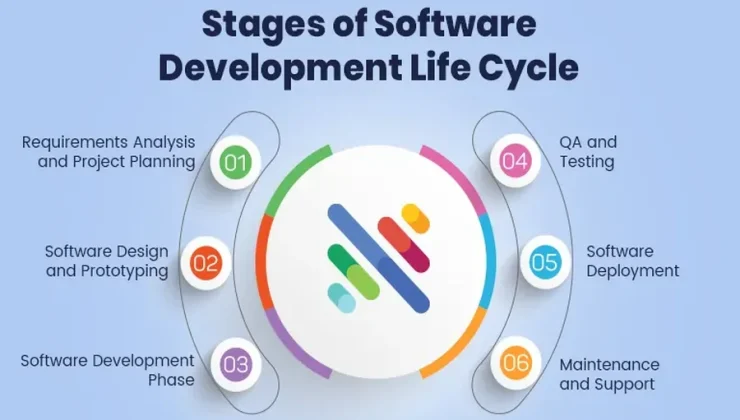
The Software Development Life Cycle, or SDLC, is basically a roadmap for building software. It breaks down the whole process into distinct stages, making it easier to manage. Think of it like following a recipe; you wouldn’t just throw everything in a pot and hope for the best. The SDLC provides that structure.
This structured approach helps teams stay organized and focused. It outlines what needs to happen at each step, from the initial idea to the final product and beyond. Following the SDLC means development is systematic, which generally leads to better quality software.
Different projects might use slightly different versions of the SDLC, but the core idea remains the same: a planned, step-by-step process. This framework is key to producing reliable software efficiently.
Importance of SDLC in Project Management
Using the SDLC in project management is pretty important. It helps teams keep projects on track and within budget. Without a clear process, things can get messy fast, with missed deadlines and scope creep.
The SDLC provides a clear path, allowing project managers to allocate resources effectively and set realistic timelines. It also makes it easier to communicate progress and potential issues to stakeholders. This transparency is a big deal.
Ultimately, the SDLC helps manage risks and ensures that the final software actually meets the needs it was designed for. It’s about doing things right from the start.
Key Benefits of Following SDLC Practices
Following SDLC practices brings a bunch of good things to the table. For starters, it really helps in producing high-quality software. The structured phases mean thorough planning and testing.
Here are some of the main advantages:
- Improved Quality: Each phase has specific goals, leading to fewer bugs and better performance.
- Better Planning: Clear requirements and design phases prevent costly changes later.
- Cost Efficiency: Identifying issues early saves money on rework.
- Increased Visibility: Stakeholders can track progress and understand the development process.
The SDLC isn’t just a set of rules; it’s a way to make software development more predictable and successful. It helps teams avoid common problems and deliver what users actually need.
Adhering to the SDLC also means better team collaboration. Everyone knows their role and what’s expected at each stage. This makes the whole development process smoother and more efficient.
Core Phases of the SDLC Process
Understanding the distinct phases of the Software Development Life Cycle (SDLC) is key to managing any software project effectively. Each stage builds upon the last, guiding the team from initial concept to a finished, functional product. This structured approach helps prevent missteps and ensures that the final software meets all intended goals.
The Planning and Requirements Gathering Phase
This initial phase is all about defining the “what.” What problem is the software solving? Who is it for? What specific features must it have? Teams gather detailed requirements from stakeholders, outlining the project’s scope, objectives, and constraints. Thorough planning here prevents costly changes later. This phase of the SDLC sets the direction for everything that follows.
Software Design and Architecture
Once requirements are clear, the focus shifts to the “how.” This phase involves creating the blueprint for the software. It includes defining the overall system architecture, database design, user interface (UI) and user experience (UX) design, and selecting the appropriate technologies. A well-thought-out design makes the subsequent development phase smoother and more efficient. It’s where the technical foundation of the software is laid out.
Development and Coding
This is where the actual building happens. Developers translate the design specifications into working code. Following established coding standards and best practices is important during this phase of the SDLC. Teams might work in sprints or modules, depending on the chosen methodology. The goal is to produce clean, efficient, and maintainable code that aligns with the project’s requirements.
Testing and Quality Assurance
Before software can be released, it must be rigorously tested. This phase involves various types of testing, such as unit testing, integration testing, system testing, and user acceptance testing (UAT). The primary goal is to identify and fix any bugs, errors, or performance issues. Quality Assurance (QA) is not just about finding bugs; it’s about verifying that the software meets all specified requirements and performs as expected. This stage is critical for delivering a reliable product.
Here’s a look at common testing types:
- Unit Testing: Testing individual components or functions.
- Integration Testing: Testing how different modules work together.
- System Testing: Testing the complete, integrated system.
- User Acceptance Testing (UAT): Testing by end-users to confirm it meets their needs.
Effective testing throughout the SDLC process is non-negotiable for producing high-quality software. It catches issues early, saving time and resources in the long run.
Deployment and Post-Launch Considerations
Software Deployment Strategies
Getting your software out the door is a big step. It’s not just about flipping a switch; it’s about a planned rollout. Think about how you’ll release it. Will it be a big bang, or a phased approach? A phased rollout lets you manage risk better. You can release to a small group first, gather feedback, and then expand. This helps catch issues before they affect everyone. Careful planning here prevents a lot of headaches later.
Consider your deployment environment. This includes servers, databases, and network setup. You need to make sure everything is ready. Also, have a rollback plan. If something goes wrong, you need to be able to go back to a stable state quickly. This is a key part of a smooth deployment.
Ongoing Maintenance and Updates
Once the software is live, the work isn’t over. Software maintenance is about keeping things running well. It means making sure your software stays secure and meets user needs as they change. This is a continuous process that starts right after deployment.
Key activities include watching how the software performs. You need to track performance to find and fix problems. Gathering user feedback is also important. It tells you what users like and what needs improvement. Fixing bugs is another big part. You’ll look at error logs, figure out what’s broken, and then create fixes.
Iterating for Continuous Improvement
Software development doesn’t stop at launch. It’s an ongoing cycle. You’ll want to add new features, make existing ones better, and patch up any security holes. This is where iterating comes in. It’s about making your software better over time based on how it’s used and what users say.
Think about user feedback as a guide. It helps you decide what to work on next. Maybe users want a new feature, or perhaps an existing one is confusing. Your maintenance plan should include time for these improvements. This keeps your software relevant and useful. The SDLC really shines when you embrace this continuous improvement.
Choosing the Right SDLC Model for Your Project
Selecting the correct Software Development Life Cycle (SDLC) model is a big deal for any project. It’s not a one-size-fits-all situation. The model you pick sets the pace and structure for how your team will build and deliver software. Think about what your project actually needs. Is it a small, straightforward task, or something more complex with lots of moving parts?
Evaluating Project Needs and Complexity
When you’re figuring out which SDLC model to use, the first step is to really look at your project. What are the main goals? How complicated is the technology involved? Are the requirements crystal clear from the start, or do you expect them to change a lot as you go? For projects with very stable, well-defined requirements, a linear approach like Waterfall might work. However, if your project is likely to evolve, you’ll need a more flexible SDLC model.
Understanding Waterfall and Agile Methodologies
The Waterfall model is like a straight line. You finish one phase completely before moving to the next. It’s simple and easy to manage, especially for smaller projects where everything is known upfront. On the other hand, Agile is more like a cycle. It breaks work into small chunks, often called sprints, and focuses on collaboration and quick feedback. This makes it great for projects where requirements might shift.
- Waterfall: Best for projects with fixed requirements and clear endpoints.
- Agile: Ideal for projects needing flexibility and frequent customer input.
- Iterative: Good for projects that can be built in stages, with improvements made over time.
When to Use Iterative Development
Iterative development is a solid choice when you want to build a product in stages. Each stage, or iteration, results in a working version of the software. This allows for testing and feedback after each cycle, helping to refine the product as you go. It’s more structured than Agile but still allows for adjustments. This approach is particularly useful for larger, more complex projects where breaking down the work into manageable pieces makes the overall process less daunting and helps identify issues early.
Choosing the right SDLC model means aligning the process with the project’s unique characteristics and the team’s working style. It’s about finding the best fit to ensure successful delivery.
Integrating Security Throughout the SDLC
Addressing Security Risks Early
Thinking about security from the start is a smart move. It means looking for potential problems before they become big headaches. This approach, often called “shift left,” helps catch issues early in the software development life cycle. It’s about building security in, not trying to bolt it on later.
- Prioritize secure design principles.
- Conduct threat modeling regularly.
- Implement input validation.
When teams focus on security early, they can avoid costly fixes down the line. It’s a proactive stance that pays off. This early attention to security is a core part of a robust SDLC.
The Role of DevSecOps
DevSecOps takes the collaboration of DevOps and adds security as a shared responsibility. It’s about making security a team effort, not just the job of a separate security department. This integration means security checks happen automatically and continuously.
DevSecOps aims to make security a natural part of the development workflow, rather than an afterthought.
This method uses automation for tasks like security testing and compliance checks. It helps speed up the process while keeping security standards high. The goal is to build secure software efficiently.
Security Testing at Every Stage
Security shouldn’t be a one-time check. It needs to be part of every phase of the software development life cycle. This means using various testing methods to find and fix vulnerabilities. Tools like SAST (Static Application Security Testing) and DAST (Dynamic Application Security Testing) are useful here.
- Static Application Security Testing (SAST): Analyzes source code for vulnerabilities.
- Dynamic Application Security Testing (DAST): Tests the running application for weaknesses.
- Software Composition Analysis (SCA): Checks third-party libraries for known issues.
By testing at every stage, teams can identify and fix security flaws before they impact users. This continuous security testing is vital for creating resilient software.
Roles and Responsibilities in the SDLC
Stakeholder Engagement and Feedback
Getting input from stakeholders is a big part of making sure a software project hits the mark. These are the folks who have a stake in the final product, whether they’re inside or outside the company, or even the end-users themselves. Their feedback isn’t just for the planning phase; it’s needed throughout the entire software development life cycle (SDLC). This helps catch problems early, confirm that the design and features are on the right track, and make sure the software is actually used and liked once it’s out there.
Regular check-ins with stakeholders are key to aligning the project with expectations. It’s about making sure everyone’s on the same page, from the initial idea to the final rollout. This continuous loop of communication helps prevent misunderstandings and ensures the software solves the right problems.
Think of it like building a house. You wouldn’t just build it without asking the owner if they like the paint color or the layout, right? The same applies here. Stakeholder input guides the development team and keeps the project focused.
Development Team Collaboration
The development team is where the magic happens, bringing together a mix of technical, management, and creative skills. For the software development life cycle (SDLC) to run smoothly, everyone on the team needs to know their part and how to work with others. This collaboration is what turns ideas into working software.
Effective teamwork means clear communication channels and a shared understanding of the project goals. When developers, designers, testers, and project managers work in sync, the process is much more efficient. This synergy helps in identifying and fixing issues quickly, leading to a better final product.
It’s not just about individual tasks; it’s about how those tasks connect. A well-oiled development team makes the entire SDLC process feel less like a chore and more like a well-choreographed dance.
Key Roles: Product Owner to QA Engineer
Within the development team, specific roles handle different aspects of the software development life cycle (SDLC). Each role has distinct responsibilities that contribute to the project’s success.
- Product Owner: Sets the project’s vision and priorities, ensuring the team meets client needs.
- Business Analyst: Translates business needs into actionable requirements during the planning phase.
- Project Manager: Oversees timelines, resources, and the overall process.
- Software Architect: Designs the system’s structure and components.
- Developer: Writes the code and builds the software.
- QA Engineer: Tests the software to ensure quality, functionality, and security.
- UX/UI Designers: Focus on the user’s experience and interface design.
Understanding these distinct roles and how they interact is vital for a structured and efficient software development life cycle. Each person brings a unique skill set that, when combined, drives the project forward.
This division of labor allows for focused effort on each stage of the SDLC. For instance, the QA Engineer plays a critical part in the testing phase, making sure the software meets all the requirements defined earlier in the process. Without this clear structure, projects can become chaotic.
Bringing It All Together
So, we’ve walked through the different stages of the software development life cycle, from the initial idea all the way to keeping things running smoothly after launch. Understanding these steps helps teams build better software, faster. It’s not just about writing code; it’s about having a plan, checking your work, and making sure the final product actually helps people. Whether you’re using Waterfall, Agile, or something else, sticking to a structured process makes a big difference in how projects turn out. It helps avoid problems down the road and keeps everyone on the same page.