How to Transition Your Household Items into Long-Term Storage?
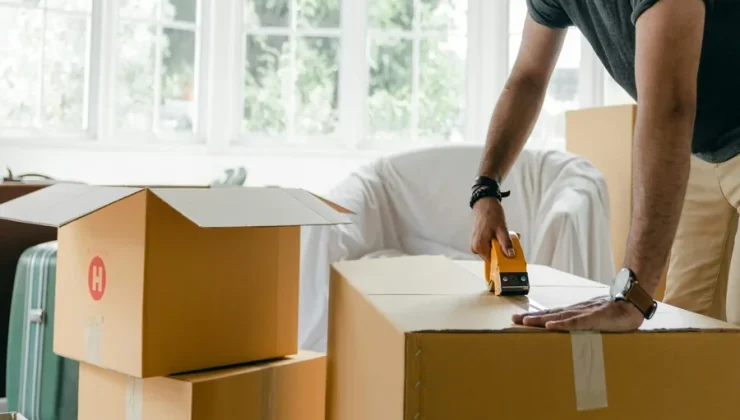
Transitioning household items into long-term storage requires planning, careful preparation, and an understanding of how different materials respond to long-term placement in enclosed environments. Many people turn to storage units when relocating, downsizing, renovating, or simply freeing up space at home. Still, successful long-term storage involves more than placing boxes into a unit and locking the door. Without proper techniques, items may become damaged by moisture, pests, dust, or temperature fluctuations. Taking the time to pack correctly, organize efficiently, and protect belongings ensures everything remains in good condition throughout the storage period. When done thoughtfully, long-term storage can help preserve the quality of personal possessions while reducing clutter at home.
Cleaning and Protecting Belongings Before Storage
One of the most important steps in transitioning household items into long-term storage is ensuring everything is thoroughly cleaned and dried before packing it away. Dust, dirt, and moisture may seem harmless during the move, but over time, they can lead to mold, unpleasant odors, or permanent stains. Furniture should be wiped down, fabrics washed and fully dried, and appliances disinfected to prevent microbial buildup. This preparation protects items and keeps the storage environment fresher for longer durations. It also helps identify any existing damage that needs repair before placing items into storage, reducing the risk of deterioration. For people storing belongings after a move or home transition, this extra step makes it easier to unpack items in good condition later. As many families prepare for long-term storage in busy cities like San Antonio, TX, proper cleaning becomes even more important given the humidity and temperature fluctuations. Taking the time to prepare belongings thoroughly lays the foundation for long-term preservation and reduces the likelihood of unexpected damage.
Choosing the Right Containers and Supplies
The type of container used for long-term storage plays a major role in protecting household items. Plastic bins with secure lids offer better protection against moisture, dust, and pests compared to cardboard moving boxes, which can weaken over time. For fragile items, additional materials such as bubble wrap, soft padding, and dividers help reduce breakage. Delicate fabrics benefit from breathable garment bags, while documents and photos require acid-free folders to prevent yellowing or curling. Labeling each container clearly ensures smoother organization and makes it easier to locate items later without opening multiple boxes. Choosing the right supplies also includes selecting environmentally suitable packing materials—avoid newspapers that can transfer ink and materials that may trap moisture. Quality packing techniques help maintain the structural integrity of items during long-term storage. Investing a bit more in proper supplies at the beginning reduces complications and improves preservation over time.
Creating an Accessible and Efficient Layout
Organizing the storage unit effectively ensures that the space remains functional and safe throughout the long-term storage period. A strategic layout helps prevent items from being crushed or damaged and makes it easier to access when something needs to be retrieved. Large or heavy items should be placed at the back or along the walls to create a sturdy foundation. Lighter or more frequently accessed boxes should be put toward the front to avoid unnecessary shuffling. Leaving a walkway down the middle of the unit allows for convenient access without moving multiple containers. Shelving units can be added to keep items elevated off the ground and reduce the risk of moisture damage. The layout should also consider ventilation—avoiding overpacking allows airflow to circulate items. An organized and thoughtful setup ensures the storage unit remains manageable and reduces the stress of future access to belongings.
Protecting Belongings from Environmental Damage
Temperature control is one of the biggest concerns in long-term storage, especially in regions with extreme heat, cold, or humidity. High temperatures can warp wood, damage electronics, and cause adhesives to dry out, while freezing temperatures may make certain materials brittle. Humidity is particularly damaging, often causing mold, rust, and fabric deterioration. Climate-controlled storage units provide greater environmental stability by regulating temperature and moisture, protecting sensitive items such as furniture, artwork, instruments, and photographs. If climate control is unavailable, additional precautions are necessary. Using moisture absorbers, desiccant packets, or dehumidifying products can reduce the risk of condensation forming inside containers. Wrapping furniture in breathable covers rather than plastic prevents trapped moisture from becoming a problem. Periodic monitoring of stored belongings helps identify early signs of environmental damage. Ensuring that items remain dry and well-protected creates a safer long-term storage atmosphere.
Ensuring Items Stay in Good Condition Over Time
Even when belongings are packed correctly and placed in a stable environment, long-term storage still requires occasional maintenance. Periodic check-ins help identify pests, moisture buildup, or unexpected deterioration before the damage becomes serious. These visits also allow for reorganizing items if needed, rotating sensitive materials, or replacing moisture absorbers. Checking boxes and containers ensures they remain sealed and structurally sound. For electronics, occasional assessments help confirm that batteries have been removed and cables remain protected. Keeping an updated inventory also makes it easier to track what is stored, preventing items from being forgotten or neglected over time. Simple maintenance habits support long-term preservation and reduce the stress of discovering issues years later. Adequate care ensures stored belongings remain in good shape and ready for use when needed.
Transitioning household items into long-term storage requires proper cleaning, careful packing, strategic organization, and ongoing maintenance. Each step plays an important role in keeping belongings protected from moisture, pests, temperature fluctuations, and structural damage. Choosing the right containers, using appropriate packing materials, and organizing the unit for accessibility help improve the efficiency and safety of the storage process. Monitoring the environment and checking in periodically helps address issues before they become costly problems. When handled thoughtfully, long-term storage becomes a reliable way to preserve valuable belongings while freeing up space at home. Taking the time to prepare properly ensures that items remain in excellent condition and ready for use whenever they are needed again.