Singapore Green Plan 2030: A Sustainable Roadmap for the Future

Discover Singapore’s SG Green Plan 2030 and its roadmap for a sustainable future. Learn about renewable energy, green buildings, sustainable transport, biodiversity protection, and climate action initiatives shaping a greener, climate-resilient Singapore.
Singapore is taking bold steps to secure a sustainable future through its ambitious SG Green Plan 2030. Launched as a comprehensive national strategy, this plan addresses climate change, environmental sustainability, and resource efficiency. It reflects Singapore’s commitment to reducing carbon emissions, enhancing green spaces, and promoting sustainable living, while aligning with global environmental goals.
Understanding the SG Green Plan 2030
The SG Green Plan 2030 is a nationwide initiative aimed at transforming Singapore into a climate-resilient city. It sets clear targets across multiple sectors, including energy, transport, waste management, and urban development. The plan emphasises innovation, collaboration, and community participation, recognising that environmental sustainability requires collective effort.
Key areas of focus include clean energy adoption, sustainable urban planning, carbon footprint reduction, and water conservation. By integrating environmental priorities into national development, Singapore is positioning itself as a regional leader in sustainability.
Renewable Energy and Carbon Emission Reduction
A central pillar of the SG Green Plan 2030 is the transition to renewable energy. Singapore aims to expand solar energy deployment and explore emerging technologies such as floating solar farms and regional energy grids. The country is committed to reducing greenhouse gas emissions significantly, with a target of halving peak emissions by 2050.
The plan promotes energy efficiency in residential and commercial sectors, encouraging the adoption of smart grids, energy-saving appliances, and low-carbon technologies. These measures not only contribute to sustainability but also create opportunities for green jobs and economic growth in the clean energy sector.
Sustainable Transport and Mobility
Transport is a major contributor to carbon emissions, and the SG Green Plan 2030 outlines strategies to reduce reliance on fossil-fuel vehicles. Singapore is investing in public transport expansion, cycling infrastructure, and pedestrian-friendly urban designs to encourage greener mobility.
The plan sets ambitious targets for electric vehicle adoption, including increasing EV charging infrastructure across the island. By promoting public transit and low-emission vehicles, Singapore aims to achieve a cleaner, more efficient transport system that reduces traffic congestion and air pollution.
Green Buildings and Urban Planning
Urban sustainability is another key focus of the SG Green Plan 2030. The plan encourages green building design and the retrofitting of existing structures to improve energy efficiency. By incorporating sustainable architecture and renewable energy into urban planning, Singapore seeks to create resilient, environmentally friendly cities.
In addition, the plan promotes vertical greenery, rooftop gardens, and green corridors to enhance urban biodiversity and improve air quality. Integrating natural elements into urban spaces not only benefits the environment but also supports the well-being of residents by providing recreational areas and reducing urban heat.
Water and Waste Management
Singapore’s SG Green Plan 2030 also prioritises water sustainability and circular economy practices. The city-state continues to invest in technologies that enhance water efficiency, including desalination, rainwater harvesting, and wastewater recycling. These initiatives are critical for maintaining water security in a region with limited freshwater resources.
Waste management strategies focus on reducing landfill reliance, promoting recycling, and adopting sustainable consumption patterns. By advancing a circular economy, Singapore encourages responsible production and consumption, minimising environmental impact while fostering resource efficiency.
Biodiversity and Ecosystem Protection
Protecting natural habitats and biodiversity is a significant component of the SG Green Plan 2030. Singapore aims to preserve existing green spaces and restore degraded areas to support wildlife and plant diversity. National parks, nature reserves, and coastal ecosystems are being safeguarded through conservation programmes and community engagement.
The plan also promotes urban biodiversity, integrating green spaces into residential and commercial developments. This approach helps balance urbanisation with ecological sustainability, creating harmonious living environments that support both people and wildlife.
Public Engagement and Community Participation
The success of the SG Green Plan 2030 relies on active public engagement and behavioural change. Awareness campaigns, educational programmes, and community initiatives are designed to encourage individuals and businesses to adopt sustainable practices.
From reducing energy consumption at home to choosing public transport and supporting local green products, citizens play a crucial role in achieving national sustainability targets. By fostering a culture of environmental responsibility, Singapore aims to ensure that sustainability becomes a shared priority across all sectors of society.
Monitoring and Accountability
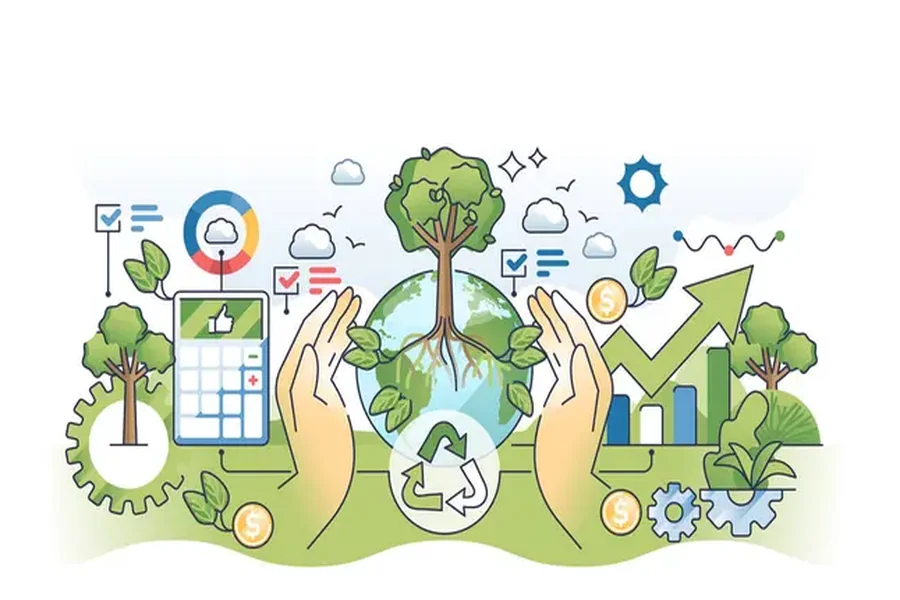
To track progress, the SG Green Plan 2030 includes clear performance indicators and monitoring frameworks. Government agencies, private sector partners, and community groups are encouraged to report on environmental initiatives, ensuring transparency and accountability.
Regular reviews allow Singapore to adapt policies and strategies in response to emerging challenges, technological advancements, and evolving climate goals. This dynamic approach ensures that the Green Plan remains relevant and effective throughout its implementation period.
Conclusion
The SG Green Plan 2030 represents Singapore’s ambitious vision for a sustainable, climate-resilient future. By focusing on renewable energy, sustainable transport, green buildings, water and waste management, biodiversity protection, and public engagement, the plan lays the foundation for long-term environmental stewardship.
Through collective effort and innovative solutions, Singapore is transforming into a model of sustainability for the region. The SG Green Plan 2030 not only addresses climate challenges but also enhances quality of life, strengthens the economy, and ensures that future generations inherit a cleaner, greener, and more resilient nation.