The Quiet Cash Machine Taking Over Main Street — And Why Savvy Investors Are Rushing In
Introduction
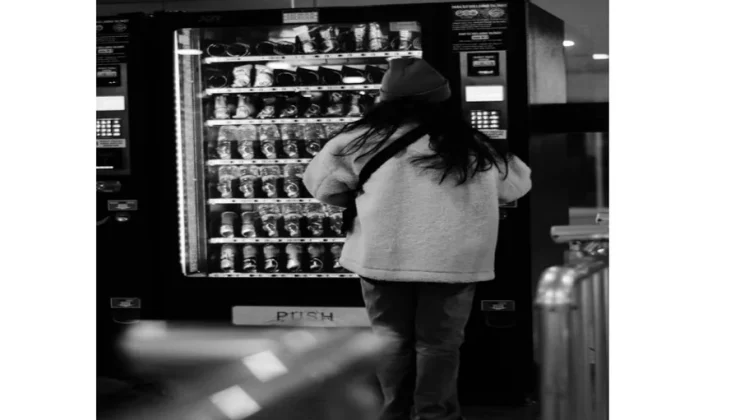
If you walk down any busy Main Street today, you’ll notice a subtle shift happening. It’s not loud. It’s not flashy. It doesn’t demand attention the way new storefronts or big retail chains do. Yet it is undeniably present, quietly claiming its share of foot traffic and turning casual consumers into consistent customers. This shift isn’t powered by a new restaurant concept or a trendy boutique. It’s driven by something far simpler, far leaner, and—if we’re being honest—far smarter.
It’s the rise of the modern vending machine.
Long gone are the days when vending machines offered little more than stale chips or lukewarm soda.
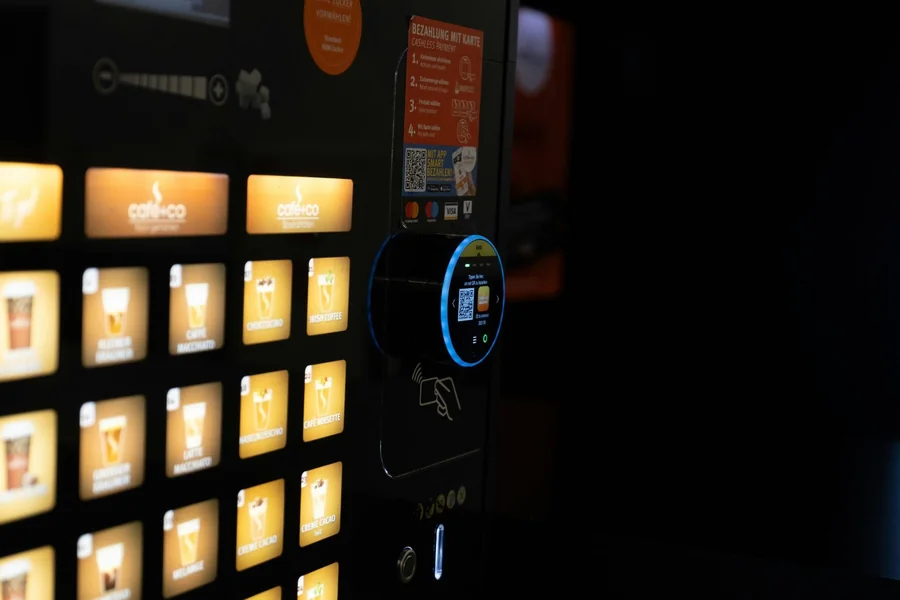
Today’s machines are sleek, digital, data-powered, and stocked with items that reflect the evolving needs of consumers. They serve everything from premium beauty products to tech accessories, healthy snacks, artisanal beverages, toys, local goods, and even high-end convenience items shoppers never knew they needed until the moment they saw them behind glass.
Suddenly, vending machines are no longer just fillers for empty hallways. They’ve become Main Street’s quietest yet most lucrative micro-retailers, creating a new kind of opportunity—one that smart investors are diving into headfirst.
This isn’t a trend. It’s a transformation. And if you’ve been wondering whether it’s time to learn how to invest in vending machines, you’re not alone.
To understand why investors are rushing in, you have to understand what’s changed—and why the vending machine of today is nothing like the vending machine you remember.
The Vending Machine Reinvention Nobody Saw Coming
Innovation rarely announces itself loudly. Most of the time, it starts small—an improvement here, an upgrade there—until one day, it becomes undeniable. The vending machine industry has been quietly evolving for years, but only recently has the average person begun to recognize its potential.
One of the biggest catalysts for this shift was consumer behavior. Today’s shoppers are impatient. They want what they want, when they want it. Traditional stores take time. Even the simplest purchase can turn into a five-minute wait. And while online shopping promises convenience, it demands patience—something fewer people are willing to tolerate.
This is where vending machines thrive. They eliminate the wait, skip the sales pitch, avoid the crowds, and offer a frictionless buying experience. They’re like mini storefronts available 24/7, operating without staff, delivering instant gratification in seconds.
Investors saw the writing on the wall. As more people sought convenience, the demand for quick-access retail surged. Vending machines filled the gap. And in the process, they transformed themselves from old-school snack dispensers into highly profitable automated businesses with modern efficiency and irresistible margins.
While major industries struggled with staffing shortages, rising labor costs, and unpredictable economic swings, vending machines stayed resilient. They didn’t need employees. They didn’t require complex leases. They didn’t rely on foot traffic alone. They simply stood there—quiet, consistent, and surprisingly powerful.
Why Investors Are Pouncing on This “Quiet Cash Machine”
Spend ten minutes with a seasoned vending investor, and you’ll hear the same story repeated again and again: “I never expected this business to take off like it did.”
That’s because vending machines play by an entirely different set of rules compared to traditional investments. They don’t demand a massive upfront cost. They don’t require sophisticated operations. And they don’t lock you into long-term headaches. Instead, they offer something rare in today’s unpredictable economy: simplicity.
A single machine, placed in the right location, can operate almost entirely on its own. Stock it, maintain it, monitor it, and watch the revenue grow. That’s why so many investors are suddenly interested in learning how to invest in vending machines. They’ve realized that these machines deliver the one thing every investor craves—cash flow.
Unlike real estate, vending machines don’t require years to recoup your investment. Unlike franchises, they don’t come with costly fees or endless rules. And unlike the stock market, they don’t swing wildly based on global events.
In many ways, they are Main Street’s most dependable cash-producing asset. And they sit quietly between barbershops, salons, school halls, shopping centers, hospitals, office buildings, gyms, and community hubs—working around the clock without ever asking for a day off.
Savvy investors aren’t attracted to vending machines because they’re glamorous. They’re attracted because they’re efficient. Predictable. Scalable. And in an age where financial security feels increasingly fragile, that steady flow of revenue is impossible to ignore.
The Surprising Power of the Right Product in the Right Location
If there’s one secret behind the vending boom, it’s this: the product-location match.
A vending machine is only as strong as what it offers and where it sits. Operators who understand this are the ones thriving. Parents in schools want toys and low-cost treats that spark joy. Professionals in office towers want caffeine, energy boosters, and grab-and-go snacks. Fitness centers want protein bars and electrolyte drinks. Hospitals want comfort items and small essentials patients forget at home. Tourist hubs want novelty goods and quick-fix accessories for travelers.
Every location has a story, and every consumer group has its own predictable needs. When a vending machine is placed thoughtfully, it becomes part of the daily rhythm of the people who walk by it. And when it meets their needs consistently, it becomes a must-stop convenience they rely on without even thinking.
That is the beauty of vending. It merges consumer psychology with automation. When a machine aligns with its environment, it becomes a silent salesperson, always ready, always available, always profitable.
This deeper understanding of placement is also why investors are researching not only how to invest in vending machines, but how to choose the right ones, how to analyze traffic patterns, and how to partner with teams that specialize in turnkey vending operations. They aren’t guessing. They’re strategizing.
Why This Industry Feels “Recession-Resistant”
Certain industries thrive only in good economic conditions. Others crumble when consumer spending tightens. But vending machines? They live in an entirely different category.
When times are tough, people still buy snacks, drinks, affordable treats, and everyday essentials. They may cut back on big purchases, but they still grab a quick pick-me-up. They still buy useful items on the go. They still rely on convenience.
Vending thrives in this environment because it offers low-cost comfort and high-need products. In uncertain times, consumers gravitate toward small, affordable, spontaneous purchases. And vending machines capitalize on exactly that type of behavior.
This stability is one of the biggest reasons investors see vending as a desirable micro-business. It keeps producing even when the broader economy stumbles. And with its low overhead and predictable demand, vending delivers something that’s hard to find in any other business model: resilience.
When other industries were facing closures, layoffs, and shrinking margins, vending simply kept doing what it always does—quietly generating steady revenue.
The New Generation of Vending Investors
Years ago, vending was seen as something only local operators did—people who had the time to manually run machines across town. But that perception has completely changed.
Today, the vending industry is attracting an entirely new class of investor. People who already own businesses. People who want passive income. People exploring semi-retirement. Younger investors who want an accessible first business. Real estate owners who want to add vending machines to their properties for additional revenue streams. Even influencers and creators who want local, low-maintenance businesses beyond digital platforms.
What unites them is their desire for cash flow without complications.
They aren’t interested in complex operations or high-risk plays. They want an opportunity that doesn’t require a massive learning curve. And vending fits that perfectly.
The best part? Unlike most industries, vending welcomes newcomers. You don’t need a specific background to succeed. You don’t need corporate experience. You don’t need a large team. What you need is the curiosity to learn how to invest in vending machines strategically and the willingness to partner with the right experts.
The industry’s barrier to entry is low, but the potential rewards are high. That combination has sparked a wave—one that shows no signs of slowing down.
How Vending Became One of the Smartest Entry-Level Investments of the Decade
If you analyze the landscape of small business opportunities today, one thing becomes painfully clear: most require a tremendous amount of work, time, and capital just to get started.
Vending flips that script entirely.
It lets investors start small—one machine, one location, one product set—and scale upward as revenue grows. It allows experimentation. It invites creativity. It rewards strategic thinking and good placement, not high budgets.
Because vending machines operate independently, they give owners the freedom to grow at their own pace without sacrificing their day job or personal commitments. It’s one of the only businesses where the operator sets the rules, controls the inventory, determines the growth speed, and maintains full ownership from day one.
This is what makes vending such an appealing first investment. It teaches passive income, operational thinking, sales psychology, consumer behavior, and business management—all through a simple, automated storefront that never sleeps.
For investors who want real-world experience with low risk, vending is the perfect gateway into entrepreneurship. And for seasoned investors looking to diversify, it’s an unbeatable way to add a high-cash-flow asset to an existing portfolio.
The Future of Main Street Belongs to Automation
Walk into any major city and you’ll see them—high-tech vending systems selling everything from phone chargers to premium skincare. But what’s truly fascinating is how rapidly vending is expanding beyond city centers and into small towns, suburbs, transportation hubs, tourist areas, and local community spaces.
The more convenience people want, the more vending grows. And with automation becoming the new norm, Main Street is gradually transforming into an ecosystem where machines and micro-retail coexist with traditional businesses.
This shift isn’t replacing human entrepreneurship. It’s enhancing it. By offering an affordable entry point, vending empowers everyday investors to participate in the retail economy without the typical barriers that hold most people back.
This is why the phrase “quiet cash machine” is so fitting. These machines don’t need noise to make an impact. They don’t need advertising. They don’t need staff. They simply need a location, a product selection that resonates, and an investor who understands the power of convenience.
Investors who recognize this shift now—the ones studying how to invest in vending machines with clarity and strategy—will be the ones ahead of the curve as the industry continues to expand.
Why Now Is the Best Time to Enter the Vending Market
Timing matters in business. And the vending industry is entering one of the strongest periods in its history.
Consumer preference for quick access is at an all-time high. Cashless transactions have become the standard. Property owners want value-added services for their spaces. Landlords love vending because it boosts foot traffic appeal. Schools lean on vending for convenience. Offices treat it as an employee perk. Gyms see it as a necessity. Hospitals depend on it as a lifeline for visitors.
Everywhere you look, the demand for automated retail is rising. And the investors who step into the industry now are stepping into a wave of growth that will continue for years to come.
It’s rare to find a business that is simple, scalable, and adaptable across nearly every demographic and location. Yet vending offers exactly that—and more. It’s a business built for the modern world, powered by data, driven by convenience, strengthened by automation, and proven to produce results.
That’s why investors aren’t just buying machines. They’re building portfolios.
The Bottom Line: Vending Machines Are Quiet, But Their Potential Is Loud
Once upon a time, vending machines were an afterthought. Today, they are becoming one of the most intriguing, accessible, and profitable opportunities in the modern investment landscape.
They don’t shout for attention, but they capture it anyway. They don’t demand constant management, yet they deliver reliable returns. They don’t need staff, storefronts, or complicated systems, but they operate like fully functional micro-retail businesses that never close.
For investors seeking a low-risk, high-reward business model that thrives on convenience, automation, and real-world demand, vending machines represent a rare kind of opportunity—one that’s hiding in plain sight on Main Streets across the country.
Whether you’re a first-time investor or an established business owner exploring new revenue streams, now is the time to learn how to invest in vending machines and position yourself for the next wave of automated retail growth.
The quiet cash machine has arrived. And smart investors aren’t just watching—they’re rushing in.