Common Applications of Closed Cell Foam in Construction and Industry
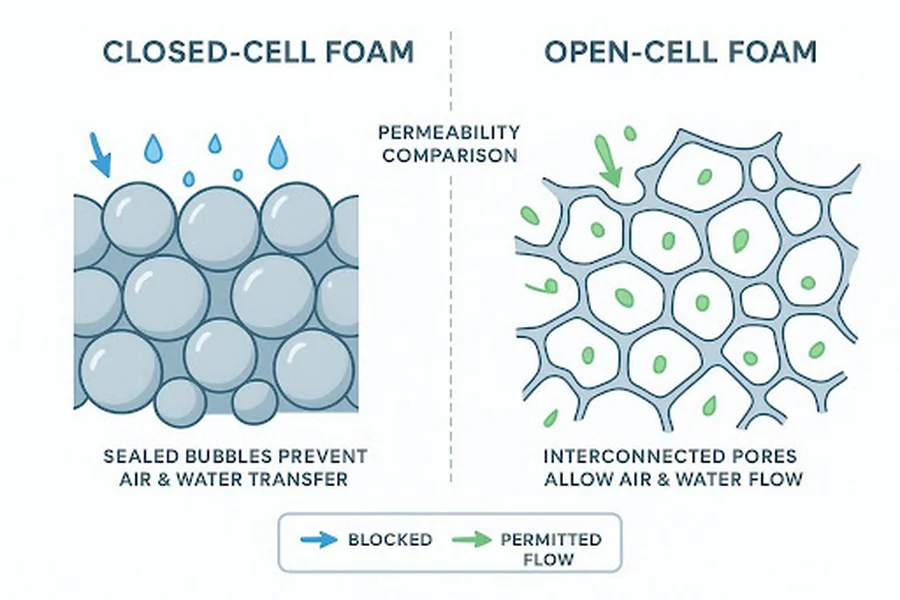
Closed-cell foam is a very flexible material with a special internal structure made of tightly packed, sealed cells. These cells are filled with gas and do not connect to each other, which makes the foam resistant to liquids and gases.
This natural resistance to water, air, and gas, along with its higher stiffness and long life, makes closed cell foam a key material in many construction and industrial uses. It is often chosen where high insulation, strong impact protection, and strong water resistance are needed, especially in areas where performance and long service life matter most.
From insulating building walls to protecting fragile electronics in shipping, closed-cell foam serves many important roles. It holds its shape under stress, resists many chemicals, and handles extreme temperatures, which makes it a trusted material for many engineers and builders.
This article looks closely at closed-cell foam, explaining its basic features, the main advantages it offers, and the wide range of ways it is used to support efficiency, safety, and comfort in everyday life.
What Is Closed Cell Foam and How Does It Work?
Closed-cell foam is defined by how its cells are built. You can think of it as many tiny, separate bubbles, each one sealed and filled with gas, pressed closely together but never touching internally.
This structure gives closed-cell foam its special features. Unlike open-cell foam, which has connected pores that let air and water pass through, closed-cell foam forms a solid barrier to outside elements.
This tightly packed, non-porous surface offers strong resistance to water, air, and gas getting in. When the foam is compressed, the sealed cells spread the pressure evenly, allowing it to fill gaps and form tight seals while keeping its strength.
This strong internal design also leads to higher density and better compressive strength than open-cell foams. The gas trapped inside the cells also gives closed-cell foam very good thermal insulation (high R-values), which helps control temperature effectively.
Benefits of Using Closed Cell Foam in Construction and Industry
The benefits of using closed-cell foam in building and industrial work come directly from its cell structure. One of the most important advantages is its high resistance to moisture. Because its cells are sealed, water cannot move through the material. This makes it an excellent choice for damp areas or wherever waterproofing is needed. It also works well as a vapor barrier, blocking moisture vapor and lowering the risk of condensation, mold, and corrosion.
Closed-cell foam also provides strong thermal insulation. The gas trapped in the cells slows heat transfer, giving it a high R-value and helping reduce energy use in buildings and processes. Its dense makeup also gives it good stiffness and compressive strength, so it can handle heavy loads and keep its shape. This leads to longer service life and fewer repairs.
On top of that, closed-cell foam helps reduce noise and vibrations, improving comfort in vehicles and aircraft and reducing wear on machines by softening vibrational forces. Its light weight, strength, and resistance to many chemicals make it a flexible and efficient material for today’s manufacturing needs.
For companies in need of quality materials for such applications, Chem-Craft provides a wide range of high-performance chemical products tailored to meet industry demands.
Common Applications of Closed Cell Foam in Construction
In construction, where strength, energy savings, and structural stability are key goals, closed-cell foam has become a very important material. Its specific features help solve some of the hardest problems in modern building work, supporting better performance and longer-lasting structures.
Building Insulation: Walls, Roofs, and Floors
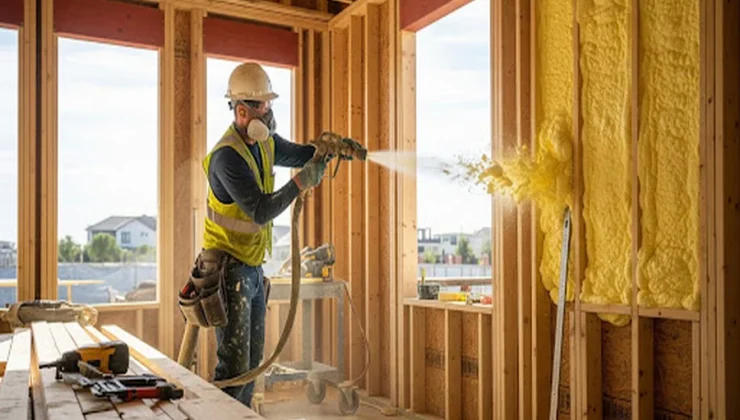
Insulation is one of the most common uses of closed-cell foam in buildings. Whether sprayed into wall cavities, installed on roofs, or placed under floors, it creates a strong thermal envelope. Because of its high R-value, linked to the trapped gas in its cells, it reduces heat transfer very well. This helps buildings stay warmer in winter and cooler in summer, cutting energy bills and improving indoor comfort.
In walls, closed-cell foam blocks outside temperatures and reduces heat loss or gain. On roofs, it not only insulates but can also support the roof structure. Under floors, it limits heat loss to the ground and acts as a moisture barrier, which is especially helpful in basements or crawl spaces. Using closed-cell foam in all these areas supports building energy efficiency and helps meet strict code requirements.
Air Barriers and Gap Filling
Because it is sealed, closed-cell foam is excellent for creating airtight seals and filling gaps. Reducing air leaks is important for indoor air quality and thermal performance. Closed-cell foam expands to fill irregular spaces and seals cracks, voids, and openings around windows, doors, pipes, and cables in the building shell. This creates a continuous air barrier that stops drafts, limits uncontrolled air flow, and helps keep pests out.
When placed between two matching parts, like bolted flanges on plastic tanks or sheet metal housings, closed-cell foam fills the gap and stops air and water from passing through, forming a strong protective barrier. This precise sealing ability is especially useful in settings where accuracy and repeatability matter.
Vapor Barriers and Waterproofing Systems
Because it does not allow water and moisture vapor to pass through, closed-cell foam is widely used in waterproofing and as a vapor barrier. Unlike open-cell materials that soak up water, closed-cell foam sheds water. This makes it ideal for wet or outdoor conditions, such as foundations, below-grade walls, and marine structures where it may be used as flotation billets or inside boat hulls.
By limiting moisture vapor movement, closed-cell foam helps prevent condensation in wall and roof cavities, lowering the risk of mold, decay, and rust in structural parts. This supports the long-term health of the building and a healthier indoor space. Builders also use it under houses for waterproofing and to keep foundations dry and stable.
Thermal Breaks and Fenestration Systems
Thermal bridging occurs where heat moves through more conductive building parts, bypassing insulation. Closed-cell foam is often used as a thermal break to interrupt these heat paths and keep insulation continuous. This is especially important around windows and doors, where frames and gaps can be major sources of heat loss or gain.
By placing closed-cell foam in or around window and door frames, builders can reduce heat flow through these areas, improving the building’s overall thermal performance. This helps keep temperatures steady indoors, reduces demand on heating and cooling systems, and can lower energy costs.
Soundproofing and Vibration Damping in Buildings
While mainly known for thermal and moisture control, closed-cell foam also helps with sound and vibration control. It can be used in walls, floors, and ceilings to reduce noise between rooms or from outside. Its dense structure absorbs and blocks sound waves, making spaces quieter.
Closed-cell foam is also used in vibration pads and isolators for equipment, floor systems, or mechanical mounts. This helps limit vibrations from machinery or foot traffic, improves comfort for building occupants, and can extend the life of equipment by reducing vibration-related wear.
Industrial Uses of Closed Cell Foam
Outside construction, closed-cell foam supports many industrial uses. Its strength, impact resistance, and stability under tough conditions make it a popular choice for engineers and product designers who need reliable, high-performance materials.
Automotive and Aerospace: Lightweight, Durable Components
Automotive and aerospace engineers look for materials that are light yet strong to improve fuel efficiency and performance. Closed-cell foam fits these needs well. In cars, it is used in seat padding, headliners, door seals, and other interior parts, helping with comfort and reducing noise, vibration, and harshness (NVH). By absorbing sound and softening vibrations, it improves the ride and protects vehicle parts from stress.
In aircraft, the low weight of closed-cell foam is key to fuel savings. It is used in light structural parts, honeycomb cores, and sandwich panel cores. Its resistance to liquids and gases makes it suitable for gaskets and seals in fuel and hydraulic systems. Closed-cell foam also helps insulate aircraft against temperature swings and supports cabin comfort.
Packaging and Shipping Protection
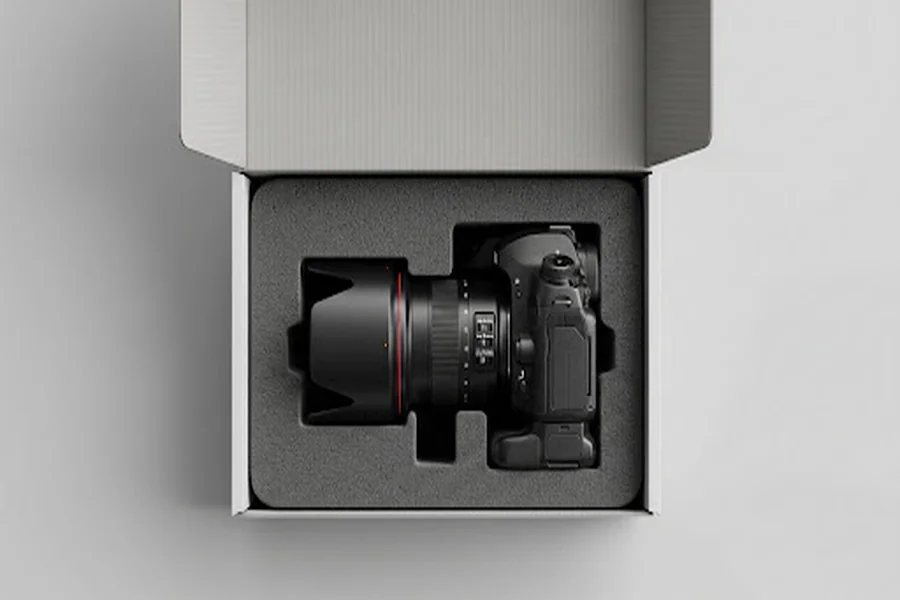
For protecting valuable or fragile items during shipping and storage, closed-cell foam is a very effective packaging material. Its dense yet light structure offers strong shock absorption and cushioning, protecting electronics, medical devices, and precision tools from impact damage. Custom inserts, often made from EVA foam, can be cut to match specific product shapes for a tight, secure fit.
Closed-cell foam also stands up well to water, chemicals, and oil, keeping stored goods safe, even in harsher environments. Because it is durable and reusable, it can reduce waste compared with single-use packaging materials, supporting more sustainable shipping practices.
HVAC Applications: Gaskets, Seals, and Insulation
The HVAC (Heating, Ventilation, and Air Conditioning) industry uses closed-cell foam in many ways to improve efficiency and reduce energy loss. It is often used to insulate ductwork, helping keep air at the right temperature as it moves through a system. This cuts energy use and improves comfort.
Closed-cell foam is also used for insulation in coolers, freezers, and cold rooms, where steady temperatures are necessary. Its ability to form tight seals helps prevent cold air leaks. It is also found in air handler cabinets and used as gaskets and seals around system joints, helping reduce noise and vibration and blocking moisture that could lead to mold.
Marine and Outdoor Equipment: Moisture Barriers
Closed-cell foam is naturally suited for marine and outdoor use thanks to its water resistance and buoyancy. In boats, its closed cells stop water from soaking in, even under pressure. This is important for flotation devices, decks, and foam placed in hulls to support buoyancy and safety.
For outdoor seating, marine cushions, and other gear, closed-cell foam stands up to sun, salt, and moisture. It keeps its shape and stays dry much better than many other materials, which helps products last longer in harsh outdoor conditions.
Machinery and Equipment: Vibration Isolation, Padding, and Seals
Industrial machines often create a lot of vibration and noise, which can wear down parts and reduce comfort for workers. Closed-cell foam is used under machines and components as pads and isolators to reduce vibration. By cushioning and separating parts, it helps keep equipment aligned and working properly.
It also serves as a sealing material in machinery housings, covers, and access panels. Closed-cell foam gaskets keep out dust and moisture and help limit energy loss caused by vibration. Because it holds its shape in tough conditions, including extreme temperatures, moisture, oils, and cleaners, it is a strong choice for long-lasting seals and gaskets.
Specialty and Sector-Specific Applications
Closed-cell foam also fills important roles in more focused areas, where its specific features provide unique advantages. These uses range from improving comfort and health to protecting sensitive devices and systems.
Healthcare Products: Support and Sanitation
In healthcare, closed-cell foam is valued because it does not absorb fluids, is durable, and can still feel comfortable. It is widely used in prosthetics, orthotics, and brace padding, where it offers support and cushioning while staying clean. Because it does not soak up liquids, it is easier to keep sanitary in clinical settings.
Its resistance to many cleaning chemicals allows medical staff to wipe down and disinfect these products without damaging the foam. This combination of comfort, support, and easy cleaning makes closed-cell foam very useful in medical environments.
Sports and Protective Equipment
Many sports and safety products depend on the impact protection that closed-cell foam provides. It is used in helmets, body pads, shin guards, mats, and many other protective items. Closed-cell foam absorbs and spreads out impact energy, which helps lower the chance and severity of injuries from falls or collisions.
Because it is tough, gear made with closed-cell foam continues to protect even after repeated hits and varied weather conditions. Its resistance to sweat and rain helps keep protective equipment dry, functional, and more hygienic.
Power Generation and Electrical Uses
Power generation and electrical systems require materials that are reliable and safe. Closed-cell foam helps in these settings by providing thermal insulation and by acting as a strong sealing material. It is often used in gaskets and seals in electrical enclosures to keep out dust and moisture, which can cause shorts or corrosion.
Its vibration control qualities are also useful for equipment in power plants and electrical rooms. By reducing vibration, closed-cell foam can help extend equipment life and keep systems running smoothly.
Selection Criteria for Closed Cell Foam Applications
Picking the right closed-cell foam is not a single standard choice; it depends on the job it has to do. You need to look at both the properties of the material and the conditions where it will be used. Doing this helps the foam work well, meet the needed performance level, and follow any rules or standards that apply.
Material Properties and Performance Considerations
The way closed-cell foam performs is closely tied to its physical properties. Key factors include:
- Density: Higher-density foams are usually harder and can handle more compression, making them suitable for load-bearing uses or strong seals. Lower-density foams are softer and better for cushioning and flexibility.
- Polymer type: For example, EVA foam is flexible and good at absorbing impacts, useful in footwear and sports gear. EPS foam is more rigid and better suited for structural or insulation panels.
- Thermal insulation: R-value is important where temperature control matters. Different formulations can improve insulation performance or fire behavior.
- Water and chemical resistance: Some foams are made to resist harsh chemicals or long-term moisture, which is needed in harsh environments.
- Shock and vibration control: For machinery, vehicles, and protective equipment, the foam must handle repeated impacts and vibrations without failing.
Matching these properties to the requirements of the application helps get the best result from the foam.
Environmental and Regulatory Factors
Along with technical needs, environmental and regulatory issues play a big role in foam selection. Many companies are moving toward more sustainable options, so they may look for foams that can be recycled or are made using low-VOC production methods. The long life and reusability of closed-cell foam can also help reduce waste over time.
Many uses, especially in building, aerospace, food contact, and healthcare, must follow strict rules. This can include fire safety standards, chemical content limits, and hygiene requirements. For example, foams used in medical devices or food packaging must meet specific health and safety regulations. Understanding these rules ahead of time helps make sure the chosen foam both performs well and meets all needed approvals.
Installation and Best Practices
Even high-quality closed-cell foam will not give the best results if it is installed poorly. How the foam is handled, applied, and maintained has a major effect on how well it works over time in buildings and industrial systems.
Proper Handling and Application Methods
The way closed-cell foam is installed depends on whether it is spray foam, sheet material, or custom-cut pieces.
- Spray foam: Two components (an ISO and a resin) are mixed and sprayed onto surfaces, where the foam quickly expands to fill gaps and form a tight seal. Installers need correct training and equipment to get even coverage, the right thickness, and proper mixing ratios. Surfaces should be clean, dry, and prepared as the manufacturer instructs for good adhesion.
- Sheets and cut parts: For gaskets, seals, pads, or insulation boards, accurate measuring, cutting, and fastening are key. The foam should fit closely and compress evenly between mating parts to block air or water. Using the right adhesives, fasteners, and installation temperatures, according to the manufacturer, helps prevent premature failure.
Maintenance and Longevity
One of the main strengths of closed-cell foam is that it generally lasts a long time with little upkeep. Unlike some loose-fill or fiber insulations, it does not settle or sag, so its performance remains stable. Its resistance to water, pests, and many chemicals also supports a long service life.
Even so, periodic visual checks are helpful, especially where foam may be exposed to impacts, high heat, strong chemicals, or UV light. In factories, you should confirm that the foam type used is suitable for any oils, solvents, or cleaners it may encounter. Outdoors, adding protective covers or coatings to exposed foam can further protect it from weathering and keep its appearance. By following good installation practices and doing occasional inspections, closed-cell foam can continue to perform well for many years.
Frequently Asked Questions About Closed Cell Foam Applications
As more industries use closed-cell foam, many common questions come up. Below are brief answers to some of the most frequent ones.
Is closed-cell foam always rigid?
No. While the closed-cell structure often makes foam firmer than open-cell types, flexibility depends on the base polymer and how it is made. EVA closed-cell foam, for example, is flexible and impact-absorbing, which is why it is popular in shoes and sports gear. EPS, on the other hand, is stiff and better suited for structural and packaging uses.
How does closed-cell foam support sustainability?
Closed-cell foam helps reduce energy use in buildings and vehicles by cutting heat loss and gain. Its long life means products do not need to be replaced as often, which reduces waste. In packaging, reusable foam inserts can replace single-use materials. Some producers also offer more eco-friendly formulas and recycling programs, which further lowers environmental impact.
Can closed-cell foam be used for soundproofing?
Yes. While many open-cell foams are better for pure sound absorption, closed-cell foam still helps reduce noise and vibration because of its density. It is widely used in cars, aircraft, and buildings to cut noise levels and isolate vibrations that could damage sensitive components.
What makes closed-cell foam suitable for wet environments?
Its sealed cells keep water from entering, unlike open-cell foam, which behaves more like a sponge. This water resistance makes it useful in marine products, below-grade building work, and any application exposed to rain, splashes, or high humidity. It also works well as a moisture and vapor barrier.
Is closed-cell foam safe for indoor use?
Yes, when installed correctly and allowed to cure fully, closed-cell foam is safe indoors. Many modern products are made without ozone-depleting blowing agents or other harmful substances. By sealing cracks and gaps, closed-cell foam can even help improve indoor air quality by reducing the entry of outdoor pollutants and limiting moisture problems that lead to mold. Always check that the foam you choose meets the relevant safety and environmental standards for indoor use.