Improving Comfort and Efficiency Through Modern Insulation Services
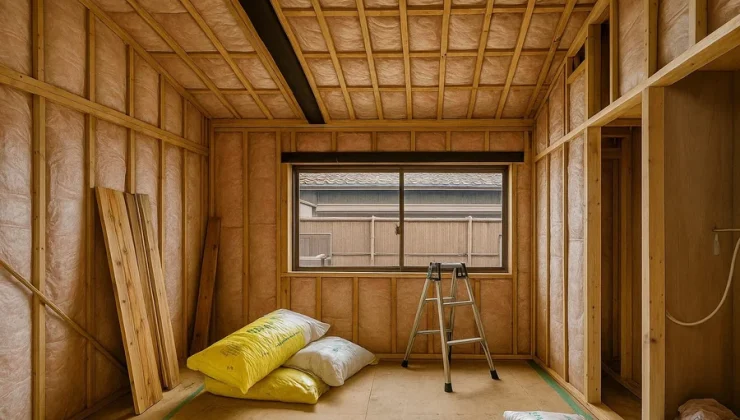
Insulation plays a quiet but influential role in how buildings perform throughout the year. It affects indoor comfort, energy use, and the consistency with which temperatures are maintained from room to room. Many property owners notice insulation issues only when problems arise, such as uneven heating, rising energy bills, or persistent drafts. Yet insulation works continuously behind walls, ceilings, and floors, helping regulate indoor conditions regardless of weather changes. As buildings age and usage patterns shift, insulation needs often change as well. Understanding how insulation services support long-term comfort and efficiency allows homeowners and commercial property managers to make decisions that improve daily living while supporting sustainable energy practices.
Why Insulation Shapes Everyday Living
-
How Insulation Influences Indoor Temperature Stability
Temperature stability is one of the most noticeable benefits of effective insulation. Without adequate insulation, heat moves freely between indoor and outdoor spaces, causing interiors to warm or cool too quickly. This constant exchange forces heating and cooling systems to work harder, leading to uneven temperatures and discomfort. Insulation slows this transfer, allowing indoor spaces to maintain a more consistent climate throughout the day. In residential settings, this means fewer cold spots in winter and reduced heat buildup during warmer months. For commercial buildings, stable temperatures support productivity by creating predictable indoor conditions. Insulation also helps reduce sudden temperature swings caused by outdoor changes, allowing occupants to experience a steadier and more comfortable environment year-round.
-
Energy Use and Regional Climate Considerations
Energy efficiency is closely tied to a building’s insulation, particularly in regions with extended cooling seasons. Warm climates place continuous demand on air conditioning systems, making insulation a critical factor in controlling energy consumption. Well-installed insulation reduces heat gain, helping cooling systems maintain indoor comfort without excessive operation. In areas where heat and humidity are persistent challenges, such as those served by insulation services in Houston, insulation strategies are often adapted to local climate patterns. This regional awareness supports better performance by addressing specific environmental pressures. Over time, reduced system strain can lead to more consistent energy use and improved operational consistency for homes and businesses.
-
The Role of Insulation in Moisture Control
Beyond temperature regulation, insulation also helps manage moisture movement within buildings. Moisture intrusion can cause discomfort, material deterioration, and indoor air quality issues if not properly controlled. Insulation materials and installation methods are often selected to reduce condensation by maintaining stable surface temperatures. When warm, humid air meets cooler surfaces, condensation can form, particularly in walls and attics. Proper insulation helps minimize these temperature differences, lowering the risk of moisture buildup. This function is especially important in regions with high humidity, where moisture management supports both comfort and structural integrity. Insulation services that address moisture dynamics contribute to healthier indoor environments and longer-lasting building materials.
-
A Focused View on Quiet Indoor Spaces
Insulation influences more than temperature and energy use; it also affects sound movement within and between spaces. Insulated walls and ceilings can reduce noise transfer from outdoors or between rooms, supporting quieter indoor environments. This benefit is often noticed in busy neighborhoods or multi-unit buildings where sound control contributes to daily comfort. By limiting the transmission of sound through structural elements, insulation helps create more peaceful living and working spaces. This focused perspective highlights how insulation supports comfort in subtle ways beyond thermal performance.
-
Upgrading Insulation in Existing Structures
Many existing buildings were constructed with insulation standards that no longer align with current performance expectations. Over time, insulation can settle, degrade, or become less effective due to structural changes. Upgrading insulation allows property owners to address these issues without altering the building’s appearance. Modern insulation services often involve assessing current conditions and identifying areas where performance has declined. Improvements may focus on attics, walls, or crawl spaces, where heat transfer is greatest. These upgrades support more consistent indoor conditions while helping buildings adapt to modern energy demands. Retrofitting insulation is a practical way to extend a structure’s functional lifespan while improving everyday comfort.
-
Long-Term Value and Building Performance
Insulation contributes to long-term building performance by supporting consistent energy use and reducing wear on mechanical systems. When heating and cooling systems operate under less strain, maintenance needs can become more predictable. This stability supports long-term planning for property owners by reducing unexpected fluctuations in energy consumption. Insulation also helps preserve interior finishes by minimizing temperature extremes that can degrade materials over time. As part of a broader building strategy, insulation services support efficiency, comfort, and durability without drawing attention to themselves. Their value becomes most apparent over years of steady performance rather than immediate visual change.
Insulation services provide a foundation for comfortable, efficient indoor environments by supporting thermal stability, energy efficiency, and moisture control. While often hidden from view, insulation influences how buildings respond to daily use and changing weather conditions. By addressing insulation needs thoughtfully, property owners can support consistent comfort and improved building performance over time. Rather than reacting to discomfort or rising energy use, proactive insulation decisions help create interiors that feel balanced and dependable. This long-term perspective positions insulation as an essential element of modern building care, supporting both comfort and sustainability in everyday living.