Key Factors that Influence the Cost of Building a Deck
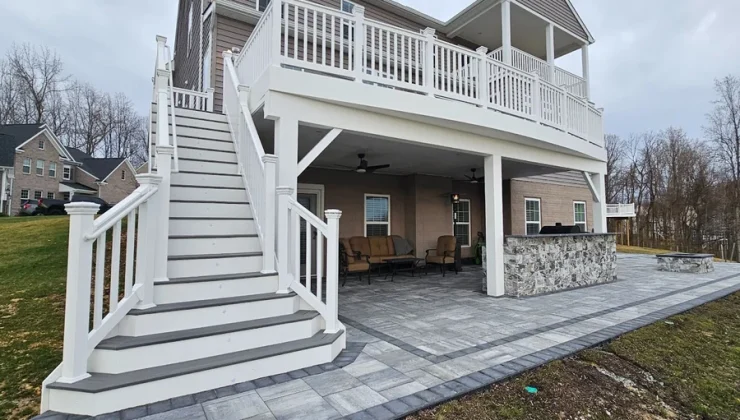
A deck adds beauty to a home and creates a perfect spot for family time or quiet evenings. It makes your outdoor space more useful while increasing the value of your property. Many people plan to build a deck without realizing how several factors can change the total cost.
Find out the cost of installing decks before you begin to plan your expenses wisely. The final price of a deck depends on size, material, labor, and design. Small details can affect the total cost more than expected. This article explains the main factors that decide how much you might spend when building a deck.
Material Choice and Quality
The type of material you use has a strong effect on the total price. Different materials vary in strength, look, and care needs.
- Pressure-treated wood: It is an affordable choice that lasts for years with care. It needs sealing or staining to prevent rot.
- Cedar or redwood: These natural woods resist insects and decay. They cost more than standard lumber but have a rich color and pleasant texture.
- Composite decking: It is made from wood fibers mixed with plastic. It costs more at the start but lasts longer and needs little care.
- PVC or aluminum decking: These are modern materials that resist water and fading. They can make the project more costly but save on maintenance later.
Choosing the right material depends on your budget, style, and how much time you can spend on care. High-quality material adds value to your home and reduces future repair costs.
Deck Size and Design Complexity
The size of your deck affects the amount of material and work required. A small, simple deck costs less than a large one. Complex designs with curves, stairs, or different levels raise expenses. Extra features such as built-in seating or planters also increase cost. Adding quality deck railings Edmonton homeowners trust can enhance safety and style, though it may slightly increase the overall budget. A simple square or rectangular design is easier to build. A clean layout helps control spending while still giving an attractive finish.
Labor and Installation Expenses
Labor is a large part of your total cost. Contractors usually charge per square foot. The price goes higher when the design needs more time or skill. If you need a permit or extra work on the ground, costs can rise. Skilled builders charge more but ensure the deck is safe. Poor construction can lead to damage later. It is smart to get price quotes from a few builders. Find out the cost of installing decks in your area to understand what fits your budget.
Site Conditions and Preparation Work
The state of your yard affects how much you will pay. Building on flat ground is easier and cheaper. If the land slopes or has rocks, it needs extra work. Removing bushes or old structures also adds to the cost. Some sites require strong bases or concrete posts for support. These are more expensive but necessary for safety. Checking your site before building helps you avoid extra surprises later.
Finishing Touches and Maintenance Costs
Small details complete the look of your deck. Items such as railings, steps, or lighting make the deck more useful but raise the cost. A coat of paint or sealant protects the surface from rain or sunlight. Wood decks need this care every few years. Composite or PVC decks cost more at first but need less attention later. Thinking about future maintenance can help you decide which option fits best.
Building a deck adds space and beauty to your home. The total cost depends on the materials, size, labor, and site conditions. By learning how each part affects your budget, you can plan with confidence. A well-planned deck can improve your lifestyle and give lasting value to your property.