What Homeowners Should Know About Maintaining Year-Round Comfort
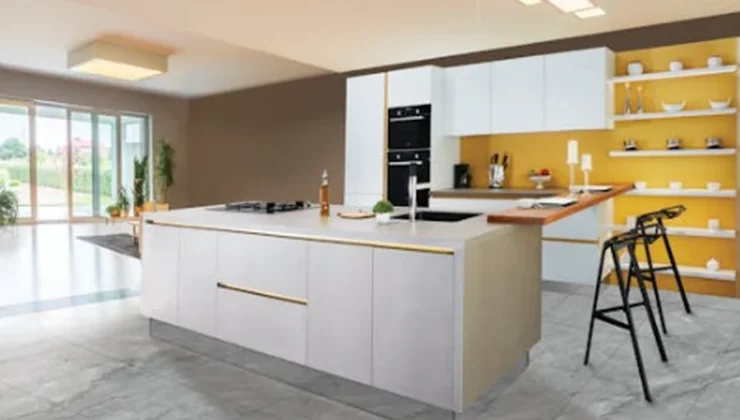
Is your home too hot in the summer, too cold in the winter, and somehow still drafty in spring and fall? If keeping your home comfortable feels like a full-time job, you’re not alone. Many homeowners across the U.S.—including those in places like Colleyville, TX—are learning that comfort is less about blasting the AC or cranking up the heat, and more about balance—and timing. It’s about smart updates, regular maintenance, and knowing when your systems need a little attention.
Comfort Isn’t Just About Temperature Anymore
We used to think home comfort meant setting the thermostat and hoping for the best. Now, with climate shifts creating hotter summers, unpredictable winters, and even smoky springs in some regions, temperature control is just one piece of the puzzle. Homes now have to handle moisture, allergens, and air quality in a way they never did before. And let’s not forget the rise of remote work, which means we’re spending more time at home—making comfort a daily necessity, not a luxury.
From energy-efficient windows to better insulation, small choices in design and technology affect how your home feels hour by hour. Many homeowners are realizing that staying ahead of the discomfort curve often means paying attention to systems before they break down. That includes heating and cooling. No one wants to find out the AC is busted during the first July heatwave. That’s why booking regular HVAC service in Colleyville, TX or wherever you live isn’t just smart—it’s essential preventive care. It keeps things running smoothly without those panicked last-minute repair calls when you’re sweating through your sheets or piling on sweaters inside.
Seasonal Transitions Are Sneakier Than You Think
Most of us prepare for winter or summer, but it’s the in-between seasons that tend to throw a wrench in our comfort plans. Spring and fall demand flexibility. Mornings might feel like February, but by midday, it’s full-on July. If your home can’t adapt quickly, you end up constantly adjusting your systems, wasting energy, and racking up bills.
Smart thermostats can help here, learning your habits and adjusting before you even realize you’re too hot or cold. But even the best tech needs a well-maintained foundation. If your ductwork is leaky, or if filters haven’t been changed in months, no smart gadget can make up for it. Regular checks before each major seasonal shift keep your systems ready to handle the swing.
Energy Efficiency Is the New Status Symbol
Forget granite countertops. In today’s world, the true bragging rights go to the homeowners whose utility bills are mysteriously low in both July and January. As energy prices continue to climb, people are finding that small adjustments like sealing gaps, adding insulation, or installing blackout curtains are not only good for comfort but also for their wallets.
It’s not just about money, either. There’s growing pressure—social and environmental—to reduce our carbon footprint. With home energy use being a huge contributor to emissions, keeping your house efficient has become a quiet way of doing your part. It’s like composting, but with better airflow.
Your Home’s Air May Be Dirtier Than You Think
We talk about outdoor pollution all the time, but indoor air quality is just as important—especially if you’re spending most of your time inside. From pet dander to dust mites to fumes from cleaning products, the air in your home can affect everything from sleep to allergies to long-term health.
Using HEPA filters, cleaning air ducts, and even investing in houseplants can improve the quality of air you breathe every day. Ventilation is key here. Homes that are sealed too tightly for energy reasons can trap pollutants inside. Balancing insulation with proper airflow ensures you’re not just warm or cool—but also breathing easier.
Maintenance Is Boring—Until It’s Not
There’s nothing exciting about checking your furnace filter or flushing out a water heater. But ignoring these small tasks often leads to much bigger, messier, and costlier issues. Think of it like flossing for your house. No one likes doing it, but it saves you from some very painful surprises later.
Setting a calendar reminder for quarterly checks can go a long way. It helps you catch problems while they’re still manageable. Things like worn seals, dirty coils, or outdated thermostats don’t cause chaos immediately, but over time, they pile up. Suddenly, your house feels drafty and your energy bill doubles—and you’re back to square one.
Comfort Tech Is Advancing—But You Still Need Common Sense
There’s a gadget for everything now: thermostats that talk to your phone, humidifiers that sync with your sleep patterns, and windows that tint themselves when the sun’s too bright. It’s easy to get swept up in the smart home trend. And while many of these tools can absolutely improve comfort, they’re not magic.
A home that’s drafty, poorly insulated, or has outdated systems won’t become cozy just because you installed a fancy app. Start with the basics. Make sure your home is structurally sound, sealed well, and ventilated properly. Then layer the tech on top. It’s like adding frosting after the cake has baked—otherwise, you’re just covering up problems with expensive sugar.
The Goal Isn’t Perfection—It’s Stability
Some homeowners chase the dream of a perfectly controlled indoor climate, but perfection isn’t realistic. What most people want is stability—a home that stays within a comfortable range no matter what’s happening outside. That doesn’t mean your home is always 72°F on the dot, but it does mean you don’t walk in and feel like you’ve entered a sauna or a freezer.
Reaching that kind of balance doesn’t require a massive renovation. It’s usually the result of consistent effort, smart choices, and knowing when to ask for help. Whether it’s calling a trusted professional to check out your system, adding weatherstripping to an old door, or just replacing your filters on time, the little things stack up.
In the end, year-round comfort is about more than reacting to the seasons. It’s about being proactive, paying attention to the details, and adapting to how we live now. As homes become our offices, gyms, and favorite restaurants, comfort matters more than ever. And while there’s no one-size-fits-all solution, there is a path toward a home that works with you—not against you.