DTF Printing: A Game-Changing Technique for T-Shirt Businesses
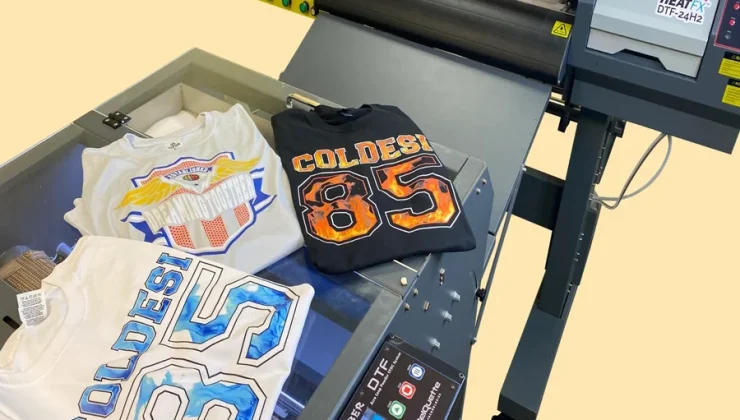
If you run a T-shirt business, you know how important it is to stand out. Customers want custom designs that look great and last a long time. That’s where DTF printing comes in. It’s a method that’s making waves in the industry. It lets you print vibrant colors on any fabric with ease. In this article, we’ll break it down step by step. We’ll cover what it is, why it’s useful, how to start, and tips to make it work for you. By the end, you’ll see why DTF could boost your sales.
What is DTF Printing?
DTF stands for Direct to Film printing. It’s a way to transfer designs onto T-shirts using a special film. The process starts with printing your design on a clear film sheet. You use an inkjet printer with DTF inks for this. The inks include white ink, which helps colors pop on dark fabrics.
Once the design is printed, you apply a powder adhesive to the wet ink. This powder sticks to the design and not the empty parts of the film. Then, you cure the powder in an oven or heat press. This step makes the adhesive ready for transfer.
To put the design on a T-shirt, you place the film face down on the fabric. You heat press it at a set temperature and time. Usually, it’s around 300 degrees Fahrenheit for 10 to 15 seconds. After pressing, you peel off the film while it’s still warm. The design stays on the shirt.
This method differs from screen printing or DTG. Screen printing needs screens for each color, which takes time. DTG prints directly on the shirt but works best on cotton. DTF works on cotton, polyester, nylon, and blends. It’s flexible for all kinds of materials.
The film is key here. It’s PET film, thin and strong. It holds the ink well and releases cleanly. The inks are pigment-based, so they don’t fade easily. Washing tests show DTF prints hold up after 50 washes or more.
Business owners like DTF because it’s quick to set up. You don’t need a huge workshop. A small printer, heat press, and curing unit are enough to start. Many shops use it for small runs, like 10 to 50 shirts. It saves money compared to outsourcing.
If you’re new to this, think about the supplies. You’ll need DTF film rolls, inks in CMYK plus white, adhesive powder, and transfer paper sometimes. Brands vary, but quality matters for good results.
Why Choose DTF for Your T-Shirt Business?
DTF printing offers real advantages for T-shirt sellers. First, it’s great for colors. The white ink layer lets bright designs show on black or navy shirts. No need for pre-treatment like in DTG. This means less prep time and fewer mistakes.
Durability is another big plus. The prints stretch with the fabric and don’t crack. Customers love that because their shirts last longer. It builds trust in your brand. You can offer guarantees, like “wash 50 times without fading.”
Versatility stands out too. Print on hoodies, bags, hats, or even shoes. This opens doors to more products. If a customer wants a custom tote, you can do it in-house. No waiting for suppliers.
Cost-wise, DTF shines for medium volumes. Per-shirt cost drops after the first few. A design setup is cheap, and you print on demand. Compare that to screen printing, where setup fees add up for one-offs.
Speed is a game-changer. From design to finished shirt, it’s under 30 minutes. That’s fast for custom orders at events or online shops. You can turn around same-day picks.
Eco-friendliness is growing in appeal. DTF uses less water than DTG. No screens mean less waste. Choose water-based inks to go greener. Customers ask about this more now.
For businesses, DTF means more profit. Charge $20-30 per custom shirt. Your costs might be $5-10. That’s a solid margin. Plus, it lets you offer unique designs that competitors can’t match quickly.
One downside is the learning curve. But once you get it, it’s smooth. Supplies can cost upfront, around $5,000 for basics. Still, it pays back fast if you sell steadily.
How to Get Started with DTF Printing
Starting with DTF doesn’t have to be hard. Follow these steps to set up.
First, pick your equipment. You need a DTF printer. Look for one that handles A3 or A4 sizes. Good models have RIP software for color management. Add a heat press that’s even and strong. A curing oven or conveyor dryer helps for powder.
Budget $3,000 to $10,000 depending on size. Small setups work for home businesses. Larger ones suit shops with high volume.
Next, get supplies. Stock DTF film, inks, and powder. Buy from reliable sellers to avoid clogs. Test small batches first.
Set up your workspace. Keep it clean and ventilated. Printers need stable power. Have a table for pressing and peeling.
Now, learn the process. Print a test design. Mirror it in software. Apply powder evenly. Cure at 250-300 degrees for 2-3 minutes.
Transfer to shirt. Clean the fabric first. Press at 320 degrees for 12 seconds, medium pressure. Peel hot for best release.
Practice on scraps. Adjust time and temp for your fabrics. Dark shirts might need longer cure.
Software is key. Use CorelDRAW or Photoshop for designs. RIP software like AcroRIP handles white ink layering.
Train your team. Watch tutorials or join forums. Hands-on practice beats reading.
Track costs. Log ink use per print. Aim for under $2 per design.
Scale up slowly. Start with local orders. Use social media to show samples.
For more gear and tips, check out dtflinko.com. They have solid options for beginners.
Tips for Success in DTF Printing
To make DTF work well, focus on details. Start with quality designs. Keep files at 300 DPI. Simple graphics print sharper than busy ones.
Ink maintenance matters. Clean heads daily to prevent clogs. White ink settles, so shake cartridges.
Powder application is tricky. Use a sieve for an even spread. Too much causes lumps; too little won’t stick.
Curing is crucial. Under-cure and it peels off. Over-cure and colors dull. Test your oven temps.
When pressing, use Teflon sheets to protect the platen. This keeps it clean.
For dark fabrics, add an extra white underbase. It boosts opacity.
Wash tests are a must. Do them before selling. Follow care labels: cold wash, inside out.
Customer service ties it in. Ask what they want. Offer proofs digitally.
Marketing helps. Post before-and-after photos. Run promos for first orders.
Track trends. Seasonal designs sell fast. Halloween tees or team jerseys.Common mistakes? Rushing peels. Wait till hot, or it sticks. Forgetting to mirror designs flips them wrong.Budget for extras. Wipers, gloves, and cleaners add up but save time.
Join communities. Reddit or Facebook groups share fixes. Learn from others’ errors.
With these, you’ll hit 95% success rates quickly.
Real-World Examples of DTF in Action
Take Sarah’s shop in Texas. She started with screen printing but switched to DTF last year. Now she does 200 shirts a week. Custom band tees fly off shelves. Her costs dropped 30%, and she added hats.
In LA, Mike runs an event business. DTF lets him print on-site. For a music fest, he made 100 shirts in hours. Customers loved the speed.
Online seller Jen in Florida uses DTF for POD. She designs pet portraits. Prints on various fabrics draw repeat buyers. Sales doubled in six months.
A school team in Ohio got jerseys via DTF. The coach said colors stayed bright after games. No fading like old methods.
These stories show DTF fits small ops to big ones. It’s about meeting needs fast.
Wrapping It Up
DTF printing is a smart move for T-shirt businesses. It brings vibrant, lasting designs without hassle. From setup to sales, it streamlines work. You’ll save time, cut costs, and please customers.
If you’re ready, start small. Invest in basics and practice. Watch your business grow.