How to Keep Your Belongings Safe During International Travel
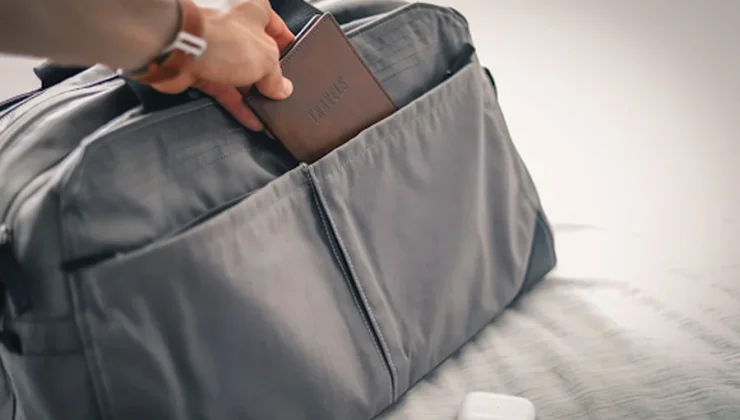
Losing your belongings while traveling abroad is a nightmare nobody wants to experience. Whether it’s your phone, passport, or favorite pair of sunglasses, theft and loss can turn an exciting trip into a stressful ordeal. The good news? Most travel mishaps are preventable with some simple preparation and awareness.
Every year, thousands of travelers fall victim to theft, pickpocketing, or simply misplacing their valuables in unfamiliar environments. But you don’t need to be paranoid or wrap everything in bubble wrap. With the right strategies, you can protect your belongings without sacrificing the joy of exploration. Let’s walk through practical ways to keep your stuff safe so you can focus on making memories instead of filing police reports.
Securing Your Electronics and Digital Devices
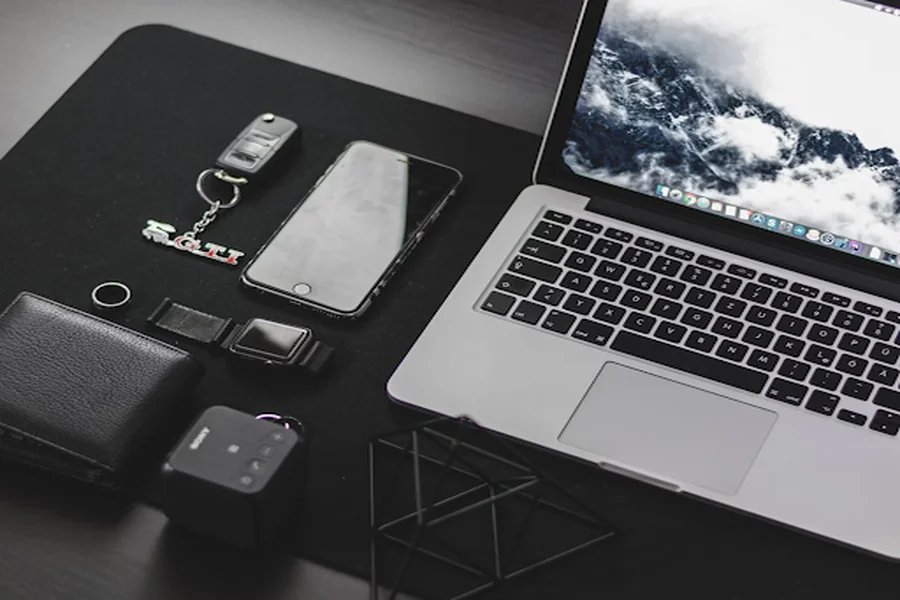
Your phone, laptop, and camera are probably among your most valuable travel companions. They’re also prime targets for thieves and vulnerable to damage during transit.
Pre-Travel Device Preparation
Before you even pack your bags, give your devices a thorough check. Look for screen cracks, battery issues, or anything that might fail you mid-trip. There’s nothing worse than your phone dying in a foreign country where you don’t speak the language.
If something’s not working right, get it fixed now. Seriously. Finding reliable Mobile Phone Repair services in an unfamiliar city is stressful, expensive, and time-consuming. Plus, you’ll have peace of mind knowing everything works perfectly before you leave.
Once your devices are in good shape, update all software, enable tracking features like Find My iPhone or Android Device Manager, and back up everything important to the cloud. Remove sensitive banking apps you won’t need, and make sure you’ve got screen lock passwords that actually work.
During Transit Protection
When you’re actually traveling, keep electronics in your carry-on bag—never check them. Invest in a quality protective case that can handle drops and spills. During security checks, keep your eyes on your devices at all times. It only takes a second for someone to grab your phone while you’re distracted removing your shoes.
Avoid public charging stations unless you have a data blocker. Those convenient USB ports can actually steal your information. Use a VPN on public WiFi, and consider a privacy screen if you’re working in airports or cafes. These simple habits dramatically reduce your risk.
Smart Packing Strategies for Valuables
How you pack can make or break your trip security. It’s not just about fitting everything in—it’s about strategic placement.
Separating Your Valuables
Never put jewelry, important documents, or medications in checked luggage. Ever. Airlines lose bags, and checked luggage gets rifled through more than you’d think. Keep your passport, credit cards, and emergency cash in multiple locations on your person.
Consider using a money belt or hidden pocket for your real wallet, and carry a “decoy wallet” with expired cards and a small amount of cash for high-risk situations. It sounds dramatic, but it works.
Anti-Theft Accessories That Actually Help
Those slash-proof backpacks with locking zippers aren’t just marketing gimmicks—they genuinely deter opportunistic thieves. RFID-blocking wallets protect your credit cards from electronic skimming. Small cable locks can secure your luggage to hotel furniture or train racks.
Luggage trackers like AirTags have become game-changers. Even if your bag goes missing, you’ll know exactly where it is. And those portable door locks for hotel rooms? They’re lightweight and provide real peace of mind in sketchy accommodations.
Staying Alert in Public Spaces
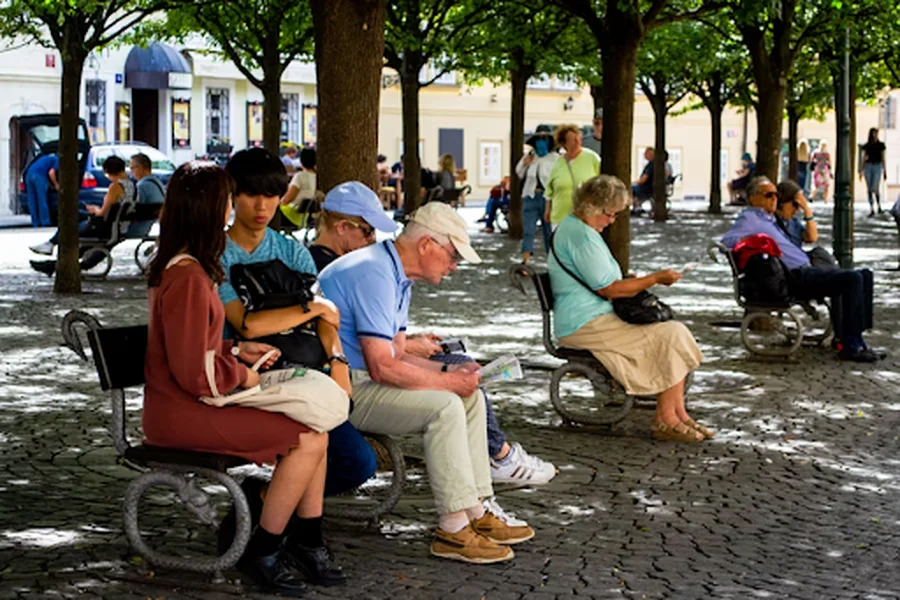
Your awareness is your best security system. Most theft happens because people get distracted or too comfortable.
Airport and Hotel Vigilance
Never leave your bags unattended—not even for a second to use the restroom or check a flight board. In cafes and restaurants, keep your bag on your lap or loop a strap around your chair leg. That “helpful” stranger offering to watch your stuff? They might be part of a distraction team.
When you check into your hotel, inspect the door locks and safe immediately. Take photos of your room before leaving valuables so you have proof of how you left things. Use the “Do Not Disturb” sign even when you’re out—it suggests someone’s inside.
Common Scams to Recognize
Thieves use distraction techniques everywhere. Someone “accidentally” spills something on you while their partner lifts your wallet. Fake police demand to see your passport and wallet. Street vendors create commotions while pickpockets work the crowd.
Trust your gut. If something feels off, it probably is. Walk away from uncomfortable situations, even if it seems rude. Your safety matters more than politeness.
Protecting Personal Care Items and Liquids
This might seem less critical than protecting your passport, but damaged belongings from leaking toiletries can ruin your trip too.
TSA Compliant Packing
Understanding liquid restrictions saves you hassle at security. Use leak-proof containers and always double-bag your liquids in ziplock bags. Keep them separate from electronics—one burst shampoo bottle can destroy your laptop.
Here’s a smart strategy: buy travel-sized products at your destination instead of packing full bottles. This reduces weight and eliminates the risk of leaks during transit.
Preventing Spills During Flight
Air pressure changes during flights cause containers to expand and leak. Place plastic wrap under bottle caps before screwing them tight. Put all liquids in the center of your luggage, cushioned by clothes. This way, if something does leak, it won’t immediately soak everything or damage electronics on the edges.
For travelers heading to humid destinations, consider that your regular hair products might not work as well in different climates. Instead of packing your entire hair care routine, purchase climate-appropriate products like shampoo singapore retailers offer at your destination. This approach not only protects your luggage from potential spills but ensures you have products better suited to local conditions.
Insurance and Documentation
Hope for the best, but prepare for the worst. Proper documentation makes recovery much easier if something does go wrong.
What You Need Before Disaster Strikes
Travel insurance isn’t just for medical emergencies. Good policies cover lost or stolen belongings too. Many credit cards include travel protection you might not even know about—check before buying separate insurance.
Create digital backups of everything important. Photograph your passport, visas, travel insurance, and credit cards. Email these to yourself and store them in the cloud. Keep physical photocopies separate from the originals. List the serial numbers of all electronics and valuables.
Save emergency contact numbers for your embassy, banks, and travel insurance company where you can access them offline. When panic sets in, you’ll be grateful for this preparation.
Conclusion
Keeping your belongings safe during international travel doesn’t require paranoia—just preparation and awareness. Check your devices before you leave, pack strategically, stay alert in public spaces, and have proper documentation ready. Most travelers never face serious theft, but those who take these precautions sleep better at night.
Start creating your security checklist now, before your next trip. Small efforts upfront prevent big headaches later. Travel should be about discovery and adventure, not worrying about your stuff. With these strategies in place, you can explore confidently and focus on what really matters—the experience itself.
FAQs
Should I carry my passport with me at all times while traveling?
Not necessarily. Keep it in your hotel safe when you don’t need it, but carry a photocopy and keep a digital backup on your phone. You’ll need the original for check-ins, border crossings, and some purchases, but daily sightseeing rarely requires it.
What should I do immediately if my phone is stolen abroad?
First, use another device to remotely lock and wipe your phone if possible. Contact your carrier to suspend service. File a police report for insurance purposes. Enable your backup phone or SIM card, and notify your bank if mobile banking apps were installed.
Are hotel safes actually secure for valuables?
They’re better than nothing but not foolproof. Use them for passports and backup cash, but consider keeping truly irreplaceable items on your person. Never leave the safe door open or write the code anywhere visible. For expensive jewelry, research hotels with safety deposit boxes at the front desk.
How can I protect my credit cards from being skimmed during international travel?
Use RFID-blocking wallets or sleeves to prevent electronic skimming. Choose chip-and-PIN over swiping when possible. Check ATMs for suspicious attachments before inserting your card. Set up transaction alerts on your phone and notify your bank of travel dates. Use credit cards instead of debit cards for better fraud protection.