Think Bed Bugs Get Under Your Skin? Here’s What They Do
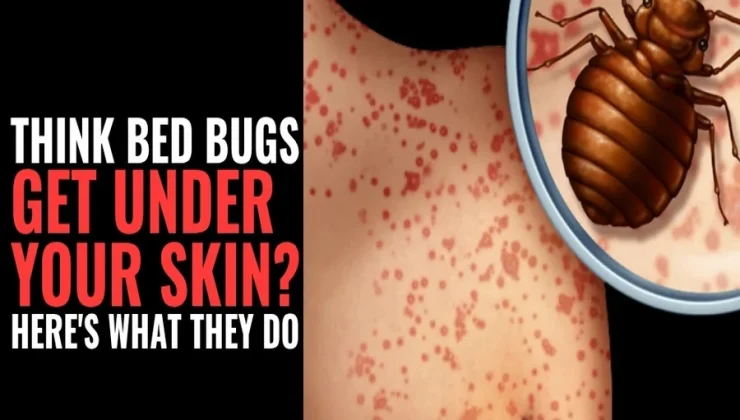
Ever feel itchy and wonder if something is crawling just beneath the surface? Many people believe they’re dealing with bed bugs under the skin, but that’s one of the most common bed bug myths. Understanding the real bed bug behavior can help clear up confusion and keep you focused on practical solutions. Keep reading to uncover the truth about bed bugs.
Do Bed Bugs Get Under Your Skin?
The idea that bed bugs burrow into the skin is a myth. They feed briefly at the surface and then return to hiding spots. The table below explains what bed bugs do and clears up common misconceptions:
| What Bed Bugs Do | What Bed Bugs Don’t Do |
| Bite at the skin’s surface | Burrow under the skin |
| Inject saliva to prevent clotting | Stay attached after feeding |
| Feed for a few minutes, usually at night | Lay eggs inside the body |
| Hide in beds, furniture, or wall cracks | Cause internal skin infestations |
Moreover, bed bug bites can trigger mild to moderate skin responses that vary by person. The following are common reactions you may notice:
- Red, itchy bumps: They appear often in clusters or lines, especially on exposed skin like arms, legs, neck, and face.
- Inflammation: Some experience inflammation around the bite.
- Delayed response: Symptoms may appear hours or days later.
- Minimal bleeding or scabbing: In some cases, scratching can cause light bleeding or irritation.
Nevertheless, these symptoms often resemble other conditions, such as:
- Mosquito or flea bites
- Allergic skin reactions
- Eczema or dermatitis
- Scabies
Understanding Bed Bug Behavior
Misunderstandings often arise from the bed bug behavior. Despite common misconceptions, bed bugs do not reside within the human body. The following describes bed bug behavior and where they tend to stay:
-
Feeding Habits
- Bed bugs feed at night while humans sleep.
- They pierce the skin briefly using small mouthparts to draw blood.
-
Hiding Places
- After feeding, they return to hiding spots like mattress seams, bed frames, or wall cracks.
- They do not stay on the skin or in clothing.
-
Movement
- Bed bugs crawl and avoid light, making them difficult to spot.
- Their ability to hide well contributes to delayed detection.
Additionally, these are the reasons their habits lead to misunderstanding:
- Bites develop hours later, making linking them to bed bugs hard.
- Skin reactions resemble other conditions.
- Their absence during the day makes people believe they stay under the skin. kaiyo
Debunking Bed Bug Myths: What’s Fact and What’s Fiction?
False information often makes it harder to deal with infestations. The following are some of the most frequent misunderstandings about bed bugs:
- Bed bugs infest dirty homes: They seek people, not dirt. They infest homes, hotels, offices, etc.
- Bed bugs spread disease: They cause discomfort but do not transmit diseases to humans.
- Bed bugs live under the skin: They feed on the surface and return to hiding areas. They do not live or remain inside the body.
While myths may distract from the truth, these are the actual concerns with bed bug infestations:
- Emotional stress and sleep disruption: Persistent bites and the fear of spreading bed bugs often lead to the following:
- Anxiety
- Trouble sleeping
- Feeling of embarrassment.
- Eradication takes effort: Bed bugs hide well and multiply quickly, making professional help essential.
What to Do If You Suspect Bed Bugs
Taking action immediately is essential if you think your home has bed bugs. Take the following steps as a guide for a thorough identification, treatment, and prevention:
-
Look for Common Signs
- Check for bites: Look for itchy, clustered bumps on exposed skin.
- Inspect sleeping areas: Examine seams, bed frames, and furniture for live bugs, reddish stains, or shed skin.
- Use tools: A flashlight and a magnifying glass help spot bugs hiding in tight spaces.
-
Take Immediate Action
- Isolate the area: Avoid moving infested items to other rooms. Seal bedding and clothing in plastic bags for washing.
- Clean thoroughly: Vacuum all affected areas and dispose of the contents in a sealed bag.
- Wash and heat-dry items: Launder all washable items in hot water and dry them on the highest heat setting.
-
Seek Professional Help
- Schedule an inspection: A pest control professional can confirm the infestation and assess its extent.
- Use proven treatments: Options include heat treatments, insecticides, mattresses, and box springs encasements.
-
Focus on Prevention
- Reduce clutter: This limits hiding spots and makes inspection easier.
- Inspect secondhand items: Always check furniture and luggage before bringing them inside.
- Monitor regularly: Use bed bug interceptors or traps to detect early future activity.
Don’t Let Myths Bite!
Despite the common fear, bed bugs under the skin is just a myth—they don’t burrow or live inside the body. Instead, they feed briefly and hide nearby, often unnoticed until the infestation grows. That’s why it’s essential to separate facts from fiction regarding bed bug behavior. The more you understand, the better prepared you’ll be to prevent or address an infestation. So, before you fall for misinformation, learn the truth. If you’re unsure what to believe, explore common bed bug myths in Texas and get the facts you need to take the right action.