Yard Pests That Trouble Homes in Long Beach
A calm yard can hide pest activity beneath the surface. Many homeowners notice problems only after damage spreads or insects appear indoors. Outdoor spaces attract pests that later move closer to living areas. Warm weather and coastal moisture add to the risk. This article explains which yard pests cause the most trouble, why they appear, and how they affect nearby homes. Understanding these patterns helps protect outdoor areas and indoor comfort before problems grow.
Many homeowners explore pest control in Long Beach options after yard pests become difficult to manage. Homes in Long Beach provide moisture, shelter, and food sources that attract pests. Yards serve as the starting point for many infestations. Knowing what lives outside helps residents act sooner.
Ant Activity That Starts Outdoors
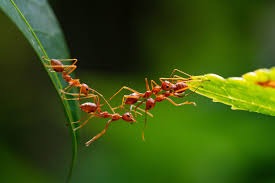
Ant problems usually begin in the yard before reaching the home. Soil, mulch, and plant roots offer ideal nesting spaces. In Long Beach, regular watering and damp ground support large colonies. Worker ants travel from outdoor nests toward indoor food sources. Small cracks near patios and doors make entry easy.
Ant trails usually appear along walkways or garden edges first. Over time, activity moves closer to kitchens and storage areas. Yard cleanup alone rarely removes underground nests. Early attention limits how far colonies spread in homes.
Rodents That Use Yards as Shelter
Yards provide rodents with cover and steady food access. Shrubs, compost areas, and wood piles create safe hiding spots. In Long Beach, mild nights allow rodents to remain active throughout the year. Rats and mice move from yards into garages and attics. Fence gaps and utility lines support easy movement.
Signs include burrows near fences and damaged plants. Indoor noises usually follow outdoor activity. Rodents adapt fast when conditions remain favorable. Many homes face repeat problems without yard changes.
Mosquitoes Drawn to Moist Yard Areas
Standing water draws mosquitoes quickly. Planters, birdbaths, and clogged drains create breeding areas. In Long Beach, coastal humidity supports steady mosquito activity. These pests rest in shaded yard areas during daylight hours. Bites reduce outdoor comfort fast.
Mosquitoes move closer to doors and windows at night. Small water sources support rapid reproduction. Managing moisture helps reduce activity levels. Yards play a major role in mosquito pressure around homes.
Professional Tips That Help Control Yard Pests
Professional insight helps limit yard pest pressure before indoor spread begins.
- Seal gaps near foundations and patio doors
- Reduce moisture buildup in soil and planters
- Trim shrubs away from walls and fences
- Store firewood away from structures
- Clear debris that offers hiding spots
- Monitor yard edges for early pest signs
Many homeowners turn to pest control in Long Beach professionals when yard pests return despite routine care. Consistent outdoor attention supports better long-term control.
Why Yard Pests Lead to Indoor Problems
Yard pests rarely stay outside for long. Food, water, and warmth pull them toward homes. Houses with attached garages face added risk. Entry points allow pests to move indoors without notice. Once inside, pests seek stable shelter.
Yard activity increases pressure on indoor spaces. Addressing outdoor conditions helps reduce indoor issues. Awareness supports early action. This connection explains why yard pests affect so many homes.
Yard pests play a major role in household infestations. Ants, rodents, and mosquitoes begin their activity outdoors before moving closer to homes. Yards in Long Beach provide ideal conditions that support steady pest movement. Once pests settle nearby, indoor issues follow. Paying attention to yard conditions reduces risk. With early action and proper care, homeowners protect outdoor spaces and indoor comfort.