From Drone Shots to Studio Magic: What Creative Camera Operators Bring to the Table
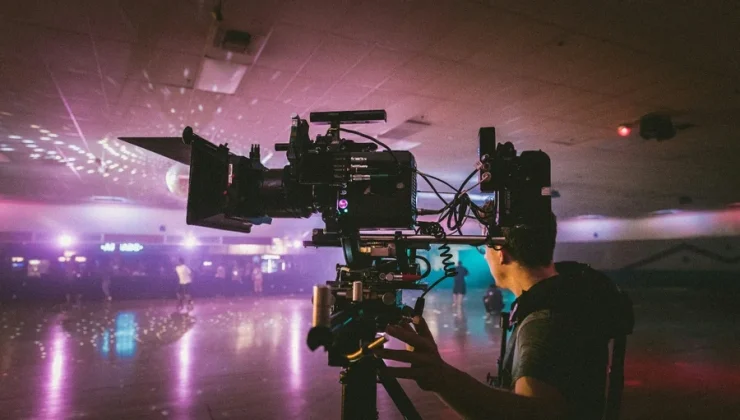
A professional camera operator has always played a powerful role in visual storytelling. This person has seen how the industry has changed. They have worked with new tools, new styles, and new creative demands. They have also learned how to adapt quickly. In every project, they have been focused on capturing moments that feel real and memorable.
The Art Behind Every Frame
Over the years, camera operators have been mixing art with technique. They have explored new angles and fresh ways to frame simple scenes. They have used their hands, eyes, and instincts to catch details that others may miss. They have also been improving their skills through constant practice. Most of them have been experimenting with lighting, movement, and composition for a long time.
Why Visual Content Matters More Today
Today, video content has become more important than ever. Brands, creators, and businesses want visuals that look clean and feel rich. They want images that tell a story in seconds. Because of this, camera operators have taken on bigger responsibilities. They have been learning advanced tools. They have been using drones, gimbals, studio setups, and editing systems to bring ideas to life.
Drone Cinematography That Transforms Stories
One major skill that camera operators bring is drone cinematography. Drone shots have changed the way stories are told. They make cities look bigger. They make landscapes look wider. They make simple scenes feel more dramatic. Camera operators who handle drones have mastered smooth flight paths. They have studied wind, height, and speed. They always check safety rules. They understand that one small adjustment can improve the entire shot.
Studio Magic That Shapes Visual Emotion
While drone shots show the world from above, studio magic tells another side of the story. A controlled studio lets the operator design a scene from scratch. They can shape the light. They can adjust shadows. They can direct every movement. Many operators have learned this craft by working on countless sets. They have tested soft lights, hard lights, reflectors, and diffusers. They have been practicing how to balance brightness and contrast to make the subject stand out.
Adaptability in Every Shooting Environment
Another strength of creative camera operators is their ability to adapt to any environment. They may shoot at sunrise. They may shoot in crowded streets. They may shoot inside a quiet office. They may also shoot in places where conditions are changing fast. They have learned how to control the camera under pressure. They have become calm problem-solvers. They can fix issues with angles, exposure, or lenses in seconds.
Collaboration That Strengthens Every Production
Camera operators have also become strong collaborators. They do not work alone. They often talk with directors, producers, designers, and editors. They help turn a rough idea into a clear visual plan. They listen closely. They give practical suggestions. They help everyone understand what is possible. Their teamwork has often helped productions run smoother.
A Creative Eye for Powerful Moments
On top of technical skill, camera operators have a strong creative mind. They see beauty in small details. A shadow on the wall. A sparkle in someone’s eyes. A slow movement of water. A tiny shift of light. They know that these simple moments can change the mood of a story. They have been trained to see what the audience may feel before the scene is even filmed.
Motion and Emotion Working Together
Their work also depends on understanding movement. They have been practicing how to move the camera with purpose. Sometimes the shot needs slow movement. Sometimes it needs fast action. Sometimes it needs to stay still. Camera operators have learned that every movement carries emotion. They use this to guide the viewer’s attention.
Tech Tools That Elevate Every Shot
They have also been using new technology to work smarter. Modern cameras come with advanced sensors and stabilizers. Software tools help track motion and adjust color. Operators have spent years learning which settings work best for different scenes. They have tested lenses for depth, sharpness, and style. They know how to match the right tools with the right vision.
Sound Awareness That Supports Strong Storytelling
Sound may not be their main task, but many operators understand the basics. They know how audio affects the final story. They keep an eye on microphones. They help ensure the environment stays quiet when needed. They have been working closely with sound teams to avoid issues during the shoot.
Thinking Like an Editor Before the Edit Begins
As content demands have grown, operators have been learning to think like editors. They imagine how each clip will look in the final cut. They plan transitions, pacing, and shot sequences. Because of this, they capture footage that is easier to edit and more powerful on screen.
Preparedness That Makes Each Project Smooth
A creative camera operator also values consistency. They show up prepared. They check equipment early. They clean lenses. They test batteries. They plan backups. They know that small errors can cost time and affect quality. Their habits keep the production smooth.
The True Value of a Skilled Camera Operator
All of these skills make a camera operator more than just someone behind a lens. They are visual thinkers. They are storytellers. They are technicians. They are artists. They turn simple ideas into scenes that feel alive.
In the end, what do they truly bring to the table? They bring a mix of experience, intuition, and passion. They bring a strong eye for detail. They bring steady hands and creative direction. Most of all, they bring a commitment to making every shot better than the last.
This is why any brand, agency, or creator should invest in skilled camera professionals. They help make visuals more engaging. They help messages feel clear. They help stories become unforgettable. A project becomes stronger when a trained cameraman is part of the team.