Why Accurate Sample Accessioning Is Critical for Reliable Test Results
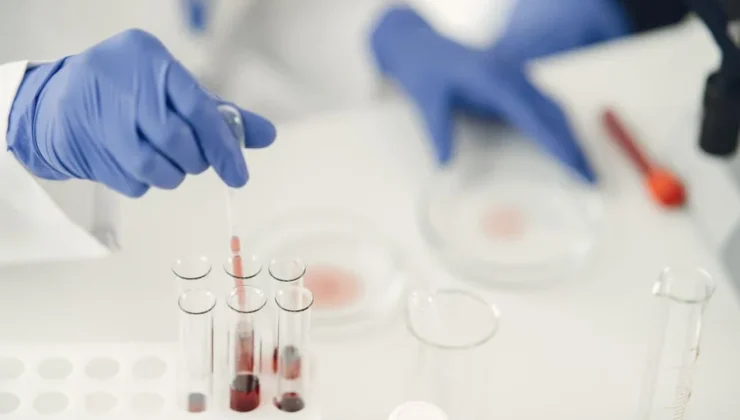
Understanding The Sample Accessioning Process
Sample accessioning is the first step in a lab’s workflow. It’s where a sample officially enters the lab’s system. This involves assigning a unique identifier to each specimen. This identifier is key for tracking the sample throughout its entire journey. Without proper accessioning, a sample is essentially lost before testing even begins. It’s a detail-oriented task that requires focus.
Think of it like checking in at a hotel. You get a room number, and that number follows you. In a lab, the accession number does the same for a patient’s sample. This process links the physical sample to the patient’s information and the requested tests. Accurate sample accessioning is the bedrock upon which all subsequent lab work is built. It’s not just about assigning a number; it’s about creating a clear, traceable record from the very start.
This initial step is critical because any mistake here can cascade. If a sample is misidentified or mislabeled during accessioning, the wrong tests might be performed, or results could be attributed to the incorrect patient. This can lead to significant problems down the line, impacting patient care and lab efficiency. Getting sample accessioning right the first time is paramount.
The Critical Role Of Sample Accessioning In The Lab
Sample accessioning plays a vital role in the day-to-day operations of any clinical laboratory. It’s the gatekeeper, ensuring that every sample received is properly logged and accounted for. This process directly impacts the integrity of the data generated. A well-executed accessioning system means reliable test results.
When samples are accessioned correctly, it simplifies everything that follows. Staff can easily locate samples, verify patient information, and confirm the requested tests. This reduces confusion and minimizes the chances of errors. The chain of custody for a sample begins here, with its official entry into the lab’s tracking system. This initial step is not just administrative; it’s a quality control measure.
Consider the sheer volume of samples a busy lab handles. Manual accessioning, while still practiced, is prone to human error. Typos, misread handwriting, or simple oversights can lead to samples being misplaced or misdirected. This is why robust, often digital, accessioning methods are so important for maintaining accuracy and efficiency in the lab.
Impact Of Sample Accessioning On Patient Care
The accuracy of sample accessioning has a direct and significant impact on patient care. When a sample is correctly identified and logged, the subsequent testing is more likely to be accurate. This leads to correct diagnoses and appropriate treatment plans for patients.
Conversely, errors in sample accessioning can have serious consequences. A mislabeled sample might lead to a patient receiving the wrong diagnosis or undergoing unnecessary or incorrect treatments. This not only harms the patient but also erodes trust in the laboratory and the healthcare system. The integrity of patient care hinges on the reliability of laboratory testing, which starts with accurate sample accessioning.
Ultimately, every step in the laboratory process, from the moment a sample arrives, is connected. Proper accessioning ensures that this connection is strong and accurate, providing clinicians with the dependable information they need to make informed decisions about their patients’ health. It’s a foundational element that cannot be overlooked.
Minimizing Errors Through Digital Sample Accessioning
Addressing Manual Accessioning Pitfalls
Manual sample accessioning is a common source of errors in labs. Think about it: scribbled notes, illegible handwriting, and the sheer volume of samples can lead to mistakes. A misplaced decimal point or a transposed number can send a sample down the wrong path, impacting test results and patient care. These errors aren’t just inconvenient; they can be costly and, in some cases, dangerous. Relying on manual processes means you’re always one slip-up away from a problem.
When samples are accessioned manually, it opens the door for human error. This can include incorrect data entry, misidentification of the sample, or even mislabeling. These issues can cause samples to be sent to the wrong testing area, attributed to the wrong patient, or simply lost as they move through the lab. The risk of sample mix-ups increases significantly with manual methods.
The consequences of manual accessioning errors can be far-reaching, affecting turnaround times, patient safety, and the lab’s reputation. It’s a system that, while familiar, is prone to failure. The goal is to move beyond these pitfalls.
Leveraging Technology For Precise Sample Registration
Digital sample accessioning changes the game. By using technology, labs can register and log samples electronically. This often involves unique identifiers like barcodes or QR codes. Each sample gets a digital fingerprint, linking it directly to the correct patient and the ordered tests. This precision is key to preventing errors right from the start.
Technology offers a way to make sample registration much more accurate. When a sample arrives, it can be scanned, and its information is automatically entered into a Laboratory Information System (LIMS). This digital approach removes the need for manual data entry, which is where most mistakes happen. It creates a clear, traceable record for every sample.
This digital method ensures that each sample is uniquely identified and correctly associated with the patient and their tests. It’s about building a reliable foundation for all subsequent lab work. Precise sample registration is the first step in minimizing errors.
The Benefits Of Automated Sample Accessioning Workflows
Automated sample accessioning workflows bring a host of advantages. They reduce manual intervention, speeding up the process and cutting down on errors. Automation means samples are processed more efficiently and consistently, leading to better overall lab performance. It’s about working smarter, not harder.
Automated workflows streamline the entire process. From the moment a sample is received, the system can manage its registration, labeling, and routing. This automation reduces the chances of samples being misplaced or misidentified. It creates a more predictable and reliable workflow for everyone involved.
Here are some key benefits:
- Reduced Error Rates: Automation significantly cuts down on human error.
- Increased Throughput: Processes are faster, allowing labs to handle more samples.
- Improved Traceability: Every step is logged, providing a clear history.
- Enhanced Staff Efficiency: Staff can focus on more complex tasks.
Implementing automated sample accessioning is a significant step towards improving lab accuracy and reliability. It’s an investment in quality.
Ensuring Sample Integrity From Collection To Analysis
Maintaining Sample Quality During Transit And Storage
Keeping samples in good shape from the moment they’re collected until they’re tested is a big deal. Things like temperature swings, light exposure, or just rough handling can mess with a sample. This is why labs need clear rules for how samples are packed, shipped, and stored. Proper storage conditions are non-negotiable for reliable results. Think about it: a sample that’s degraded can’t give you accurate information, no matter how good the testing equipment is. We need to pay attention to the details here.
It’s not just about keeping things cold. Different samples have different needs. Some need to be frozen, others refrigerated, and some might be fine at room temperature. The key is consistency. If a sample’s integrity is compromised, the whole testing process is called into question. This means training staff on the right way to handle each type of sample and making sure those storage units are working correctly all the time. It’s a constant effort to keep things stable.
We also need to think about how long samples are stored. Some tests need to be done quickly, while others can wait. Knowing the shelf life of a sample and keeping track of expiration dates is part of the job. This prevents using old, unreliable samples. It’s all about making sure the sample is as good as it can be when it finally gets to the testing bench.
Centralized Sample Processing For Consistency
When you’re dealing with a lot of samples, especially from different places, it makes sense to bring them all together. Centralizing sample processing means one place handles all the initial steps. This cuts down on the variation you get when different people or different sites do things their own way. Consistency in how samples are handled is a major win. It means the results are more likely to be comparable, which is super important for research or large-scale testing.
Having a central hub also means better control over the environment and the procedures. You can set up specialized areas with the right equipment and trained staff. This makes it easier to follow strict protocols every single time. It’s like having a well-oiled machine for sample prep, reducing the chances of errors creeping in. This focus on standardization is key to maintaining sample integrity.
This approach also helps with managing inventory and planning shipments. Instead of sending samples out to various labs right away, you can batch them up for transport to central testing facilities. This can be more efficient and cost-effective. It’s a smart way to manage the flow of samples and keep everything on track.
Preserving Sample Integrity Through Proper Handling
Handling samples correctly is more than just being careful; it’s about following specific procedures designed to protect the sample. This includes everything from how the sample tube is opened and closed to how it’s transferred between containers. Every touchpoint matters when it comes to preserving sample integrity. Even small mistakes can introduce contamination or cause the sample to degrade.
Think about labeling. If a sample isn’t labeled clearly and correctly, it can easily get mixed up with another. This isn’t just an inconvenience; it can lead to wrong diagnoses or faulty research data. So, clear, accurate labeling from the start is a must. It’s the first line of defense against mix-ups and ensures the sample can be traced back to its source.
Staff training plays a huge role here. People need to know why these procedures are important and how to perform them correctly. Regular refreshers and checks help make sure everyone is on the same page. When everyone understands the importance of proper handling, the overall quality of the lab’s work goes up. It’s a team effort to keep those samples in the best possible condition.
The Importance Of Real-Time Sample Tracking
Achieving Full Visibility Of Sample Status
Knowing where a sample is at any given moment is no longer a luxury; it’s a necessity. Real-time sample tracking provides an immediate view of a specimen’s location and its current stage in the lab process. This constant awareness helps prevent samples from getting lost or delayed. When every step is logged, you can quickly identify bottlenecks and address them before they impact turnaround times. This level of visibility is key to maintaining an efficient workflow and building trust with those waiting for results.
Real-Time Tracking For Workflow Optimization
Manual tracking methods are prone to errors and delays. Implementing real-time sample tracking systems, often integrated with Laboratory Information Systems (LIMS), transforms how labs operate. These systems use identifiers like barcodes or RFID tags to log a sample’s movement automatically. This means less time spent searching for samples and more time focused on analysis.
Real-time tracking systems provide an immediate view of a specimen’s location and its current stage in the lab process.
This continuous monitoring allows for better resource allocation and prioritization of urgent cases, leading to improved overall lab productivity and faster delivery of critical information.
Preventing Sample Loss With Continuous Monitoring
Losing a sample can mean repeating tests, delaying diagnoses, and increasing costs. Continuous monitoring through real-time sample tracking acts as a safeguard against such issues. By documenting every transfer and interaction a sample has, from accessioning to final storage, the system creates an auditable trail. This prevents samples from being misplaced or forgotten.
- Automated alerts for potential issues.
- Reduced risk of human error in logging.
- Clear accountability for sample handling.
This proactive approach to sample management is vital for maintaining data integrity and ensuring that patient care is not compromised by preventable errors. Real-time sample tracking is a cornerstone of reliable laboratory operations.
Establishing A Robust Chain Of Custody
The Significance Of Unbroken Chain Of Custody
The chain of custody is more than just a record; it’s the backbone of trust in laboratory results. It starts the moment a sample is collected and follows it through every single step until its final disposition. This unbroken chain confirms that the sample tested is indeed the one collected from the patient and that it hasn’t been tampered with or mixed up along the way. Without a solid chain of custody, the integrity of the entire testing process is compromised, casting doubt on the accuracy of the results.
Think of it like a detective’s logbook for a piece of evidence. Every person who handles it, every location it’s been to, and every action taken is meticulously documented. This detailed history is vital, especially for critical or forensic samples where legal implications are significant. It provides irrefutable proof of control and handling, which is indispensable for quality assurance and any potential audits or legal challenges.
Maintaining this unbroken chain of custody is paramount for reliable diagnostics. It assures everyone involved – from the clinician to the patient – that the reported results are valid and can be acted upon with confidence. Any break in this chain can lead to serious consequences, including incorrect diagnoses and treatments.
Documenting Every Sample Transfer
Documenting every sample transfer is a core part of establishing a strong chain of custody. This means recording who received the sample, who they passed it to, and when these transfers occurred. It’s about creating a clear, chronological record of the sample’s journey within the laboratory environment and beyond.
This documentation isn’t just about noting down names and times; it’s about creating an auditable trail. Each transfer point needs to be verified, ensuring accountability at every stage. This includes everything from the initial collection and transport to accessioning, processing, and final analysis. The goal is to leave no room for ambiguity about the sample’s whereabouts or handling.
- Initial collection and labeling
- Receipt at the laboratory
- Accessioning and aliquoting
- Transfer between departments or instruments
- Storage and final disposal
Mitigating Chain Of Custody Failures With Automation
Manual processes are prone to human error, making them a common source of chain of custody failures. Misplaced labels, forgotten log entries, or simple transcription mistakes can create gaps that undermine the sample’s integrity. These errors can lead to significant delays, incorrect results, and a loss of confidence in the laboratory’s processes.
Automated systems, particularly Laboratory Information Management Systems (LIMS), are designed to prevent these issues. By using unique identifiers like barcodes or RFID tags, samples can be tracked electronically at every touchpoint. This digital record is far more reliable than manual logs, as it timestamps and records every action automatically.
Automation significantly reduces the risk of human error in documenting sample transfers, thereby strengthening the chain of custody and improving overall data integrity. This digital approach provides a clear, verifiable history for each sample, from collection to analysis.
Implementing automated tracking means that every movement and handling event is captured in real-time. This visibility helps in quickly identifying and rectifying any potential issues, preventing samples from getting lost or misidentified. It’s a proactive approach to safeguarding the chain of custody and ensuring the accuracy of diagnostic testing.
Leveraging LIMS For Enhanced Sample Management
Streamlining Workflows With Laboratory Information Systems
Laboratory Information Systems, or LIMS, are a big deal for labs trying to keep things running smoothly. Think of it as a central brain for all your samples. It helps keep track of where each sample is, what tests it needs, and all the data connected to it. This system makes sure that when a sample comes in, it gets registered correctly and linked to the right patient and tests. It’s all about making the lab’s daily work less of a headache.
Using a LIMS means less time spent on paperwork and more time on actual science. It automates a lot of the repetitive tasks that used to take up so much time. This means fewer mistakes happen because a computer is doing the logging instead of a person who might be tired or distracted. The goal is to make the whole process from sample arrival to result reporting as efficient as possible.
A well-implemented LIMS is key to a lab’s success. It’s not just about keeping records; it’s about making the entire operation more reliable. When everything is organized and automated, the lab can handle more samples without getting overwhelmed, which is a win for everyone involved.
Integrating Systems For Seamless Data Exchange
Labs today often have different pieces of equipment and software that don’t always talk to each other nicely. This is where LIMS really shines. It can connect to other lab systems, like analyzers or databases, so information flows freely between them. This integration stops data from getting lost or duplicated when it’s moved from one system to another.
Imagine a sample is tested on a machine, and the results automatically go into the LIMS without anyone having to type them in. That’s the kind of connection we’re talking about. It makes sure that the data you have is accurate and up-to-date across the board. This kind of data sharing is super important for making sure test results are correct.
When systems are integrated, it means less manual work for lab staff and a lower chance of errors. It creates a more unified system where all the information about a sample is in one place, making it easier to manage and access when needed. This makes the whole lab process much more efficient.
Improving Data Integrity Through LIMS
Data integrity is a huge part of why accurate sample accessioning matters. LIMS plays a big role here by creating a clear record of everything that happens to a sample. It logs who did what, when they did it, and what changes were made. This creates an audit trail that’s really important for quality control and meeting regulations.
With LIMS, you get a consistent way of handling data. This means that the information about a sample is reliable from the moment it’s registered until the results are reported. It helps prevent data from being accidentally changed or deleted, which could lead to wrong conclusions or reports.
The ability of LIMS to maintain a clear and unalterable record of sample handling and data is what makes it so valuable for labs that need to be sure about their results. This focus on data integrity is what builds trust in the lab’s work.
Regulatory Compliance And Sample Accessioning
Meeting Mandates For Sample Traceability
Laboratories operate under a microscope when it comes to regulatory compliance. Agencies like the FDA and CLIA set strict rules for how samples are handled, tracked, and documented. Accurate sample accessioning is the bedrock of meeting these mandates. Without a clear, unbroken record of a sample’s journey, proving its integrity becomes impossible. This traceability is not just about avoiding fines; it’s about ensuring the scientific validity of the results produced.
Think about it: if a sample can’t be traced from collection to analysis, how can anyone trust the outcome? This is where robust sample accessioning systems come into play. They create a digital footprint for every sample, detailing its origin, who handled it, when, and where it went. This meticulous record-keeping is what regulatory bodies look for. It demonstrates a commitment to quality and accountability.
Documentation Requirements For Quality Assurance
Quality assurance (QA) in a lab setting relies heavily on thorough documentation. Every step, from the initial sample accessioning to the final report, needs to be recorded. This includes details like the patient or source information, the date and time of collection, the specific tests ordered, and the personnel involved. Proper documentation confirms that procedures were followed correctly and that the sample was handled appropriately throughout its lifecycle.
This detailed record-keeping is not just for external audits. It’s also vital for internal quality control. If an unexpected result arises, a well-documented chain of custody and accessioning history allows for quick investigation. It helps pinpoint potential issues, whether it’s a procedural error or a problem with the sample itself. This proactive approach to quality assurance is what separates good labs from great ones.
The integrity of a laboratory’s findings is directly tied to the integrity of its sample management processes.
Adhering To Standards For Accurate Reporting
Adhering to established standards is non-negotiable for accurate reporting. Regulatory bodies often specify the standards laboratories must follow for sample accessioning and management. These standards ensure consistency and reliability across different labs and testing scenarios. For instance, ISO standards provide a framework for quality management systems that directly impact how samples are accessioned and managed.
When a lab consistently follows these standards, it builds trust with clients, researchers, and regulatory agencies. It means that the data generated is dependable and can be used with confidence for clinical decisions, research conclusions, or product safety assessments. The initial step of accurate sample accessioning sets the stage for all subsequent reporting, making it a critical control point for maintaining high standards.
The Bottom Line on Sample Accessioning
Getting sample accessioning right isn’t just about following rules; it’s the bedrock of reliable lab results. When samples are tracked accurately from the moment they arrive, through every step of processing and testing, it cuts down on errors and lost samples. This careful handling means the data generated is trustworthy, which is what patients and doctors depend on. Investing in systems that automate and track samples properly isn’t just good practice, it’s necessary for maintaining quality and confidence in laboratory science.