Why Industrial Automation Matters in a Tech-Driven World
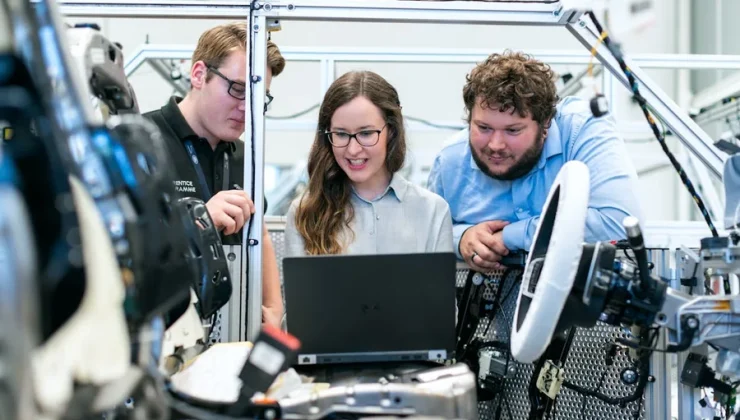
If you look at how quickly technology is changing the way businesses operate, it’s easy to see why industries everywhere are rethinking their processes. Companies are expected to produce more, work faster, and maintain higher standards of accuracy than ever before. Traditional manual systems often struggle to match this pace, especially when demand grows or production becomes more complex.
That’s where industrial automation comes in. Automation allows you to streamline repetitive tasks, reduce errors, and improve overall efficiency. It’s not just large corporations embracing this shift; small and medium-sized businesses are now turning to automation solutions to stay competitive and prepare for future growth.
As industries move into a more tech-driven era, automated tools and systems are becoming essential rather than optional. The right automation setup can help you modernize operations and achieve the consistency and productivity today’s market demands. With so many companies seeking reliable solutions, the next step is understanding what drives the move toward automation and why it matters so much.
What Drives the Shift Toward Automation?
As industries expand, the need for faster production and accurate output becomes more urgent. Manual processes, while valuable, can only move so quickly and are naturally more likely to produce inconsistencies. Automation solves these challenges by providing steady, predictable performance that supports tighter schedules and higher customer expectations.
Another major driver is the rising cost of labor and the difficulty many industries face in finding skilled workers for repetitive or specialized tasks. Automation fills these gaps by handling jobs that require speed, repetition, or precision, allowing workers to shift their focus to more specialized or strategic responsibilities.
Because of these demands, many businesses rely on advanced automation providers to help them upgrade outdated systems and implement efficient solutions. That’s why companies often turn to specialists like Ansomat BV, who offer tailored automation tools designed to improve accuracy, streamline workflows, and support long-term operational stability. These kinds of solutions help you stay competitive while reducing downtime and increasing productivity across different stages of production.
With the right systems in place, automation becomes a natural extension of your operations rather than a complicated addition. It supports growth, improves consistency, and positions your business for success in a world where efficiency and reliability matter more than ever.
Boosting Efficiency and Productivity Across Industries
One of the biggest advantages of automation is the boost it brings to your productivity. Tasks that previously required hours of manual effort can be completed in minutes with the right tools. Automated systems work quickly and don’t slow down due to fatigue, distractions, or long shifts. This means your team can accomplish more in less time without sacrificing quality.
Automation also helps eliminate bottlenecks that often appear in manual workflows. When processes are carried out by machines built for speed and consistency, you avoid delays caused by errors, slowdowns, or equipment misuse. Workers can focus on overseeing operations, troubleshooting, and managing quality rather than performing every repetitive task themselves.
These productivity gains create a ripple effect throughout your company. Projects move faster, you meet deadlines more consistently, and your output increases. Over time, these improvements lead to stronger performance and better customer satisfaction, two essential benefits in a competitive industry.
Improving Accuracy and Product Quality
Accuracy plays a major role in any production process, especially when you’re working with intricate components or strict quality standards. Human error is natural, even among experienced workers. Fatigue, distractions, or repetitive tasks can lead to mistakes that slow down production or result in costly defects.
Automation greatly reduces these challenges. Automated systems deliver consistent, repeatable results with minimal variation. This reliability is especially important in industries like electronics, automotive parts, pharmaceuticals, and food processing, where precision affects safety and functionality.
Automated equipment is designed to maintain accuracy even during long production runs. When your tools can perform consistently, you reduce waste, improve quality control, and build a stronger reputation for reliable products. Ultimately, better accuracy means better results, and automation plays a big role in making that possible.
Enhancing Safety and Reducing Workplace Risks
Safety is always a priority in industrial environments, and automation has become one of the most effective ways to protect workers from hazardous tasks. Many jobs on production floors involve risks such as heavy lifting, exposure to chemicals, or working near high-speed machinery. Companies like Marvel Industrial Coatings recognize the importance of automation in reducing these risks by integrating safer, more efficient coating and production processes. Automation can take over these dangerous responsibilities, allowing workers to stay safe while still contributing to the workflow.
Automated systems help reduce workplace accidents by minimizing opportunities for human error or injury. Machines can handle tasks that involve repetitive strain, awkward movements, or potentially harmful conditions. This not only keeps your team safer but also reduces downtime caused by injuries or equipment misuse.
When workers feel protected, morale improves, and a safer workspace often leads to higher productivity. Automation supports a healthier work environment where employees can focus on skilled tasks rather than dangerous or exhausting ones.
Cost Savings and Long-Term Return on Investment
Some businesses hesitate when they hear the word “automation,” assuming it means high costs or complicated installations. While there is an initial investment involved, automation often pays for itself over time through reduced expenses and improved efficiency.
Automation helps lower labor costs by reducing the number of repetitive tasks that require manual labor. It also decreases the likelihood of damaged materials, defective products, or wasted resources, issues that can quickly add up financially. With fewer errors and improved productivity, your operations become more cost-effective.
Additionally, automated equipment typically requires less maintenance than older manual systems. Modern automation tools are built to last, and with proper care, they can support your business for many years. As your output grows and your efficiency improves, your investment continues to pay off, giving you long-term financial stability.
Industrial automation isn’t just a trend. It’s a necessary step for anyone working in a tech-driven world. It helps you boost productivity, improve accuracy, protect your workers, and maintain long-term cost savings. By embracing automation, you strengthen your operations and create a reliable foundation for future growth.
As industries continue to evolve, businesses that integrate automation early will be better positioned to succeed. With the right tools and support, you can stay competitive, meet rising expectations, and build stronger, smarter systems that carry your company forward.