First Aid For Hypothermia: Responding To Cold Weather Emergencies
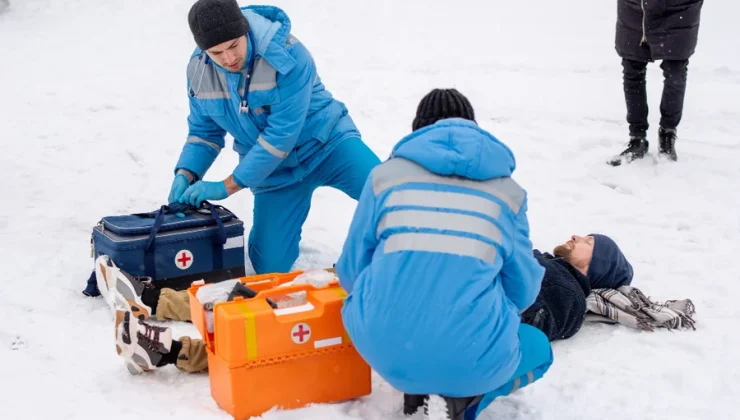
Cold weather has a beauty all its own, from snowy mountain hikes to crisp winter evenings outdoors. Yet extreme cold also brings hidden dangers, with hypothermia among the most serious. Hypothermia occurs when the body loses heat faster than it can produce it, causing body temperature to drop to dangerously low levels. Left untreated, it can impair thinking, slow heart rate, and eventually lead to organ failure or death. Recognizing the signs and knowing how to respond with immediate first aid can make the difference between recovery and tragedy.
What Causes Hypothermia
The human body is designed to function within a narrow temperature range, around 98.6°F (37°C). When prolonged exposure to cold, wind, or wet conditions occurs, body temperature can dip below 95°F (35°C), signaling hypothermia. Risk factors include inadequate clothing, immersion in cold water, exhaustion, and medical conditions that impair heat regulation. Both outdoor adventurers and people living in colder climates are at risk, as are older adults and infants whose bodies cannot regulate temperature as effectively.
Recognizing the Symptoms
Hypothermia often develops gradually, making it difficult to notice at first. Common symptoms include:
- Shivering, which may stop in severe cases.
- Slurred speech or mumbling.
- Clumsiness, loss of coordination, or stumbling.
- Confusion, poor decision-making, or drowsiness.
- Slow breathing and weak pulse in advanced stages.
Because mental ability is impaired, victims may not realize how serious their condition is. This makes it crucial for bystanders to identify the warning signs and step in quickly.
First Aid Response for Hypothermia
Taking the right steps immediately can save a life:
-
Move to a Warm Environment
Bring the person indoors or shelter them from wind and cold. Even blocking direct wind exposure helps.
-
Remove Wet Clothing
Wet fabrics accelerate heat loss. Replace them with dry, insulating layers whenever possible.
-
Warm the Body Gradually
Use blankets, warm beverages, or body-to-body contact. Focus on the chest, neck, and groin areas. Avoid direct heat sources like heating pads or hot baths, which can shock the system.
-
Offer Warm Liquids
If the person is conscious, provide warm, non-alcoholic, non-caffeinated drinks to help raise body temperature slowly.
-
Call Emergency Services
Severe hypothermia is life-threatening. Professional medical treatment is required, especially if the victim becomes unresponsive or shows signs of slowed breathing.
What Not to Do
Certain actions can make hypothermia worse. Do not:
- Give alcohol, which expands blood vessels and accelerates heat loss.
- Rub or massage the person’s limbs, which can cause cold blood to rush back to the heart.
- Attempt to warm the body too quickly with hot baths or heaters.
Understanding these mistakes is as important as knowing the correct steps.
Special Risks with Cold Water
Immersion in cold water leads to hypothermia much faster than exposure to cold air. The “1-10-1 rule” is often used to describe the stages: one minute to control breathing after immersion, 10 minutes of meaningful movement before muscles weaken, and about one hour before unconsciousness sets in. Rescue should focus on removing the victim from water quickly, then beginning gradual warming and monitoring for shock.
Hypothermia in Children and Older Adults
Children lose body heat faster than adults due to their size, and they may not communicate when they feel too cold. Older adults may also underestimate the severity of cold exposure, especially if medical conditions affect circulation. Both groups require extra attention during outdoor activities in winter months. Caregivers should ensure proper clothing, frequent breaks, and hydration to reduce risks.
The Importance of Preparedness
Hypothermia often strikes when people are unprepared—unexpected weather shifts, inadequate gear, or accidents during outdoor recreation. Preventive steps such as layering clothing, staying dry, and keeping emergency supplies can minimize danger. Communities benefit when more individuals are trained to recognize and respond to cold-weather emergencies. Programs like toronto cpr training integrate hypothermia response with broader first aid instruction, ensuring people have both the knowledge and confidence to act effectively.
Prevention Strategies for Cold Weather
Preparation is the most effective form of protection. Key prevention measures include:
- Layer clothing: Start with moisture-wicking fabric, add insulation, and finish with waterproof outerwear.
- Protect extremities: Wear hats, gloves, and insulated footwear.
- Stay dry: Wet clothing dramatically accelerates heat loss.
- Plan ahead: Check forecasts and avoid prolonged exposure during severe cold snaps.
- Travel smart: Carry emergency supplies, including blankets and high-energy snacks, when heading into remote areas.
Building Confidence Through Training
In emergencies, panic can lead to hesitation or mistakes. Hands-on training not only teaches proper first aid techniques but also prepares individuals to act calmly and decisively. Courses that cover hypothermia, frostbite, CPR, and general emergency preparedness empower people to become valuable responders in their families and communities.
Conclusion
Hypothermia is a silent but serious threat in cold environments. Its gradual onset and subtle symptoms can mask its danger until it becomes life-threatening. By learning how to recognize early signs and respond with proper first aid, you can protect yourself and others from severe consequences. Preventive measures like proper clothing, planning, and staying dry reduce risks, but preparation for emergencies is equally important.