How Innovation in Silica Mining Reduces Environmental Footprints

Innovation in silica mining is really changing how we get this important material. It’s not just about digging it up anymore; it’s about doing it smarter and with less impact. The focus is on making the whole process more efficient, from the moment the silica is extracted to when it’s ready for use. A leading example of this shift is Sio Silica, a quartz silica sand manufacturer that pioneers sustainable extraction methods to produce high-purity silica while minimizing environmental disruption.
Optimizing Energy Efficiency in Silica Production
Getting silica ready for industry takes a lot of power. New methods are being developed to cut down on the energy needed. This means using better equipment and refining the steps involved in processing. The goal is to use less electricity and fuel, which not only saves money but also lowers the carbon footprint of silica production. Think of it like upgrading an old appliance to a new, energy-saving model – it just works better and uses less.
Implementing Advanced Dust Control Measures
Dust is a big issue in silica mining. Fine silica particles can be a health hazard and spread easily. So, companies are investing in better ways to keep dust down. This includes using water sprays more effectively, building enclosures around processing areas, and using special filters. These measures help keep the air cleaner for workers and the surrounding environment. It’s all about containing the dust right at the source.
Reducing Water Consumption Through Recycling Systems
Water is another key resource in silica processing, especially for washing and separating the sand. To use less fresh water, many operations are now putting in water recycling systems. This means the water used in the process is cleaned and reused, rather than being discharged. This not only conserves water but also reduces the amount of wastewater that needs to be managed. It’s a smart way to handle a valuable resource.
Sustainable Practices for Quartz Silica Sand Manufacturers
Responsible silica sand extraction is vital for industries, but it comes with environmental considerations. Manufacturers are increasingly adopting sustainable practices to minimize their impact. This involves a shift towards methods that protect natural resources and reduce pollution throughout the silica sand mining process.
Minimizing Land Disturbance During Extraction
When extracting quartz silica sand, the goal is to disturb the land as little as possible. This means careful planning before any digging begins. Companies are looking at ways to extract the material more precisely, reducing the overall area affected. This approach helps preserve the natural landscape and the habitats within it. It’s about being smart with where and how we mine.
Ensuring Proper Waste Management Protocols
Managing waste effectively is a big part of sustainable silica sand operations. This includes everything from leftover materials to water used in processing. Companies are implementing systems to sort and reuse materials where possible. Water recycling systems are becoming standard, cutting down on the need for fresh water and reducing the amount of wastewater discharged. Proper disposal of any unavoidable waste is also a priority, following strict guidelines to prevent contamination.
Adopting Low Carbon Emission Processes
Reducing the carbon footprint is a major focus. This means looking at the energy used in silica sand mining and processing. Manufacturers are exploring ways to use less energy overall, often by upgrading equipment to more efficient models. They are also investigating cleaner energy sources to power their operations. The aim is to lower greenhouse gas emissions associated with producing quartz silica sand, making the entire process more environmentally friendly. This commitment to sustainable silica sand production is key for the future.
Environmental Impact Assessments and Regulatory Compliance
Conducting Comprehensive Environmental Impact Assessments
Before any silica mining operation kicks off, a thorough environmental impact assessment is a must. This isn’t just a formality; it’s a deep dive into what the project might do to the surrounding environment. Think about potential effects on local wildlife, water sources, and even the air quality. These assessments help identify risks early on. They look at everything from habitat disruption to potential water contamination. The goal is to get a clear picture of the footprint before digging begins. This process is key to responsible silica extraction.
Adhering to Mining Permits and Licenses
Once the assessment is done, companies need the right paperwork. Mining permits and licenses are like the rulebook for silica sand operations. They lay out exactly what can be done, where, and how. These documents often include specific limits on how much material can be extracted and how water can be used. They also detail requirements for managing waste and dust. Following these regulations is non-negotiable for legal and sustainable operations. It’s all about keeping the mining within defined boundaries and minimizing harm. Proper adherence to these permits is a cornerstone of responsible silica mining.
Continuous Monitoring of Operations
Getting the permit is just the start. The real work involves keeping a close eye on things throughout the mining process. Continuous monitoring means regularly checking air and water quality, tracking dust levels, and observing any changes in the local landscape or hydrology. This ongoing watchfulness allows for quick adjustments if something isn’t going as planned. It’s about being proactive, not just reactive. If monitoring shows an issue, like increased sediment in a nearby stream, the company can act fast to fix it. This commitment to ongoing observation is vital for maintaining environmental standards and demonstrating a genuine effort to reduce the environmental impact of silica extraction.
Habitat Restoration and Community Engagement
Proactive Habitat Restoration Efforts
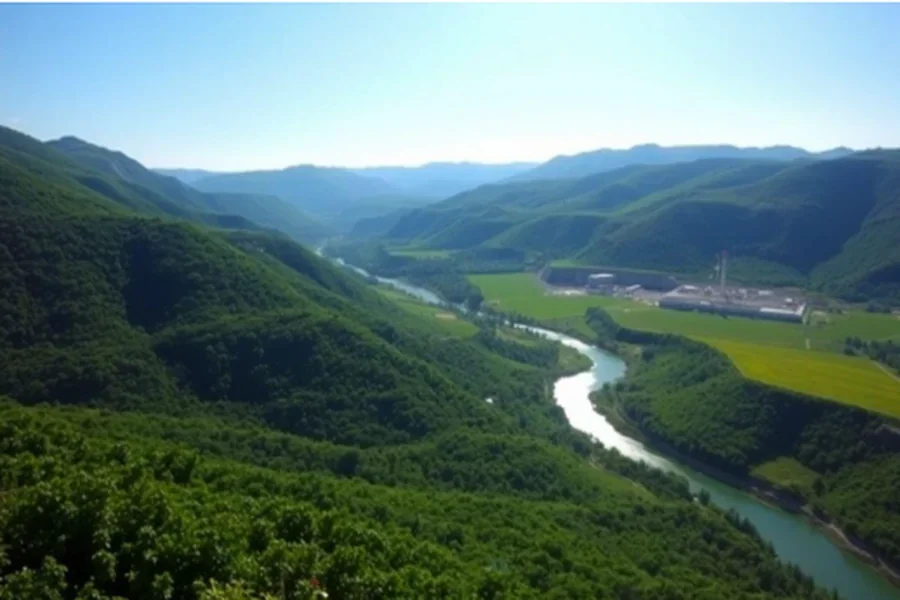
Silica mining operations can leave a mark on the land, and responsible companies are stepping up to fix that. It’s not just about filling holes; it’s about bringing back what was there, or even making it better. Think about restoring wetlands or dunes that might have been disturbed. This kind of work helps wildlife bounce back and keeps the local ecosystem healthy. Proactive habitat restoration efforts are becoming a standard part of the mining process, showing a commitment beyond just extraction.
Engaging Local Communities on Environmental Concerns
No one likes feeling left out of decisions that affect their backyard. That’s why talking to the folks who live near the mine is so important. Companies are learning to listen to local concerns about water quality, noise, and land use. This isn’t just a quick chat; it’s about building trust and finding solutions together. When communities feel heard, it makes the whole operation smoother and more accepted. This engagement is key for any silica mining project to succeed long-term.
Transparent Communication Strategies
Keeping people in the dark just doesn’t work anymore. Good communication means being upfront about what the mine is doing, what its impacts are, and what steps are being taken to lessen them. This includes sharing information about environmental monitoring, restoration plans, and any challenges that pop up. When companies are open and honest, it builds a stronger relationship with the community and regulators. It shows they’re serious about being good neighbors and responsible stewards of the land. This transparency is vital for the reputation of silica sand manufacturers.
Innovations in Fumed Silica Production
Direct Transformation of Quartz to Fumed Silica
Traditional methods for making fumed silica often start with silicon metal. This means an extra step is needed to turn quartz into that silicon metal first. This process, called carbothermic reduction, uses a lot of energy and releases carbon dioxide. But now, there’s a new way. HPQ Silica Polvere’s reactor can directly convert quartz into fumed silica. This bypasses the energy-hungry silicon metal stage entirely. It’s a big deal for reducing the carbon footprint of fumed silica. This direct transformation is a key innovation for greener production.
Reducing CO2 Emissions in Fumed Silica Manufacturing
The old way of making fumed silica has a pretty big carbon footprint. We’re talking about around 9.5 tonnes of CO2 equivalent for every tonne of fumed silica produced. A lot of that comes from using silicon metal as the starting material. The new direct quartz-to-fumed silica process, however, shows potential to cut those direct CO2 emissions by over 60%. That’s a massive improvement. It means we can get the fumed silica we need for various applications without contributing as much to greenhouse gases. This focus on reducing CO2 emissions is central to making the industry more sustainable.
Utilizing Quartz as Primary Feedstock
Using quartz directly as the main ingredient for fumed silica production is a game-changer. It simplifies the manufacturing process significantly. Instead of needing to produce silicon metal first, manufacturers can now use readily available quartz. This not only cuts down on energy use but also reduces waste and byproducts. The environmental benefits are clear. By making quartz the primary feedstock, companies are moving towards a more efficient and cleaner way to produce fumed silica. This shift is vital for the future of sustainable material production.
Life Cycle Assessment Insights for Sustainability
Quantifying Environmental Impacts from Extraction to Disposal
Life Cycle Assessment (LCA) offers a way to look at the whole picture of silica’s journey. It tracks everything from digging it out of the ground to what happens when a product made with it is finally thrown away. This helps us see where the biggest environmental problems are. Understanding the full life cycle is key to making silica mining more sustainable. We need to know the energy used and the emissions produced at every step.
This process helps pinpoint ‘hotspots’ – parts of the supply chain that use a lot of energy or materials, or where the creation of those materials causes significant harm. Identifying these hotspots is the first step to finding solutions. It’s not just about the mining itself, but also about processing, manufacturing, and disposal. The goal is to reduce the overall environmental footprint of silica products.
Identifying High Impact Areas in the Supply Chain
An LCA breaks down the silicon supply chain into stages. These typically include quartz mining, producing metallurgical grade silicon, making polysilicon, wafer fabrication, chip manufacturing, product assembly and use, and finally, end-of-life management. Each stage has its own set of environmental challenges. For example, mining can disturb land and use water, while manufacturing often requires significant energy and can produce emissions.
We need to look closely at each phase to find where the most impact occurs. This might be the energy needed for purification or the chemicals used in fabrication. Sometimes, the impact comes from the creation of materials used in the process, further up the chain. By mapping these impacts, we can focus our efforts where they will make the most difference.
Optimizing Silicon Products for Environmental Performance
Once we know the high-impact areas, we can work on making silica products better for the environment. This can involve several strategies. Shifting to renewable energy sources like solar or wind for production facilities is a big one. Improving energy efficiency in processing steps also cuts down on demand.
Another approach is increasing recycling. This means reusing silicon from old products, like solar panels or electronics. This not only reduces waste but also lessens the need to mine new materials. Adopting sustainable mining practices, like minimizing land disturbance and water use, also lowers the impact per product. Ultimately, the aim is to make the entire silicon supply chain more sustainable, from start to finish.
The journey of silicon from raw material to technological component is complex, with each stage contributing to the overall environmental impact. A thorough Life Cycle Assessment is vital for understanding and reducing this impact.
Moving Forward Responsibly
The journey of silica mining is clearly one that requires careful thought. While this material is super important for so many things we use every day, how we get it out of the ground matters a lot. Thankfully, new ideas and better ways of doing things are popping up. Companies are looking at cleaner tech, ways to put the land back the way it was, and talking more with the folks who live nearby. It’s not always easy, but by sticking to smart rules and trying new methods, we can get the silica we need without messing up the environment too much. It’s about finding that balance so we can keep building and innovating, but also keep our planet healthy for everyone down the road.