How Rope Access Improves Efficiency in Rail Maintenance
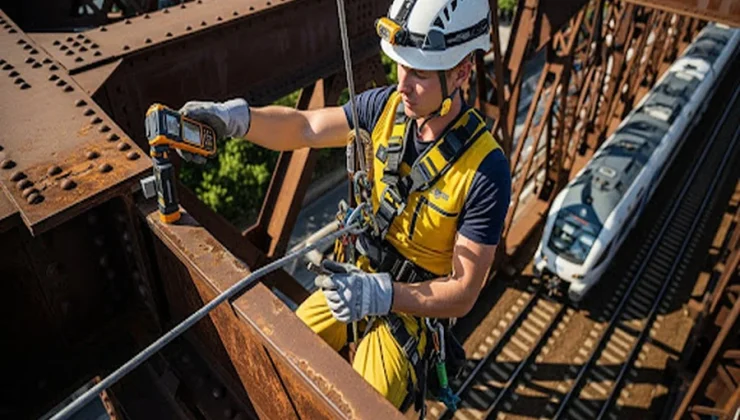
Rope access is changing how rail maintenance is carried out by offering a faster, safer, and more cost-effective option compared to traditional access methods like scaffolding or heavy machinery. In an industry where accuracy, safety, and keeping services running smoothly are key, this modern way of working directly supports those needs. For efficient and reliable rope access cleaning RAIL solutions, specialists use advanced techniques to maintain rail infrastructure without major disruptions. Rope Access in London offers comprehensive rail maintenance and cleaning services.
What Is Rope Access in Rail Maintenance?
Rope access is a method of working at height using ropes, harnesses, and specialist equipment to reach difficult areas. In rail maintenance, technicians use these systems to access bridges, viaducts, embankments, tunnels, station roofs, and other structures that are hard to reach.
Instead of building large platforms or using expensive machinery, workers can move quickly into position using ropes. This speeds up inspections, repairs, and cleaning tasks while keeping disruption to rail operations as low as possible.
Key Benefits of Rope Access for Rail Maintenance
1. Faster Set-Up and Completion
Traditional methods like scaffolding can take hours or even days to assemble and remove. Rope access teams can often be ready to work within minutes of arriving on-site. This is especially useful during short overnight or weekend rail possessions.
- Minimal time needed for set-up and breakdown
- More time available for actual repair and inspection work
- Better use of limited access windows
2. Lower Costs
Because rope access does not rely on large structures or machinery, labour and equipment costs are often reduced. You save on:
- Scaffolding hire and build costs
- Heavy plant and machinery rentals
- Storage and transport for bulky access systems
In many cases, rope access allows smaller teams to complete the same work more quickly, which reduces overall project costs.
3. High Safety Standards
Rope access has an excellent safety record due to strict training and strong working procedures. Technicians follow internationally recognised standards and must regularly refresh their skills.
Typical safety measures include:
- Use of two-rope systems (one main working line and one back-up line)
- Pre-use equipment checks
- Rescue plans for every job
- Constant communication between team members
Because rope access systems are flexible and adjustable, workers can stay securely attached at all times while still being able to move and work comfortably.
4. Less Disruption to Rail Services
Large scaffolds or mobile platforms can block tracks, platforms, or public areas. Rope access teams often work from above or from the side of structures, keeping tracks and walkways clear.
- Reduced need to close tracks or stations
- Less impact on passenger journeys
- Quieter and less intrusive than heavy machinery
This is especially helpful in busy urban stations or on main lines where delays can cause major problems.
5. Access to Hard-to-Reach Areas
Rail infrastructure often includes high, narrow, steep, or confined areas that are difficult to work on using standard equipment. Rope access allows workers to reach:
- High-level bridge steelwork
- Sloped embankments and cuttings
- Inside and outside of tunnels
- Station roofs, canopies, and façades
With ropes, technicians can safely move around complex structures and position themselves exactly where the work needs to be done.
Typical Rope Access Tasks in Rail Maintenance
| Task Type | Examples of Work |
| Inspection & Survey | Bridge inspections, tunnel lining surveys, structural checks, crack mapping |
| Repairs & Maintenance | Steelwork repairs, painting, bolt replacement, concrete patching, leak sealing |
| Cleaning | rope access cleaning RAIL of station glazing, bridge cleaning, removal of dirt, graffiti, and vegetation |
| Installation | Cabling, signage, lighting, bird netting, safety systems |
How Rope Access Improves Efficiency in Day-to-Day Rail Operations
Reactive Maintenance
When urgent issues come up, such as loose elements, fallen panels, or sudden damage, rope access teams can be mobilised quickly. They need less equipment and fewer permissions to start work, so repairs can begin sooner and reduce the risk of further damage or service disruption.
Planned Preventative Maintenance
Regular inspections and small repair jobs help avoid major failures. Rope access makes it easier and cheaper to schedule these checks more often, which supports long-term asset care.
- Frequent checks of high-risk areas
- Early spotting of wear and damage
- Quick repairs that extend the life of assets
Project and Upgrade Work
For larger rail projects, rope access can support or sometimes replace traditional access systems. It can be used during:
- Bridge strengthening and refurbishment
- Station modernisation and cleaning
- Installation of new cables, signs, or safety systems
By speeding up access and reducing the need for large structures, rope access helps project teams keep to tight deadlines and budgets.
Safety, Training, and Regulations
All rope access work on rail sites must follow strict rules set by the rail operator and health and safety law. This usually includes:
- Use of trained and certified rope access technicians
- Detailed risk assessments and method statements
- Regular equipment inspection, testing, and record keeping
- Site-specific briefings and permits to work
Rope access companies often work closely with rail engineers and safety managers to plan safe systems of work that match rail standards.
Comparing Rope Access with Other Access Methods
| Access Method | Pros | Cons |
| Rope Access | Fast set-up, low cost, flexible movement, minimal disruption | Needs specialist training and planning; not suitable for every task |
| Scaffolding | Good for large, long-term projects and heavy works | Slow to build and remove, high cost, can block rail and public areas |
| MEWPs / Cherry Pickers | Good for open areas and lower heights | Limited reach, needs access for vehicles, may not suit steep or tight sites |
Choosing a Rope Access Provider for Rail Work
When choosing a rope access company for rail maintenance, check for:
- Proven experience on rail infrastructure
- Up-to-date rope access and rail safety certifications
- Strong safety record and clear procedures
- Ability to work during night possessions and short work windows
- Good communication with rail project managers and engineers
Future of Rope Access in Rail Maintenance
As rail networks age and demand increases, the need for fast, safe maintenance methods will grow. Rope access is well placed to support this by:
- Reducing the time needed to inspect and repair assets
- Allowing more flexible planning of maintenance windows
- Working alongside new tools such as drones and digital inspection systems
By combining skilled rope access teams with modern inspection tools and careful planning, rail operators can keep infrastructure safe and reliable while controlling costs.