Common Shisha Bowl Mistakes and How To Avoid Them

The most common shisha bowl mistakes come from an unbalanced setup: packing too much or too little tobacco, bad heat control, and wrong water levels in the base. To avoid this, focus on loosening (“fluffing”) your tobacco for good airflow, using good natural coals placed around the edge of the bowl, and keeping everything clean and airtight. Getting these small points right can turn a harsh, weak smoke into a smooth, tasty session.
People often talk about the “perfect draw” as if it’s magic, but it mostly comes down to heat and airflow. Choosing good shisha bowls gives you a strong starting point, but even the best gear can be ruined by a few simple mistakes. Knowing how your tobacco, your coals, and your hookah work together is the key to getting the same good result every time.
What Causes Common Shisha Bowl Mistakes?
What Are the Most Frequent Mistakes When Preparing a Shisha Bowl?
Most problems come from three main areas: how tightly you pack, how you handle heat, and how clean your setup is. Many people overfill the bowl, thinking more tobacco means more smoke, but this actually blocks the airflow you need for big clouds. Others rush the coal-lighting stage and put half-lit coals on the foil, which adds carbon monoxide and a dry, powdery taste to the smoke.
The water level is another basic step that often goes wrong. If the downstem sits too deep in the water, the draw feels heavy and hard. If it sits too high, the smoke doesn’t cool properly and hits the throat too hot. These issues often happen together and lead to a session that starts rough and ends quickly.
How Do Inexperienced Users Contribute to Bowl Errors?
Beginners often make a “set it and walk away” mistake. They place the coals right in the center of the bowl and never move them. This burns the middle of the tobacco while the outer edges stay unused. New users also tend to ignore the “purge” step, where you gently blow into the hose to push old, harsh smoke out of the base.
Another common beginner mistake is skipping the step of stirring the tobacco before packing. The juices and glycerin usually sink to the bottom of the tub. If you don’t mix them, the tobacco on top goes into the bowl almost dry and burns right away, while the flavorful juices stay at the bottom, unused.
If you want to avoid these mistakes and ensure you are using the best gear and tobacco, it is worth consulting experts like those at shisha-boutique.com, who can provide high-quality products and professional advice for the perfect session.
1. Overpacking or Underpacking the Shisha Bowl
What Happens If You Overpack the Bowl?
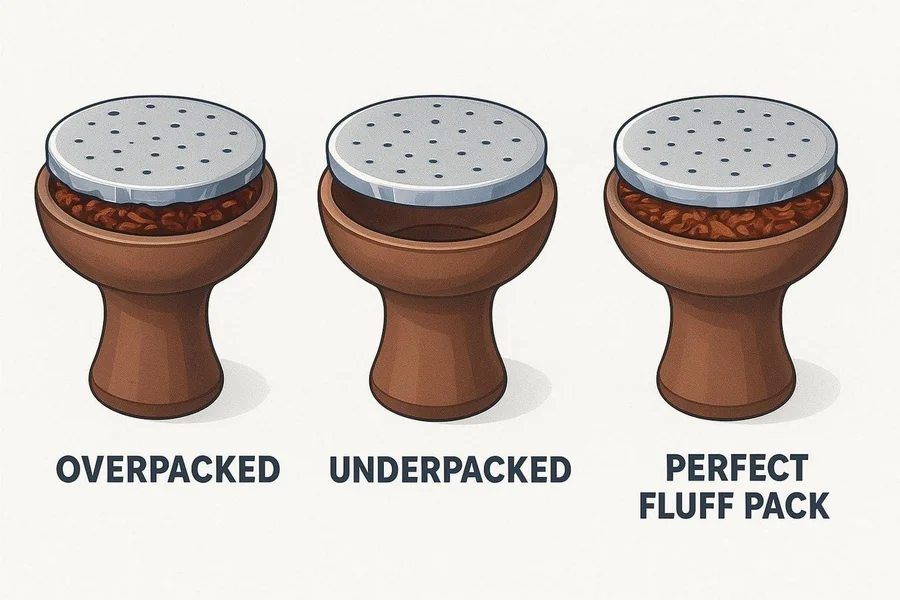
Overpacking is probably the most common mistake among people chasing huge clouds. When you cram too much tobacco into the bowl, you remove the gaps that let hot air move through the pack. Instead of cooking evenly, the top layer pushes against the foil or Heat Management Device (HMD) and burns right away. This gives a bitter, burnt taste that is very hard to fix once it starts.
Too much tobacco also blocks the holes at the bottom of a standard bowl or the spire of a phunnel bowl. This causes a tight draw, so you have to pull very hard just to get a small amount of smoke. It’s like trying to drink a thick milkshake through a tiny straw-tiring and not very enjoyable.
What Are the Effects of Underpacking Shisha Tobacco?
Underpacking is the other extreme and just as bad. If there is too big a gap between the coals and the tobacco, the heat will not reach the molasses well enough to vaporize it. You’ll get thin smoke and weak flavor. You may take big pulls and only blow out a small, light cloud that tastes more like the charcoal than the tobacco flavor.
Because there isn’t enough tobacco to soak up the heat, the air in the bowl gets very hot without making much smoke. This can make you inhale hot air, which often leads to “hookah sickness” or headaches. A bowl that is too empty also burns through the tobacco quickly, turning what could be a one-hour session into just 15-20 minutes.
How Can You Achieve the Best Shisha Packing?
For most blonde leaf tobaccos, the best method is a “fluff pack.” Lightly sprinkle the tobacco into the bowl and let it fall naturally so small air pockets form between the pieces. When the bowl is filled to just under the rim, gently level it with your fingers or a poker, leaving a 1-2mm gap between the top of the tobacco and the foil. This space keeps the tobacco from touching the heat source directly.
Dark leaf tobaccos usually work better with a “semi-dense” or “dense” pack because they can handle more heat. Whatever type you use, always keep the center spire (in a phunnel bowl) or bottom holes (in a traditional bowl) clear. A smart trick is to test the draw by inhaling through the bottom of the bowl before placing it on the stem. This lets you check airflow in advance.
2. Poor Heat Management Techniques
What Are the Consequences of Too Much Heat?
Too much heat is the main cause of a harsh session. If the tobacco gets too hot, the glycerin and flavors burn instead of turning into vapor. You’ll feel this when the smoke starts to scratch your throat or the taste suddenly switches from sweet to sharp and bitter. If you don’t quickly remove a coal, the whole bowl will be spoiled, because the burnt taste spreads through the rest of the tobacco.
How Does Insufficient Heat Affect the Smoking Experience?
Too little heat leads to a dull, weak session. The molasses must reach a certain temperature to release flavor and thick smoke. Without enough heat, the smoke is thin and the taste is very soft or almost gone. This happens often when people use too few coals or rely on quick-light coals that are already fading. It feels like you’re wasting tobacco for almost no reward.
Why Does Coal Type and Placement Matter?
Natural coconut coals are preferred because they burn cleaner, last longer, and keep a steadier temperature than most quick-lights, which usually have chemicals that affect the taste. Where you place the coals matters just as much. Always start them around the edges of the bowl. This lets the bowl itself heat up and cook the tobacco gently from the outside inward, instead of burning the center straight away.
How to Control Heat Distribution for a Smooth Session
For a smooth session, you need to pay attention while you smoke. Turn the coals every 10-15 minutes so one area of the bowl doesn’t get too hot. As the coals shrink, slowly move them closer to the center to keep the heat steady. If the smoke gets too strong or harsh, shift the coals to the very edge of the bowl or take one off until the flavor calms down. A wind cover or HMD can also help keep the temperature more stable.
3. Incorrect Foil Fitting and Hole Patterns
How Does Foil Sag Impact Your Session?
If the foil on your bowl is not tight like a drum, it will sag under the weight of the coals. When the foil sags, it touches the tobacco and burns it right away. A tight foil layer keeps the coals raised up and leaves a small air gap that helps control the heat reaching the tobacco. If you see the coals sinking into the middle of the bowl, the foil is too loose.
What Is the Right Way to Punch Holes in Shisha Foil?
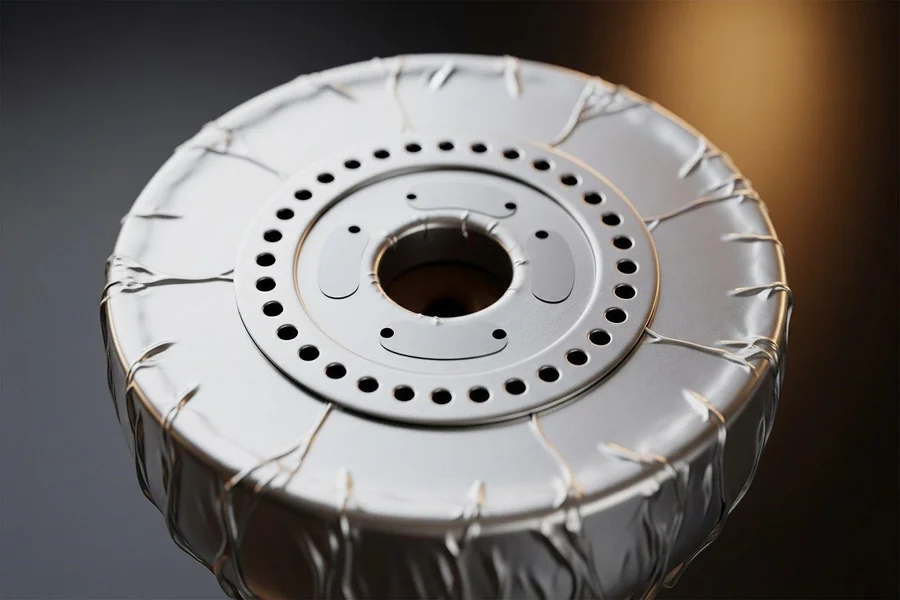
The hole pattern controls both airflow and heat. Punching too many large holes lets in a lot of cool air, which weakens the smoke. Too few holes block the heat. A reliable pattern is two or three rings of small, pin-sized holes around the outer part of the foil, with only a few in the center. This pulls heat down through the tobacco instead of just across the top.
Should You Use Foil or a Heat Management Device?
Foil is the classic method and gives you more direct control. Heat Management Devices (HMDs), however, have changed how many people smoke. They remove the need for foil and spread heat more evenly while keeping ash off the tobacco. For new users, an HMD often makes it easier to avoid heat mistakes. Some experienced smokers still prefer good foil for the more hands-on feel and specific heat profile.
4. Water Level and Base Mistakes
What Happens If There Is Too Much or Too Little Water?
Too much water makes the draw heavy and can push water up into the hose, which feels unpleasant and can damage hoses that are not washable. It also leaves very little space in the base for smoke to collect, so the draw feels weak. With too little water, the smoke won’t cool properly, so every puff feels hot and rough instead of smooth.
How to Find the Best Water Level for Proper Filtration
A good rule is to keep the downstem about 1/2 inch to 1 inch under the water line. This gives enough cooling and filtration without adding too much resistance. If your hookah has a diffuser, the whole diffuser should sit under the water. Take a quick test draw before you add the bowl: you want steady bubbling, without water splashing up toward the hose port.
5. Neglecting Regular Cleaning and Maintenance
How Does a Dirty Hookah or Bowl Affect Taste and Smoke?
Leftover “ghost” flavors from older sessions easily spoil a new bowl. If you smoked strong mint yesterday and didn’t clean the stem, today’s peach flavor will carry a minty aftertaste. Stagnant moisture in the stem or base can also lead to mold and bacteria, which is bad for your health and causes a muddy, rotten smell.
How Often Should You Clean Shisha Equipment?
Rinse the base, stem, and bowl with warm water after every session. Use a stem brush and a base brush about once a week to remove hard buildup and minerals. Non-washable hoses should be replaced regularly. Silicone hoses can be rinsed with water and flushed now and then with lemon juice or vinegar to remove odors.
6. Air Leaks and Unstable Setups
What Are Signs of Air Leaks in the Hookah Setup?
If you’re pulling a lot of air but get very little smoke, you probably have an air leak. Another sign is that there’s little or no bubbling in the base even though you are inhaling strongly. Common problem points include old or damaged grommets, a missing ball bearing in the purge valve, or a hose that is not fully seated in its port. Even a small leak can water down the smoke enough to ruin the session.
How Can You Prevent Air Leaks and Keep the Setup Stable?
Check all seals before lighting your coals. You can do a quick leak test by placing your hand over the top of the stem (where the bowl sits) and inhaling through the hose. If you can pull any air, there’s a leak somewhere that needs fixing.
Stability is also very important; always place your hookah on a flat, solid surface. A shaky hookah is a fire risk because hot coals can roll off onto the floor or furniture.
7. Using Incompatible or Low-Quality Accessories
Can Bowl Material Impact Flavor or Performance?
Yes, the bowl material makes a big difference. Cheap ceramic bowls often heat up too fast and unevenly, causing hot spots. Better clay or stoneware bowls handle heat more steadily, warming the tobacco evenly. Bowl shape matters too: phunnel bowls are usually best for wetter, modern shishas, while classic “Egyptian” bowls often suit drier, traditional tobaccos better.
What Are the Risks of Using Low-Quality Coals or Seals?
Poor-quality quick-light coals tend to spark, smell like fireworks, and often give people headaches. Cheap, thin grommets can soften, warp, or melt, causing air leaks halfway through the session. Spending a bit more on good silicone grommets and natural coconut charcoal greatly improves both safety and smoking quality.
8. Rushing the Setup or Lighting Process
Why Is Proper Coal Lighting Important?
Patience plays a big role in a good bowl. Coals must be fully lit and glowing red all around before you place them on the bowl. If you still see black spots on the coal, it is giving off carbon monoxide and half-burned gases, which can make you feel unwell and make the shisha taste like smoke from a campfire. Wait until the coals are covered in a thin, even layer of gray ash around a red core.
How Can Patience Improve Your Smoking Experience?
Once you put the coals on the bowl, wait 3-5 minutes before taking your first puff. This gives the bowl time to warm up and lets the tobacco start to vaporize slowly. If you pull hard on a cold bowl, you’ll likely burn the top layer while the rest is still underheated. Let the heat build up gently and work for you.
How Can You Prevent and Fix Common Shisha Bowl Mistakes?
Top Tips for Preparing a Perfect Shisha Bowl
Always begin with a clean hookah and fresh water. Mix your tobacco well so the juices spread evenly, and use the fluff pack method so air can move through the bowl. If you’re using a traditional bowl, use a toothpick to open a small path in the center of the pack so air can pass freely. Use natural coconut coals, and give the bowl a few minutes to warm up before you start smoking.
What Tools or Products Improve Consistency?
A Heat Management Device (HMD) is one of the best tools for steady results, because it keeps heat more consistent than foil. A proper coal burner is also very helpful for lighting natural coals correctly. Other useful tools include:
- A poker for clean and accurate foil holes
- A fork for tidy packing without sticky fingers
- A diffuser to break large bubbles into smaller ones for a smoother, quieter draw and better filtration
Frequently Asked Questions About Shisha Bowl Preparation Mistakes
Are Some Shisha Bowl Shapes More Error-Prone Than Others?
Yes. Traditional multi-hole Egyptian bowls can be trickier for beginners because the juices can drip down into the stem and tobacco can easily block the airflow holes. Phunnel bowls, with a single raised spire in the middle, are usually easier to use. They keep the juices in the bowl and are hard to clog, which helps people who are still learning how to pack correctly.
What Should You Do If Your Bowl Starts Burning?
Stay calm and act quickly. Remove one or two coals and place them on the tray. Use your tongs to help you gently blow into the hose and purge the harsh, burnt smoke from the base. Wait a minute or two for the bowl to cool slightly, then move the remaining coals to the very edge of the bowl. If the burnt taste is still strong after a few minutes, you can carefully remove the foil and lightly loosen the top layer of tobacco, but often the best solution is to start a fresh bowl.
To get better sessions over time, pay attention to where and how you store your tobacco. Keep it in a cool, dark place in airtight containers to stop it from drying out, as dry tobacco often leads to harsh smoke. Many users also like to “acclimatize” their tobacco by leaving it open for about 20 minutes before packing. This helps the flavor settle with the room temperature and gives a fuller, more accurate taste from the first puff.