Optimizing Large Indoor Spaces With LED High Bay Fixtures
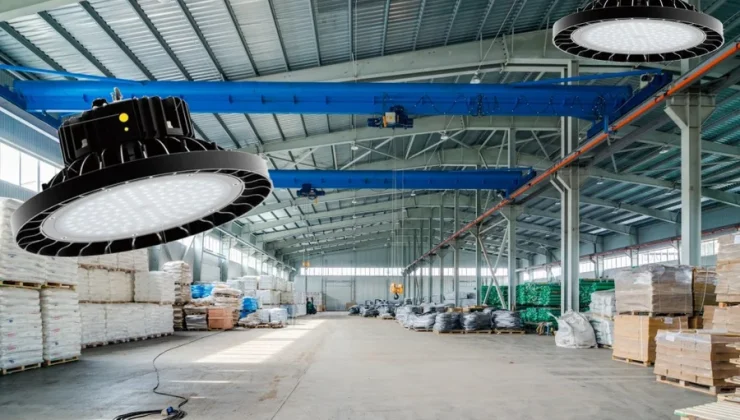
Large indoor environments such as warehouses, factories, gymnasiums, and logistics centers present unique lighting challenges that extend far beyond aesthetics. These facilities often have high ceilings, open layouts, and intensive operational demands that require uniform, bright, and efficient lighting to ensure both safety and productivity. Traditional lighting systems like metal halide or fluorescent fixtures, though once standard, are quickly becoming obsolete in the face of new technology and modern efficiency expectations.
The shortcomings of outdated lighting systems are evident in their high energy usage, uneven brightness, and frequent maintenance needs. In fast-paced work environments, even minor lighting inconsistencies can hinder visibility, increase the risk of workplace accidents, or cause eye fatigue among workers. More than just an operational inconvenience, inadequate lighting is increasingly viewed as a liability in competitive industries where safety, efficiency, and energy savings are prioritized.
Today’s commercial and industrial facilities are turning toward advanced lighting solutions that provide better illumination with lower long-term costs. Among these, LED high bay fixtures have emerged as a clear leader. Designed for ceilings ranging from 15 feet to over 40 feet, these fixtures deliver powerful, focused light with minimal energy consumption. Their growing adoption is not only driven by performance but also by the availability of specialized suppliers who make these products accessible and easy to implement.
Why LED High Bay Fixtures Lead the Way
The rapid shift toward LED high bay lighting has been driven by measurable advantages in efficiency, performance, and operational longevity. These fixtures are engineered to deliver high lumen output per watt, enabling businesses to reduce the number of fixtures required while still improving overall brightness. This efficiency translates to lower monthly utility costs, often yielding dramatic reductions in energy consumption compared to legacy systems.
In addition to power savings, the longevity of LED fixtures significantly lowers maintenance demands. Many models offer lifespans of 50,000 hours or more, meaning years of continuous operation without the need for frequent replacements. For large facilities with tall ceilings, this translates to fewer disruptions, lower labor costs for bulb changes, and less reliance on specialized equipment like lifts or scaffolding for routine maintenance.
As demand for LED upgrades continues to rise, businesses are prioritizing suppliers that offer both quality products and informed guidance. A trusted name in the industry, BuyRite Electric provides a wide range of commercial lighting solutions. Their wide selection of high-performance LED high bay lights supports various ceiling heights and layouts, helping facility managers implement lighting systems that are energy-efficient, durable, and tailored to specific operational environments.
Fixture Selection and Lighting Design Strategy
Selecting the right LED high bay fixture involves more than picking the brightest option on the market. An effective lighting upgrade begins with a detailed assessment of the space, including its dimensions, ceiling height, workflow layout, and intended lighting goals. Understanding how these variables interact is crucial to choosing the correct beam angles, lumen outputs, and mounting systems. What works for a gymnasium may not be optimal for a warehouse with tall racking systems.
The beam spread of each fixture must match the layout of the space. Wide beam angles are ideal for open areas like gymnasiums or manufacturing floors, where even coverage is essential. On the other hand, narrow beam fixtures are better suited to illuminating vertical aisles in warehouses. Improper selection can lead to underlit corners, over-illumination, or excessive glare, all of which diminish the value of the upgrade and can introduce safety risks.
Additionally, fixture spacing and mounting height must be precisely calculated to avoid overlaps or light voids. For instance, higher ceilings often require higher-lumen fixtures installed at wider intervals, while lower ceilings may demand tighter spacing and more moderate wattages. Facilities that skip this critical planning stage often end up with inconsistent lighting and inefficient energy usage. Working with a lighting consultant or using photometric software can ensure these elements are addressed in the design phase.
Energy Efficiency and Environmental Responsibility
Reducing energy consumption is a central driver behind the transition to LED high bay fixtures. Traditional HID and fluorescent systems are not only inefficient but also generate a substantial amount of heat, further taxing HVAC systems. In contrast, LEDs produce far less heat while offering the same or better brightness levels. This dual benefit helps cut utility costs and supports more sustainable energy use across large indoor spaces.
Environmental concerns are also influencing lighting decisions at the organizational level. Many companies are aligning their operations with sustainability initiatives, such as achieving net-zero emissions or qualifying for LEED certifications. LED fixtures support these goals by minimizing electricity consumption, reducing the frequency of replacements, and eliminating the presence of hazardous materials like mercury found in older fluorescent systems.
In many regions, local utilities and government programs offer incentives for commercial LED retrofits. These can include rebates, tax credits, and low-interest financing that help reduce the upfront cost of lighting upgrades. For businesses with tight capital budgets, these programs offer an opportunity to make necessary improvements without stretching financial resources. Over time, the energy savings and maintenance reductions compound, delivering strong financial and environmental returns.
Enhancing Safety and Operational Performance
Lighting directly influences safety outcomes in high-traffic industrial spaces. Poorly lit environments increase the likelihood of workplace accidents, particularly in areas where machinery, forklifts, or high shelving units are present. Shadows or uneven lighting can obscure hazards, while flickering or dim bulbs can cause eye strain and fatigue. LED high bay fixtures address these challenges by providing uniform, flicker-free illumination that enhances visibility across the entire floor.
Improved lighting also boosts productivity. Employees in well-lit environments tend to be more focused, make fewer errors, and require less downtime to recover from visual fatigue. In facilities where accuracy and consistency are vital — such as packaging lines or quality control zones — the benefits of LED lighting can be felt almost immediately. Bright, reliable light promotes better performance without the distractions caused by poor visibility.
Beyond physical safety and productivity, LEDs offer the flexibility to integrate with smart building technologies. Occupancy sensors, daylight harvesting, and programmable dimming features can tailor lighting conditions to specific needs, reducing waste and maximizing user comfort. These adaptive systems allow businesses to maintain optimal lighting levels without sacrificing efficiency, giving facility managers precise control over operational environments.
Financial Payback and Long-Term Value
While the cost of LED high bay fixtures may initially seem higher than traditional alternatives, their financial advantages become clear over time. The most obvious benefit is reduced energy consumption, which can lead to a 60 to 80 percent decrease in electricity costs compared to legacy systems. In facilities that operate 24/7, these savings accumulate quickly, creating a short payback period that often ranges between one and three years.
Maintenance savings also play a substantial role in overall ROI. Longer-lasting fixtures mean fewer replacements and less downtime for lighting-related repairs. This is particularly beneficial for high-ceiling environments, where bulb changes are not only time-consuming but often require expensive equipment or third-party services. Lower maintenance demands also reduce operational interruptions, ensuring smoother day-to-day performance.
Factoring in rebates, tax incentives, and reduced HVAC loads, LED lighting upgrades represent one of the most cost-effective capital improvements available to industrial and commercial operators. Businesses that take a lifecycle approach to capital planning quickly recognize that upfront savings on lower-cost lighting systems often lead to higher operational costs in the long run. Investing in quality LED high bay fixtures, installed with long-term performance in mind, ultimately offers the best value.
Evolving Technology and the Future of Lighting
The LED lighting sector is continuing to evolve at a rapid pace. Innovations such as tunable white LEDs now allow facilities to adjust color temperature based on the task or time of day, improving worker comfort and alertness. This is particularly beneficial in 24-hour operations or spaces that host multiple types of activities, such as event centers or sports complexes, where ambiance and function must coexist.
Wireless controls and IoT integration are also shaping the future of commercial lighting. Centralized dashboards can now monitor, adjust, and report on lighting performance across entire buildings or campuses. Facility managers can optimize light usage based on real-time occupancy data, respond quickly to faults, and analyze trends to reduce costs and improve efficiency. These capabilities make lighting a more integral part of smart building systems.
As LED high bay technology becomes more sophisticated, selecting forward-compatible products will be key. Choosing fixtures that can integrate with emerging technologies ensures that businesses stay ahead of the curve without having to reinvest in lighting infrastructure too frequently. Future-ready lighting systems support not only immediate performance goals but also long-term adaptability in an increasingly automated and data-driven world.