The Truth About Zero-Down Mortgages: Are They Worth It?
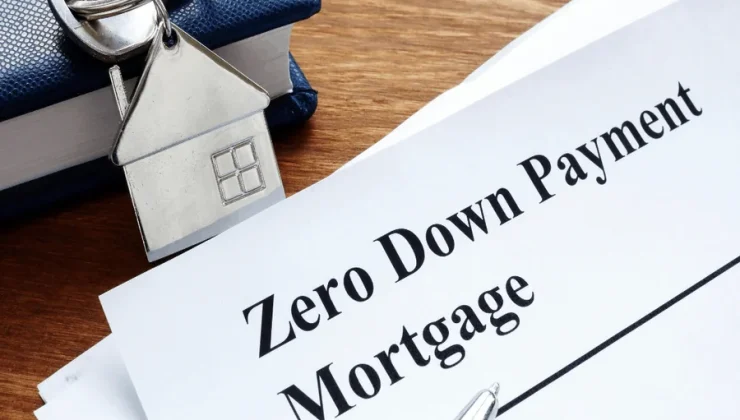
Buying a home is one of the biggest financial moves most people make. For many, the biggest hurdle is saving up for a down payment. That’s where zero-down mortgages come into play. These loans let buyers skip the traditional 20% down payment and jump straight into homeownership. Sounds great, right?
But is it the best choice? Zero-down mortgages can open doors for people who don’t have a lot saved up, but they also come with risks and costs that aren’t always obvious. Many California investors rely on hard money lending secrets California investors swear by to navigate financing options beyond traditional mortgages, giving them an edge in competitive markets.
What Exactly Is a Zero-Down Mortgage?
The zero-down mortgage is a type of home loan that does not require the buyer to make a down payment when they purchase their new house!!! Typical loans require 10% to 20% down on the purchase price of the home. And this way, you can show the lenders that you are serious, and their risk is lower. Zero-down mortgages, however, skip that first get-paid round.
Though mortgage loans with a down payment may on paper seem the most desirable, because they require no savings commitment, borrowers typically pay more in interest or need to buy mortgage insurance. This insurance safeguards the lender in case you don’t pay off, but at a cost to your monthly invoice.
Moreover, zero-down mortgages generally have additional guidelines regarding credit scores, income, and the property. Not everyone qualifies. You need to be able to know exactly how this loan will work, what it will cost, and what you should expect to pay every month.
While a zero-down mortgage can enable you to purchase a property with no high initial costs, it could end up being much more expensive for you in the long run.
The Pros: Why Zero-Down Loans Can Be Appealing
There are many reasons zero-down mortgages are so attractive. First and foremost, they allow you to purchase a whole house without having to have huge savings. That can mean tens of thousands of dollars, and for many people, saving 20% of a home’s price takes years. The no-money-down financing of home loans that is now available helps to lower the barriers to entry for yard ownership.
Another positive of zero-down loans is that they can help you close more quickly. There is no need to worry about shoring up a large savings cushion or putting off moving into your new home. That can be especially useful in hotter housing markets where prices are climbing fast.
VA Loan — Another zero-down mortgage program that offers low-interest rates and does not require PMI for veterans, active-duty military personnel. This can translate to major savings compared with other types of loans.
First-time buyers can also benefit from no-down-payment loans. To encourage homeownership, a number of lenders and government programs try to make these options available for those who wouldn’t otherwise qualify.
Lastly, zero-down loans leave you more money in your wallet right after closing. You can then use that money for home repairs, for furniture, or for a rainy day. So instead of just wasting your savings on a down payment, you have options.
While a zero-down mortgage has definite benefits, it’s not the best solution for everyone, so consider these downsides before making your decision.
The Cons: Hidden Costs and Risks to Watch For
While zero-down mortgages are typically the more notorious downside trade-off, others can be equally insidious. It means bigger monthly payments. When you are borrowing more money in the beginning, that means your loan amount is greater. So you end up paying a larger sum in interest over time.
Zero-down loans also typically require mortgage insurance. This allows the government to minimize some risks associated with offering loans without a down payment. You may pay mortgage insurance for the life of the loan in addition to hundreds a month on your payment.
The other risk is that you have less equity when you first start. Equity: The amount of the home that you own. Starting with no equity when you do not provide a down payment is risky, as if the value of homes decreases, your net worth goes into negative territory. When you owe more than the value of your home, selling or refinancing proves to be tough.
These loans are zero-down and often have a higher interest rate than your typical loan. As a result, this adds to the overall cost of the mortgage.
Finally, certain zero-down mortgages have more rigorous approval standards. Time may require you to have a better credit score or a consistent income. Your financial conditions change, and you may have some problems making your payments.
So the bottom line is that zero-down mortgages eliminate one of the very worst roadblocks — getting your foot in the door — but at the downside, to eventually pay more and take on more risk.