How Behavioral Telehealth Is Expanding Access to Mental Health Care in Chicago
Increased Accessibility Through Virtual Platforms
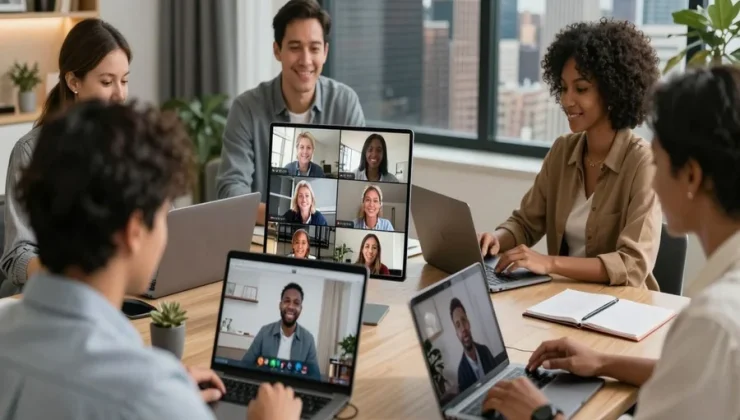
The way people in Chicago access mental health support has changed a lot lately. Virtual platforms are making it easier for folks to get help without leaving their homes. This is a big deal, especially for people who have trouble getting to appointments due to distance, work schedules, or other life stuff. Behavioral telehealth means more people can connect with therapists and counselors when they need it most.
In the context of Behavioral Telehealth in Chicago, Illinois, providers like Ear to Ear Behavioral Health Solution use secure online sessions to help residents access consistent mental health care without the added stress of travel or rigid scheduling.
The convenience of these virtual tools is a game-changer. It’s not just about being able to log in from your couch; it’s about breaking down barriers that used to keep people from seeking care. Think about someone juggling a full-time job and family responsibilities – fitting in an in-person therapy session could be nearly impossible. Behavioral telehealth offers a flexible solution.
This shift towards virtual access is helping to bridge gaps in care. It means that even if you’re in a busy part of the city or a quieter neighborhood, the support you need might just be a click away. The rise of behavioral telehealth in Chicago is directly tied to this improved accessibility.
Innovations in Chicago’s Behavioral Health Integration
Empowering Primary Care Providers with Digital Tools
Chicago’s approach to behavioral health integration is getting creative, especially when it comes to primary care. Instead of just adding more specialists, the focus is shifting to giving primary care doctors and nurses the tools they need to handle more mental health issues right in their own offices. This means providing them with easy-to-use guides for screening, diagnosing, and managing common problems like depression and anxiety. Think of it as giving them a mental health toolkit, complete with step-by-step instructions.
These digital tools are designed to be practical. They offer guidance on what questions to ask patients, suggest medications, and even point to helpful therapies. The goal is to make primary care providers feel more confident in addressing mental health concerns, reducing the need for immediate referrals. This behavioral health integration aims to catch issues early and provide initial support, making care more accessible.
The UChicago Primary Care – Behavioral Health Integration Program (BHIP) is a prime example, developing resources that help clinicians manage conditions like depression and anxiety without always needing to send patients to a specialist. This strategy is particularly important given the ongoing shortages of mental health professionals. By equipping primary care teams, the system can serve more people more effectively.
Expanding Depression Screening Across Specialties
Beyond primary care, Chicago is also broadening the reach of mental health screenings. Depression screening, which has been a staple in primary care for years, is now being extended to specialty clinics. This includes both pediatric and adult patients across various medical fields within the health systems. The idea is simple: meet patients where they are, even if they’re seeing a doctor for something else entirely.
This expansion is a smart move because many people who struggle with depression don’t always seek out primary care specifically for it. By integrating screening into other specialty visits, healthcare providers can identify individuals who might otherwise fall through the cracks. It’s about making mental health a routine part of overall health discussions, regardless of the initial reason for the visit.
This proactive approach aims to identify mental health needs earlier, offering a pathway to support and treatment before issues become more severe. It’s a key part of making behavioral health integration a standard practice.
Community Partnerships for Comprehensive Care
Recognizing that no single system can meet all mental health needs, Chicago is actively building bridges with community partners. These collaborations are vital for providing a more complete spectrum of care. When primary care or specialty clinics identify a patient needing more intensive support than they can offer, these partnerships ensure a smooth transition to appropriate services.
These alliances extend beyond the city limits, with some partners even offering telehealth services to patients in nearby areas. The focus is on connecting patients with resources that fit their specific needs, including insurance coverage and the type of therapy required. This network approach to behavioral health integration ensures that patients have access to a wider range of support.
This collaborative model is crucial for addressing the complex needs of individuals seeking mental health care. By working together, organizations can create a more robust and responsive system, ensuring that more Chicagoans receive the help they need, when they need it.
Patient Experiences with Virtual Behavioral Care
Reducing Wait Times for Mental Health Services
Many Chicagoans seeking mental health support have found that virtual behavioral care significantly cuts down the time spent waiting for an appointment. Instead of weeks or months, some individuals can connect with a therapist or counselor within days. This quicker access is a big deal, especially when someone is feeling distressed and needs help right away. The ability to get support faster means people can start working on their challenges sooner, potentially preventing issues from becoming more severe.
This rapid access is a direct result of how telehealth platforms operate. They remove many of the logistical hurdles that traditional in-person clinics face, like limited office space and scheduling complexities. For patients, this translates into a more immediate pathway to care. The reduction in wait times is one of the most celebrated benefits of behavioral telehealth.
It’s not just about speed, though. Getting help faster can also mean a more positive overall experience with the mental health system. When people don’t have to wait too long, they are more likely to feel hopeful and engaged with their treatment plan from the start. This initial positive impression can set the stage for better outcomes down the line.
Positive Patient Reception to Video Consultations
When it comes to video consultations for behavioral health, the feedback from patients in Chicago has been largely positive. Many appreciate the convenience of not having to travel to an office, especially those with busy schedules or mobility issues. Being able to connect with a mental health professional from the comfort of their own home or a private space makes the experience feel more comfortable and less intimidating for some.
This comfort level is key. For individuals who might feel anxious about seeking mental health care, the familiarity of their surroundings can make a big difference. It helps to lower the barrier to entry, making it easier for more people to engage with therapy. The virtual behavioral care model has proven effective in making these services feel more accessible and less daunting.
While some initial hesitation might exist, most patients find that the connection with their provider over video is surprisingly strong. They report feeling heard and understood, much like they would in an in-person setting. This suggests that technology can effectively bridge the gap, allowing for meaningful therapeutic relationships to form and thrive.
Educational Resources for Mental Health Empowerment
Beyond direct therapy sessions, behavioral telehealth in Chicago is also a powerful tool for providing educational resources. Many platforms now offer access to articles, videos, and interactive tools designed to help individuals understand their mental health better. This information can cover a wide range of topics, from managing anxiety to understanding different therapeutic approaches.
These resources serve to empower patients by giving them knowledge and coping strategies they can use between sessions. It’s about more than just talking; it’s about equipping individuals with the skills they need to manage their well-being independently. This proactive approach can lead to greater self-awareness and resilience.
Having these educational materials readily available through telehealth means patients can learn at their own pace and on their own schedule. This accessibility to information is a vital component of comprehensive mental health care, helping to destigmatize mental health issues and promote ongoing self-care practices within the community.
Organizational Strategies for Telehealth Success
Provider Training and Technology Champions
Making telehealth work smoothly means getting everyone on board. This starts with good training. Organizations need to make sure their staff knows how to use the tech. It’s not just about knowing how to click buttons; it’s about feeling comfortable and confident. Having people within the organization who are really good with telehealth and can help others is a big plus. These “technology champions” can show others the ropes and make them feel more at ease. This kind of support helps a lot when trying to get more people to use telehealth services.
Integrating Telehealth into Existing Workflows
Simply adding telehealth isn’t enough. It needs to fit into how things are already done. Think about how appointments are scheduled, how patient records are kept, and how follow-ups happen. When telehealth fits naturally into these processes, it’s much easier for everyone. It shouldn’t feel like an extra burden. Instead, it should feel like a natural extension of the care being provided. This makes telehealth a real option, not just a temporary fix. It helps keep things organized and efficient.
Balancing Virtual and In-Person Care Models
Not everyone is suited for or prefers virtual care all the time. Some people might need in-person visits for certain things, while others do great with video calls. The key is finding the right mix. Organizations need to figure out what works best for different patients and different types of care. This flexible approach ensures that patients get the support they need, whether it’s online or face-to-face. It’s about making sure that telehealth is a tool that expands options, not limits them. This balance is important for long-term success.
Expanding Reach Through Telehealth Partnerships
Connecting Patients with Community Resources
Telehealth is proving to be a powerful tool for linking individuals with vital community support systems. By breaking down geographical barriers, virtual platforms allow Chicago residents to access resources they might not have known about or been able to reach otherwise. This connection is key to holistic care.
Organizations are finding new ways to integrate telehealth services with local community programs. This means a patient receiving virtual therapy can also be easily connected to local support groups or social services, creating a more complete care plan. The goal is to make sure no one falls through the cracks.
These partnerships are essential for building a stronger mental health ecosystem in Chicago. They ensure that care extends beyond the virtual session, addressing the broader needs of individuals and families. This collaborative approach is a game-changer for expanding reach.
Telehealth Services Beyond Chicago’s Limits
While focused on Chicago, telehealth’s nature allows services to extend far beyond the city’s boundaries. This is particularly important for individuals who may have moved or have family outside the immediate area but still seek care from their Chicago-based provider. It keeps those connections alive.
This ability to serve patients regardless of their physical location opens up new possibilities for continuity of care. It means that life changes, like a job relocation, don’t have to mean a complete disruption of mental health support. The telehealth model offers flexibility.
The expansion of telehealth means that the reach of mental health services is no longer confined by physical proximity. This is a significant development for patient care.
Collaborative Care Models Enhanced by Technology
Technology is making collaborative care models more effective and easier to implement. When different providers, whether they are primary care physicians or specialists, can easily share information and coordinate care through secure platforms, the patient benefits immensely.
These enhanced collaborative models mean that a patient’s mental health needs can be addressed more holistically. For example, a primary care doctor can flag a concern, and a behavioral health specialist can quickly step in, all within a coordinated system. This integrated approach is what many have been striving for.
This synergy between different healthcare professionals, facilitated by telehealth, leads to better outcomes. It ensures that all aspects of a patient’s health are considered, making the care received more robust and responsive to individual needs. Telehealth is truly transforming how care is coordinated.
The Future of Behavioral Telehealth in Illinois

Sustaining Telehealth Momentum
The rapid shift to telehealth during the pandemic showed its potential. Now, the goal is to keep that momentum going. Many people in Illinois found telehealth to be a lifeline for mental health support. It’s clear that virtual care isn’t just a temporary fix; it’s becoming a permanent part of how we get help. The challenge now is making sure this access continues to grow and isn’t lost as things return to a new normal.
Organizations need to plan for the long haul. This means looking at how telehealth fits into their overall services. It’s about more than just having the technology; it’s about making it a reliable option for everyone who needs it. Continued investment and strategic planning will be key to ensuring that the benefits seen during the surge are maintained and expanded upon.
Addressing Logistical and Stigma Barriers
While telehealth has opened doors, some hurdles remain. Getting reliable internet access can still be tough for some folks, especially in rural parts of Illinois. Plus, there’s still a bit of a stigma around mental health, and some people might feel more comfortable talking face-to-face. We need to find ways to make virtual care feel just as safe and accessible as in-person visits.
Here are some ways to tackle these issues:
- Improve digital literacy: Offer simple guides and support for using telehealth platforms.
- Community outreach: Partner with local groups to spread the word and address concerns.
- Hybrid models: Combine virtual and in-person options to suit different needs and comfort levels.
Overcoming these challenges is vital for making sure telehealth truly serves everyone, no matter their location or personal feelings about seeking help.
Leveraging Technology for Underserved Populations
Behavioral telehealth has a big role to play in reaching people who have historically had trouble getting mental health care. Think about those in low-income areas, people with mobility issues, or those who face discrimination. Virtual platforms can break down many of the barriers that kept them from getting help before. It’s about using technology to level the playing field.
- Mobile clinics: Use apps and mobile-friendly platforms to reach people on the go.
- Multilingual support: Offer services in various languages to serve diverse communities.
- Partnerships: Work with community centers and schools to connect directly with underserved groups.
The future of behavioral telehealth in Illinois looks promising, with a focus on making care more accessible and effective for all residents.
Looking Ahead: The Future of Behavioral Telehealth in Chicago
The shift towards telehealth in behavioral healthcare isn’t just a temporary fix; it’s a lasting change that’s making a real difference in Chicago. While it’s not a perfect solution for everyone, the benefits are clear. Telehealth is breaking down barriers, making it easier for people to get the mental health support they need, when they need it. As technology improves and more providers get comfortable with these tools, we can expect even greater access and more efficient care. It’s about meeting people where they are, offering help in ways that fit their lives, and ultimately building a stronger, healthier community for all Chicagoans.