What Are The Early Symptoms of Serious Illness You Shouldn’t Ignore?
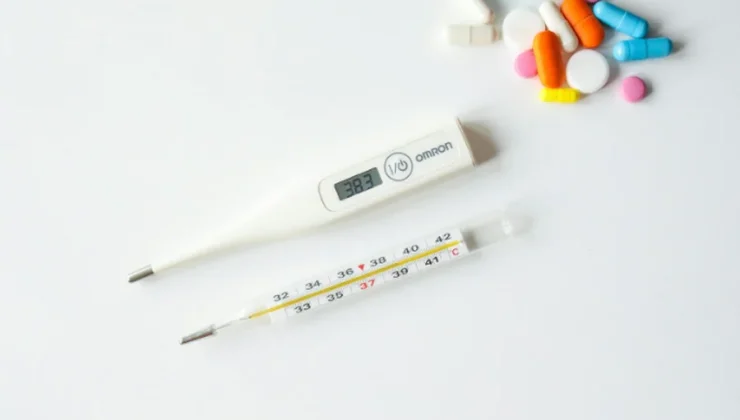
Your body has a way of speaking to you long before a serious illness takes full control. It whispers in small changes, persistent fatigue, sudden weight loss, or unusual pains, which often get brushed off as stress or part of aging. While it’s easy to dismiss these signs, they may point to something more urgent. For example, cancers and chronic diseases often begin with symptoms that seem minor at first but become critical if left unchecked.
One area where this is especially true is liver health. Many people don’t realize that liver conditions, including liver cancer, can quietly develop without noticeable signs until later stages. In fact, early detection often makes a major difference in treatment outcomes, and being aware of subtle symptoms can give you the best chance of acting in time. That’s why it’s so important to listen to your body, recognize the warnings, and seek medical advice when something doesn’t feel right.
Let’s explore some of the early symptoms of serious illnesses you should never ignore, starting with organ-specific red flags.
Organ-Specific Red Flags: Understanding Early Warnings
Different organs show distress in unique ways, but these signals are often mistaken for everyday problems. The liver, for instance, is vital for filtering toxins and aiding digestion, yet early issues often appear subtle. Some liver cancer warning signs that women in particular should watch for include ongoing abdominal pain, unexplained weight loss, constant fatigue, or yellowing of the skin and eyes. Because these symptoms are so often dismissed as common digestive problems or stress, they can go unnoticed until the disease has progressed.
Catching these signs early is essential. Even if the symptoms seem mild, seeking medical advice can make a major difference in getting timely treatment and improving long-term outcomes.
Persistent Fatigue and Low Energy
Feeling tired after a long week is normal, but when exhaustion becomes constant and doesn’t improve with rest, it’s a red flag. Persistent fatigue may be linked to thyroid disorders, anemia, diabetes, or even heart disease. In some cases, it can also signal certain cancers.
The key difference between everyday tiredness and medical fatigue is consistency. If you’re sleeping enough, eating well, and still feel drained, your body may be alerting you to an underlying problem. If this fatigue comes with additional symptoms like sudden weight changes, dizziness, or shortness of breath, it’s time to consult a healthcare professional.
Unexplained Weight Loss or Gain
Weight naturally fluctuates, but sudden and unexplained changes should never be ignored. If you lose a significant amount of weight without dieting or exercising, it may point to conditions like hyperthyroidism, digestive disorders, diabetes, or even cancer. On the other hand, rapid weight gain without lifestyle changes could be linked to hormonal issues, kidney problems, or fluid retention caused by heart or liver disease.
The key is recognizing when changes don’t match your habits. If your weight shifts dramatically within a short period and you can’t explain why, it’s worth seeking medical advice to rule out serious conditions.
Breathing Troubles and Chest Pressure You Shouldn’t Ignore
It’s normal to feel winded after intense exercise, but finding yourself short of breath during simple tasks, or even while resting, is a cause for concern. Ongoing breathing difficulties may be linked to conditions such as asthma, chronic obstructive pulmonary disease (COPD), or even heart and lung problems.
Chest pressure or pain is another serious warning. If the discomfort spreads to your arm, back, neck, or jaw, it could be an early sign of blocked arteries or a heart attack.
These symptoms might not appear every day, but even occasional episodes are worth taking seriously. Getting checked early can make all the difference in preventing life-threatening cardiovascular events. Don’t wait until it becomes an emergency; your body is signaling that something needs attention.
If you are looking to address liver health concerns, you can book a liver cystic tumor treatment in Singapore at top medical centers equipped with advanced diagnostic and treatment facilities. Singapore offers world-class healthcare with experienced hepatologists and surgeons who provide personalized care plans, ensuring accurate diagnosis and effective treatment. By choosing to book a liver cystic tumor treatment in Singapore, patients gain access to modern imaging technologies, minimally invasive procedures, and comprehensive follow-up care, all aimed at improving outcomes and overall well-being.
Digestive Changes That Persist
Your digestive system often reflects your overall health. While temporary bloating, indigestion, or diarrhea may be caused by food or stress, persistent changes are more concerning. Warning signs include ongoing stomach pain, blood in stool, or a sudden shift in bowel habits.
These symptoms could point to conditions like ulcers, inflammatory bowel disease, or cancers of the stomach and colon. The general rule: if a digestive issue lingers beyond two to three weeks, it’s not just a passing problem. Seeking medical advice can help identify whether the cause is minor or something that requires urgent attention.
Unexplained Pain That Doesn’t Go Away
Pain is your body’s way of signaling trouble. While minor aches may be due to strain or aging, pain that lingers or worsens over time deserves closer attention. Chronic headaches could be a sign of neurological conditions, while ongoing back pain may point to spinal issues, kidney problems, or even certain cancers.
Many people mask pain with over-the-counter medications without identifying the root cause. While this may provide short-term relief, it doesn’t solve the underlying issue. If you find yourself living with unexplained or worsening pain, consult a doctor instead of ignoring it.
Skin and Visible Changes
Your skin can reveal a lot about your health. Sudden changes, such as new moles, dark patches, persistent rashes, or unexplained bruising, should raise concern. For example, new or evolving moles may be an early sign of skin cancer.
Other changes, like yellowing of the skin or eyes, may indicate liver disease, while darkened patches could suggest hormonal imbalances or diabetes. Because your skin is visible, it offers one of the easiest ways to spot early symptoms of serious illness. Paying attention to these changes and acting on them can help catch conditions early.
Your body is constantly communicating, often through small and subtle changes. While it’s tempting to brush off fatigue, pain, or digestive issues as “normal,” they can sometimes be early warnings of something serious. Recognizing these signs and acting quickly can make all the difference in treatment and recovery.
Not every symptom points to a severe illness, but when issues persist or worsen, it’s always better to be safe than sorry. Listening to your body, paying attention to unusual changes, and seeking timely medical advice can help you stay in control of your health. Early detection not only improves treatment options but also gives you the confidence and reassurance that you’re taking charge of your well-being.