Creating a Comfortable Home Environment for Every Season
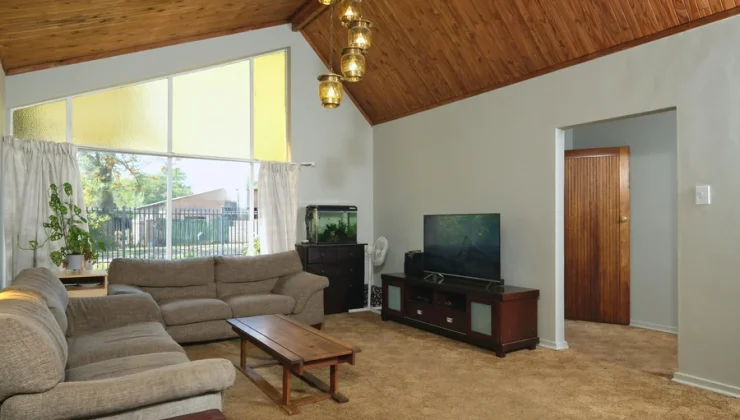
Creating a comfortable home environment is something most people want, but it can feel hard to manage as the seasons change. Some days your home feels just right. On other days, it feels too warm, too cold, or just off. If you live in Sterling, VA, you know how quickly the weather can shift. Summers can feel heavy and humid, while winters bring long, cold stretches. These changes make year-round comfort more important than many homeowners realize. The good news is that comfort does not have to feel complicated. With the right habits and planning, your home can feel steady and inviting in every season.
Comfort is not only about setting the thermostat. It also involves airflow, air quality, humidity, and the coordination of your systems. When these things stay in balance, your home feels better without constant adjustments. This article walks through simple ways to support comfort throughout the year, without stress or technical details.
To ensure your home remains a sanctuary throughout the year, it’s crucial to address the efficiency of your heating and cooling systems. Regular maintenance and timely upgrades can significantly enhance comfort levels, especially in regions with extreme temperatures. For those residing in the Southwest, consulting with HVAC companies serving Arizona homes can provide tailored solutions that optimize energy use and maintain ideal indoor climates. These experts can assess your current systems, recommend improvements, and ensure that your home is equipped to handle seasonal changes with ease. By investing in professional guidance, you can create a living space that is both comfortable and energy-efficient, no matter the season.
Year-Round Comfort Starts With System Care
A comfortable home starts with systems that work as intended. When heating and cooling equipment runs smoothly, the rest of the home feels more predictable. This is why many homeowners rely on professional HVAC service in Sterling, VA to help keep their systems in good shape throughout the year. Regular care helps prevent sudden issues and keeps temperatures consistent during seasonal changes.
System care is not about waiting for something to break. It works best when it stays part of a routine. A well-maintained system heats and cools more evenly. It also improves airflow, helping all rooms maintain similar temperatures. When systems run efficiently, they place less strain on parts and controls.
Local weather patterns also play a role. Homes in this area experience humidity, temperature swings, and extended usage periods. Addressing these factors early helps reduce discomfort later. When homeowners stay ahead of their systems’ needs, comfort is easier to manage. Instead of reacting to problems, they enjoy steady performance and fewer surprises.
Spring Comfort Tips for a Smooth Seasonal Transition
Spring often brings uneven temperatures. Mornings can feel cool, while afternoons warm up fast. This shift can make it difficult to maintain comfortable indoor spaces. One of the best ways to handle spring comfort is to focus on airflow and cleanliness.
Start by checking air filters. Clean filters allow air to move freely and improve indoor air quality. Dust and pollen increase during spring, which can affect comfort and breathing. Keeping filters fresh helps reduce buildup inside the home.
Spring also offers a good time to check vents and registers. Make sure furniture or rugs do not block airflow. Even small obstructions can make some rooms feel warmer or cooler than others. Simple adjustments can make a noticeable difference.
Staying Cool and Comfortable During Summer
Summer comfort often depends on consistency. When heat and humidity rise, uneven cooling becomes more noticeable. Some rooms may feel fine, while others feel warm and sticky. This usually points to airflow or humidity issues rather than temperature settings alone.
Using ceiling fans helps circulate air and support cooling. Fans do not lower temperatures, but they help rooms feel more comfortable. Keeping blinds or curtains closed during the hottest parts of the day also helps limit heat gain.
Humidity control plays a big role in summer comfort. When indoor air feels heavy, the home feels warmer than it actually is. Balanced humidity makes cooling feel more effective and improves overall comfort. Simple habits, such as using kitchen and bathroom fans, can help manage moisture levels.
Fall Preparation for a Cozy Home
Fall feels like a break between extremes, but it also serves as a key preparation period. Temperatures can change quickly, especially overnight. Preparing early helps your home adjust without stress.
This season works well for checking thermostat settings and schedules. Ensure your system transitions smoothly between heating and cooling as needed. Sudden temperature drops can catch homeowners off guard if systems are not ready.
Fall also provides time to walk through your home and notice comfort changes. Pay attention to drafts, cool spots, or uneven warmth. Addressing these issues early helps avoid discomfort when winter arrives.
Winter Comfort Without High Stress
Winter comfort depends on steady warmth and good air balance. Cold spots often appear near windows, doors, or unused rooms. These areas can affect the overall feel of the home.
Keeping vents open in all rooms supports balanced airflow. Closing vents can seem helpful, but it often causes more problems. Proper airflow helps systems run smoothly and keeps temperatures even.
Indoor air often becomes dry during winter. Dry air can cause discomfort, including dry skin and irritation. Using a humidifier or adding moisture through daily habits can help improve comfort. Even small changes can make the home feel warmer and more pleasant.
The Role of Indoor Air Quality All Year
Air quality affects comfort in every season. Dust, allergens, and buildup can make homes feel stuffy or stale. Clean air helps spaces feel fresher and easier to breathe in. When the air feels clean, the entire home feels more comfortable, even if the temperature stays the same.
Regular filter changes support better air quality. Dirty filters allow dust and debris to circulate, which can affect comfort and airflow. Vacuuming vents and keeping surfaces clean also helps reduce airborne particles. These simple steps provide comfort with minimal effort and help keep indoor spaces feeling fresh.
Good airflow helps maintain clean air throughout the home. When air moves properly, it prevents buildup in certain rooms and keeps conditions balanced. This matters during both heating and cooling seasons.
Overall, comfort does not come from a single change or upgrade. It builds over time through steady care, awareness, and simple routines. When homeowners focus on year-round comfort, their homes feel easier to live in.
Seasonal planning, daily habits, and system care all work together. None of these steps require major effort. They simply support balance and consistency.
A comfortable home feels calm and predictable. When systems run well, and habits stay simple, comfort becomes part of everyday life rather than something to manage.