How Hail Size Impacts Roof Damage and Restoration Needs
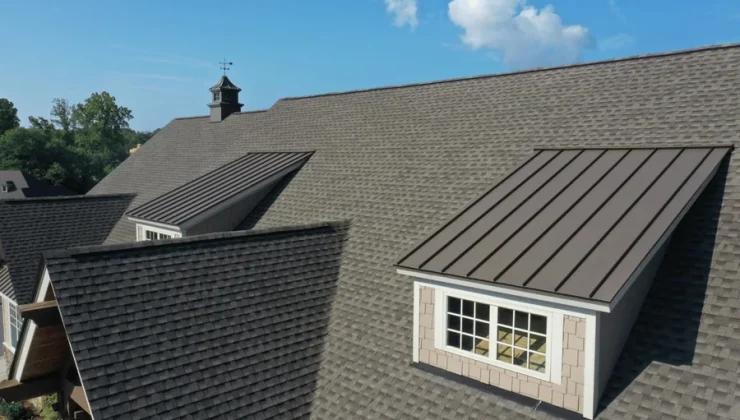
Hailstorms strike without warning, leaving roof surfaces vulnerable to impact. The force of hail can break protective layers, dent panels, or loosen shingle granules. Even a brief storm has the power to shorten a roof’s lifespan when the hailstones reach a certain size.
Experts in hail damage restoration for residential roofs evaluate the effects of hail size on roofing materials and offer homeowners a clear understanding of their roof’s status. Small pellets may seem harmless, yet repeated strikes weaken roofing layers little by little. Larger hailstones can break shingles entirely, allowing moisture to enter areas that must remain sealed. This article explains how hailstone size affects roofing materials, structural integrity, inspection needs, repair methods, and long-term value.
Small Hail Can Create Hidden Surface Issues
Small hailstones can produce minor dents or granule loss, which is difficult to notice from the ground. Although they rarely crack shingles, these small impacts may weaken the protective layer that shields against UV rays. Over time, exposed shingles deteriorate faster and become more vulnerable to leaks during heavy rain.
Hidden roof harm can accumulate slowly after repeated storms. The damage weakens shingles even when the top appears normal at first glance. A granular coating should block sunlight and water penetration, yet small impacts disrupt that surface protection. Slightly damaged areas may begin to absorb water during seasonal changes.
Medium Hail Creates Noticeable Roofing Defects
Medium-sized hail causes more evident damage that requires a closer look. Cracked shingles or dents across metal panels show the immediate effects. Structural coatings may chip away from repeated pressure, leaving vulnerable spots that need sealing. Inspections after medium hailstorms frequently reveal bent flashing or bruised shingles.
Medium hail may not remove an entire top covering, yet it damages enough to justify immediate evaluation. If protective surfaces peel away, water may travel underneath. That moisture harms wood decking or insulation.
Large Hail Delivers a Severe Impact to Roofing Systems
Larger hailstones break shingles or dent metal roofs deeply. Heavy impacts frequently fracture protective barriers, allowing rainwater to reach the underlying materials. Severe dents across metal panels can lead to weakened structural support. Shingle breakage causes widespread leaks that spread across vulnerable sections.
Extensive cracking requires urgent attention before moisture penetrates sensitive components. Large hail may destroy an entire slope or section of the top, forcing a significant restoration project. Steel or aluminum may withstand surface dents, but deep impact dents can compromise long-term reliability.
Inspection Determines the Correct Restoration Method
Inspection helps determine whether small repairs or major replacements are required. Roofing specialists evaluate dents, cracks, bruising, and compromised coatings. They look at flashing joints, ridge caps, edges, and exposed seams. Moisture readings support the evaluation and indicate whether water has seeped into structural layers.
The inspection process measures top integrity instead of relying on assumptions. A professional may recommend a patch, full replacement, or a strategic repair strategy. The right method reduces long-term expenses and ensures safety. A proper evaluation helps extend the structure’s lifespan.
Impact on Roof Lifespan and Long-Term Value
Hail size plays a major role in how long a roofing system can remain dependable. Larger stones shorten lifespan immediately by causing breakage that exposes the structure to moisture. Medium hail reduces longevity slowly by weakening protective layers that would normally resist harsh weather.
Long-term value depends on how quickly damage receives attention. Repairs help preserve durability, while neglected cracks and dents reduce structural strength over time. A roof that remains intact offers better resale appeal for any homeowner.
Different hail sizes create different levels of roof harm, ranging from hidden surface wear to severe structural damage. Professionals providing hail damage restoration for residential roofs understand how hailstone size affects repair requirements, inspection focus, and long-term roof strength. Careful assessment, appropriate repairs, and timely protection ensure a safer and stronger roofing system.