How to Create a Home That Actually Feels Like Yours
Moving into a new space is exciting. It’s also completely overwhelming.
Suddenly you’re faced with a thousand decisions. What color should the walls be? Does that couch fit the room? Why does everything cost so much?
Whether you’re building from scratch or moving into an existing property, transforming a house into a home takes thought. It takes patience. And honestly, it takes a few mistakes along the way.
But here’s the good news: you don’t need to be an interior designer to create a space you love. You just need some guidance, a bit of planning, and the willingness to trust your own taste.
This guide walks you through the entire process. From those early planning stages to the final decorative touches, we’ll cover what actually matters when creating a home that reflects who you are.
Starting Fresh: The Appeal of Building Your Own Place
There’s something special about starting with a blank canvas.
No previous owner’s questionable paint choices. No carpet that’s seen better decades. No wondering what that weird stain in the corner might be.
Building new means everything gets decided by you. The layout. The finishes. The flow from room to room. It’s a level of control that renovating simply can’t match.
Of course, that control comes with responsibility. Every decision falls on your shoulders. And for first timers, that can feel paralyzing.
The key is finding the right team to guide you through it. Good builders don’t just construct walls and roofs. They help you understand options you didn’t know existed. They flag potential issues before they become expensive problems. They translate your vague ideas into actual blueprints.
For those taking this path for the first time, working with experienced professionals makes everything smoother. Beachwood Homes helping first-time home builders understand that newcomers need more hand holding, and that’s perfectly okay. The right builder treats your questions as valid, not annoying.
When evaluating potential builders, look beyond just price. Check their communication style. Visit homes they’ve completed. Talk to previous clients about their experience, not just the finished product.
Building your own place is a marathon, not a sprint. Having partners who understand that makes the journey far more enjoyable.
To truly make your home a reflection of your personality, consider collaborating with professionals who understand your vision. Whether you’re looking to renovate or build from scratch, it’s essential to work with experts who can bring your ideas to life. For those in the Zebulon area, you can find expert Zebulon home builders at Hafsa Building Group Co. who specialize in creating spaces that resonate with your unique style. Their team is dedicated to ensuring that every detail aligns with your preferences, making your home not just a place to live, but a sanctuary that feels authentically yours. Embrace the opportunity to craft a living space that tells your story.
Planning Your Space Before Furniture Shopping
Here’s a mistake almost everyone makes: buying furniture before thinking about how rooms will actually function.
That gorgeous sectional looks amazing in the showroom. But will it work in your living room? Will it block natural pathways? Can you actually watch TV comfortably from it?
Before spending a cent on furniture, spend time in your space. Empty rooms reveal a lot.
Notice where natural light falls at different times of day. Observe traffic patterns. Think about how you actually live, not how magazines suggest you should live.

Do you eat dinner at a table, or are you a couch and TV kind of household? Be honest. There’s no judgment here.
Do you host often, or is your home primarily a retreat from social obligations? Both are valid. But they require different furniture choices.
Sketch rough layouts on paper. Use painter’s tape on floors to visualize furniture footprints. These low tech approaches prevent expensive mistakes.
Measure everything twice. Then measure again. That credenza you fell in love with online means nothing if it doesn’t fit through your doorway.
The Living Room: Where Most Life Actually Happens
Let’s be real. The living room gets more use than any other space in most homes.
It’s where you unwind after work. Where weekend mornings happen slowly with coffee and nowhere to be. Where friends gather and conversations stretch into late hours.
Getting this room right matters more than almost any other design decision.
Start with seating. Comfort trumps aesthetics every single time. A beautiful sofa you hate sitting on will just collect dust while everyone crowds onto that ratty old armchair that actually feels good.
Test furniture in person when possible. Sit in it. Lie on it. Imagine spending three hours there binge watching your favorite show. Still comfortable? Good.
Next, consider your entertainment setup. Television viewing remains central to most living rooms, whether we admit it or not.
Your TV needs proper support. Wall mounting works for some spaces, but a quality tv console offers flexibility and storage that mounting can’t match. Plus, you avoid putting holes in walls you might regret later.
Look for pieces that balance form and function. Storage for gaming systems, sound bars, and the inevitable cable clutter keeps things looking clean. Drawers or closed cabinets hide the mess that accumulates in any living space.
The height matters too. Your screen should sit at a comfortable eye level when you’re in your primary viewing position. Too high strains necks. Too low feels awkward.
Lighting: The Most Underrated Design Element
Good lighting transforms spaces. Bad lighting ruins them. It’s that simple.
Yet most people treat lighting as an afterthought. They move in, screw in some bulbs, and wonder why their home feels off.
Layer your lighting. This isn’t designer speak for spending more money. It means combining different light sources at different levels.
Overhead fixtures provide general illumination. But relying solely on ceiling lights creates harsh shadows and unflattering conditions for pretty much everything.
Add table lamps for softer, localized light. Floor lamps fill corners that overhead fixtures miss. Task lighting focuses brightness where you actually need it, like reading nooks or kitchen counters.
Dimmer switches cost almost nothing and change everything. Being able to adjust intensity based on time of day and activity makes rooms infinitely more livable.
Consider bulb temperature too. Warm lights create cozy, relaxing atmospheres. Cooler lights feel more energizing and modern. Most spaces benefit from warm tones, but workspaces often function better with cooler options.
Natural light deserves attention as well. Don’t block windows with furniture. Use sheer curtains that filter harsh sun without eliminating brightness entirely.
Color and Texture: Adding Personality
White walls are safe. They’re also boring.
Now, I’m not suggesting you paint every room a different bold color. That way lies madness and regret. But incorporating color thoughtfully brings spaces to life.
Start with neutrals as your base. Whites, grays, beiges, and taupes create calm foundations. Then introduce color through elements that are easier to change: throw pillows, artwork, rugs, curtains.
This approach lets you experiment without commitment. Tired of that teal accent? Swap out the pillows. It’s much easier than repainting an entire room.
Texture adds dimension without color complexity. A chunky knit throw on a smooth leather sofa creates visual interest. A woven basket next to a sleek side table provides contrast.
Mix materials throughout each room. Wood, metal, fabric, glass, ceramic. The interplay between different textures makes spaces feel curated rather than catalog ordered.
Storage Solutions That Actually Work
Here’s an uncomfortable truth: stuff accumulates.
No matter how minimalist your intentions, things pile up. Mail. Books. Random cables you’re afraid to throw away because you might need them someday. Kids’ toys if you have them. Pet supplies. The list never ends.
Smart storage makes this reality manageable.
Built-ins maximize awkward spaces. That weird nook under the stairs? Perfect for custom shelving. The wall around your fireplace? Add cabinetry for books and display items.
Furniture that doubles as storage earns its keep. Ottoman with an internal compartment. Coffee table with drawers. Bed frame with underneath space.
Closed storage hides chaos. Open shelving looks great in photos but requires constant curation in real life. Be honest about your organizational tendencies before committing to open systems.
Vertical space often goes unused. Tall bookcases draw the eye upward and make rooms feel larger while providing tons of storage. Wall mounted shelves keep floors clear.
The key is having a home for everything. When items don’t have designated spots, they end up everywhere. And everywhere quickly becomes overwhelming.
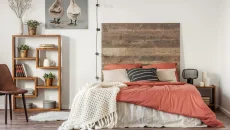
Making Bedrooms Restful
Your bedroom has one job: helping you sleep well.
Every design decision should serve that purpose. This isn’t the place for stimulating colors or cluttered surfaces. Calm is the goal.
Invest in your mattress. Spend more than feels reasonable. You spend roughly a third of your life in bed. Nothing impacts daily quality of life more than sleep quality. Nothing.
Bedding matters almost as much. Quality sheets in natural fibers breathe better and feel better against skin. They’re one of those upgrades you’ll wonder why you ever resisted.
Keep electronics minimal. Televisions in bedrooms are controversial among sleep experts for good reason. The bedroom should signal rest to your brain, not entertainment.
Blackout curtains help enormously if outside light disrupts your sleep. Even small amounts of ambient light can affect sleep quality without you realizing it.
Temperature control deserves consideration. Most people sleep better in slightly cool environments. Ceiling fans, good climate control, and breathable bedding all contribute.
Kitchens: Function Over Everything
Pretty kitchens are nice. Functional kitchens are essential.
If you cook regularly, layout trumps aesthetics every time. The classic work triangle between stove, sink, and refrigerator exists for good reason. These elements should be accessible without obstacles.
Counter space is never enough. Seriously. However much you think you need, add more if possible. Cluttered counters make cooking frustrating and cleanup worse.
Storage near where you use items saves daily frustration. Pots and pans near the stove. Dishes near the dishwasher for easy unloading. Spices within reach of your prep area.
Good lighting matters enormously in kitchens. Under cabinet lighting illuminates work surfaces that overhead fixtures miss. Task lighting over islands or peninsulas serves both functional and aesthetic purposes.
Don’t neglect ventilation. Cooking produces moisture, odors, and sometimes smoke. A proper range hood that actually vents outside makes a noticeable difference in air quality.
Outdoor Spaces: Extending Your Living Area
If you have outdoor space, use it.
Patios, balconies, courtyards, and yards effectively add square footage to your living area. Treating them as afterthoughts wastes valuable real estate.
Define zones just like you would inside. Dining area. Lounging area. Maybe a cooking zone if grilling is your thing.
Weather appropriate furniture is worth the investment. Cheap outdoor furniture falls apart after one season. Quality pieces last years and look better doing it.
Shade matters more than you think. Umbrellas, pergolas, shade sails, or strategic plantings make outdoor spaces usable during more hours and more seasons.
Greenery brings life to outdoor areas. Even small balconies can accommodate potted plants. Larger spaces benefit from a mix of heights and types.
Lighting extends usability into evening hours. String lights create ambiance without complexity. Solar path lights require zero electrical work.
Bringing It All Together
Creating a home isn’t a single event. It’s an ongoing process.
You’ll make choices that don’t work. You’ll change your mind about colors, furniture placement, and decorative elements. That’s not failure. That’s living.
Start with the foundational pieces. Invest in quality where it matters most: seating you’ll use daily, the bed you’ll sleep in nightly, the storage that keeps chaos manageable.
Add personality gradually. Collections develop over time. Art finds you when you’re not looking. The objects that make a house feel like your home often arrive unexpectedly.
Don’t compare your space to curated social media images. Those photos are staged. Nobody actually lives in rooms that look like that. Real homes have mail piles and slightly crooked pillows and that one corner that never quite works.
Trust the process. Trust your taste. And remember that the goal isn’t perfection.
The goal is a space that feels right when you walk through the door. A place where you can exhale. Where your shoulders drop and your mind settles.
That’s home. And you’re absolutely capable of creating it