Uneven Cooling at Home? Here’s What It Might Mean
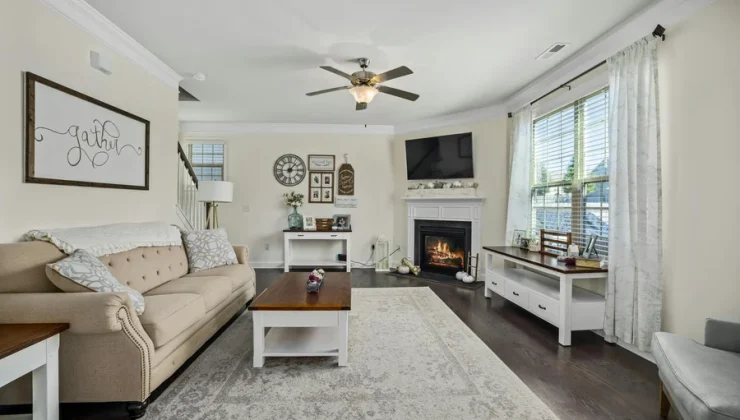
Have you ever moved from one room in your home to another and felt a noticeable temperature difference right away? One space feels cool and comfortable, while another feels warm and unpleasant. Uneven cooling is a common issue for many homeowners. In areas like Navarre, FL, where air conditioners often run for extended periods throughout the year, these temperature changes can become hard to ignore. Many homeowners sense something is off but feel unsure about what is causing the issue or whether it needs immediate attention.
The truth is that uneven cooling rarely happens without a reason. In most cases, the problem comes from a combination of airflow, system design, or home structure issues. While it may feel frustrating, uneven cooling is often fixable. Understanding what it might mean allows you to take action that protects your comfort, lowers energy costs, and helps your air conditioning system perform better over time.
How Your Air Conditioning System Impacts Temperature Balance
Your air conditioning system is responsible for delivering cool air evenly throughout your home. When everything works as it should, air flows smoothly through the system and reaches each room at a similar rate. When something disrupts that balance, certain rooms receive more cooled air while others receive very little. You can contact an AC mechanic in Navarre, FL if you notice that your system runs frequently but still leaves parts of the home uncomfortable.
In warm climates like Navarre, FL, air conditioners work harder and longer than in many other regions. This constant demand can expose problems that may not appear right away. Worn components, reduced airflow, or improper system sizing can all limit how evenly air spreads through the home. Even if the AC seems to turn on and off normally, these hidden issues can quietly affect comfort in different rooms.
Ductwork Problems That Affect Cooling Balance
Ductwork acts as the delivery system for cooled air. When ducts stay sealed and properly designed, air reaches every room efficiently. When ducts develop leaks, gaps, or loose connections, cooled air escapes before it reaches its intended space. This loss results in some rooms cooling quickly while others never seem to improve.
Duct layout also plays an important role. Long duct runs, sharp turns, or crushed sections slow airflow and reduce pressure. Rooms located farther from the air handler often feel the effects first. In older homes, duct systems may not have been designed to handle modern cooling demands. Since ductwork stays hidden behind walls and ceilings, these problems often continue unnoticed until uneven cooling becomes persistent.
Thermostat Placement and Settings
Your thermostat controls when and how long your air conditioner runs. Its location can strongly influence how the system responds to indoor temperatures. If the thermostat sits near a heat source, window, kitchen, or hallway, it may detect temperatures that do not represent the rest of the home.
When this happens, the AC may shut off too soon or run longer than needed. Some rooms cool excessively while others remain warm. Incorrect thermostat settings can make the issue worse, especially in homes with zoning systems. When zones are not properly adjusted, airflow becomes uneven. Correct thermostat placement and thoughtful setting adjustments often improve overall comfort and system performance.
Home Layout and System Capacity Challenges
Over time, cooling performance can decline as components wear down and airflow weakens, especially during periods of high demand. When this happens, temperature differences between rooms become easier to notice. Rooms that already receive less airflow often feel the effects first, making comfort harder to maintain throughout the home.
Home size and layout also play an important role in temperature balance. When the cooling capacity does not match the overall space, some rooms cool faster than others. Areas closer to the main airflow paths may feel comfortable, while rooms farther away remain warm. When cooling cycles happen too quickly, air does not have enough time to circulate properly, which leads to uneven temperatures and reduced comfort.
Insulation Issues in Certain Rooms
Insulation plays a key role in maintaining even indoor temperatures. It slows the transfer of heat from outside into your home. When insulation is missing, damaged, or poorly installed, some rooms heat up faster than others. Attics, garages, bonus rooms, and rooms with large windows often experience this problem.
Even when your air conditioner delivers cool air effectively, poor insulation allows outdoor heat to overpower it. This creates hot spots that feel uncomfortable and difficult to manage. Improving insulation helps cooled air stay where it belongs and supports more consistent temperatures throughout the home.
How Uneven Cooling Can Increase Energy Bills
Uneven cooling often leads homeowners to adjust the thermostat in an attempt to improve comfort. Lowering the temperature causes the AC to run longer, even though it does not solve the underlying issue. The system works harder while certain rooms remain uncomfortable.
As runtime increases, energy use rises and system components experience more wear. Over time, this leads to higher utility bills and a greater chance of breakdowns. Addressing uneven cooling allows your system to operate more efficiently and reduces unnecessary energy use.
Simple Steps Homeowners Can Take First
Before assuming a major repair is necessary, homeowners can take a few practical steps. Make sure all supply and return vents remain open and unobstructed. Replace air filters regularly to support healthy airflow. Check thermostat settings and ensure nearby heat sources do not interfere with temperature readings.
These steps often improve airflow and comfort, but they may not resolve deeper problems. When uneven cooling continues, it usually points to ductwork, insulation, or system design issues that require professional evaluation.
Uneven cooling can make your home uncomfortable and frustrating, especially during hot weather. While the issue may seem small at first, it often signals airflow, ductwork, or system concerns that should not be ignored.
Paying attention early helps prevent rising energy costs and larger repairs later. With the right approach and timely care, steady and comfortable cooling throughout your home is absolutely achievable.