Activities to Help Maintain Motor Skills in Assisted Living
As people age, maintaining motor skills becomes increasingly important for independence, confidence, and overall quality of life. Motor skills—both fine and gross—allow seniors to perform daily tasks such as dressing, eating, walking, and writing. In assisted living Logan communities, engaging in activities that promote strength, coordination, and dexterity can make a significant difference in preserving mobility and self-sufficiency.
Why Motor Skills Matter
Motor skills are the foundation of everyday activities. Fine motor skills, like gripping utensils or buttoning a shirt, rely on small muscle movements. Gross motor skills, such as walking or lifting, involve larger muscle groups. As these skills decline, seniors may experience more challenges with daily living. Fortunately, regular practice through enjoyable activities can help slow decline and even strengthen abilities.
Arts and Crafts
Creative activities like painting, knitting, and sculpting are excellent for fine motor skills. These tasks encourage precise hand movements, grip strength, and coordination. Beyond their physical benefits, arts and crafts provide an emotional outlet and a sense of accomplishment, making them both therapeutic and practical.
Gardening
Gardening offers benefits for both gross and fine motor skills. Planting seeds, pulling weeds, and watering plants require hand strength and dexterity, while digging, bending, and reaching engage larger muscle groups. Gardening also promotes relaxation and gives residents the satisfaction of nurturing something that grows.
Chair Exercises
Not all seniors are able to participate in high-intensity workouts, but chair exercises offer a safe way to strengthen muscles and improve mobility. Movements such as seated leg lifts, arm raises, and stretches target balance and coordination, reducing the risk of falls and promoting independence.
Puzzles and Games
Board games, card games, and puzzles help seniors practice hand-eye coordination and fine motor control. Activities like placing puzzle pieces or shuffling cards may seem simple, but they keep the fingers and hands active while also stimulating the mind.
Cooking and Baking
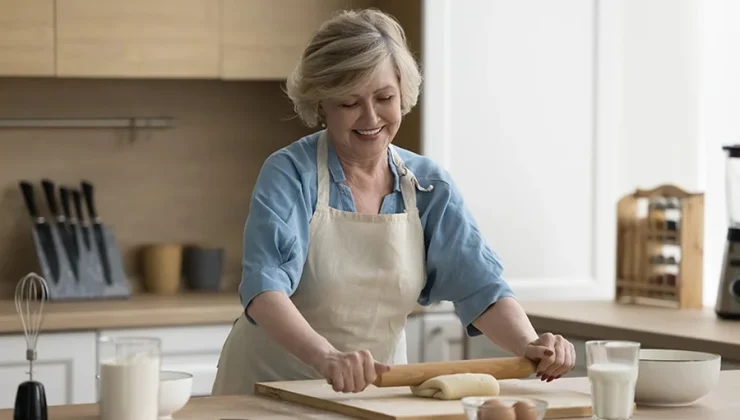
Cooking is a meaningful way to work on motor skills while creating something enjoyable. Tasks like stirring, kneading dough, or cutting soft foods require a variety of muscle movements. Cooking also stimulates the senses, encourages creativity, and fosters social interaction when done in groups.
Dance and Movement Classes
Group activities like dance or gentle movement classes help seniors improve balance, coordination, and strength. Even low-impact dance routines can enhance gross motor skills while boosting mood and providing opportunities for social engagement.
Music Therapy with Instruments
Playing instruments such as drums, tambourines, or keyboards engages both fine and gross motor skills. Striking a drum or plucking strings builds coordination, while rhythm-based exercises can help improve timing and movement control.
Daily Practice with Everyday Tasks
Sometimes the best activities are the most practical ones. Encouraging seniors to button shirts, fold laundry, or pour water into a cup provides meaningful practice with skills they use every day. Assisted living staff can turn these tasks into engaging activities that support independence.
Supporting Independence Through Activities
By incorporating these activities into daily routines, assisted living communities can help residents maintain motor skills longer, enhancing their ability to perform daily tasks and enjoy life more fully. Activities that strengthen both body and mind not only support physical health but also nurture confidence, dignity, and social connection.