How To Choose The Best Yacht Inflatables For A Luxury Boating Experience
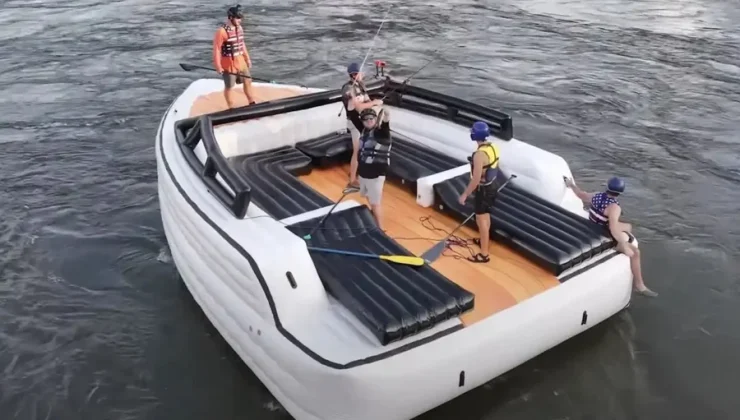
Understanding The Role Of Inflatables In Yacht Comfort And Safety
For many owners and charter guests, inflatables are no longer an afterthought but a core part of the onboard experience. The right mix of toys, tenders, and platforms can transform a standard cruise into a genuinely luxurious escape, allowing guests to relax, play, and access the water in comfort. At the same time, high-quality inflatables also contribute to safety by creating stable areas for boarding, swimming, and handling smaller craft. When planning what to add to a yacht, it helps to start with how the vessel is actually used: long-distance cruising, day trips, family holidays, or corporate entertaining. Each of these use cases will influence the type and number of inflatables that make sense. Owners also need to consider the yacht’s size, available storage, and typical sea conditions in their preferred cruising grounds, as these factors can dramatically affect practicality. By approaching inflatables as an integrated part of the yacht’s layout and lifestyle rather than as separate accessories, it becomes easier to make coherent, long-lasting choices.
Key Factors To Consider Before Purchasing Yacht Inflatables
Selecting the best inflatables begins with understanding the technical aspects behind them. Material quality is one of the primary considerations, as higher-grade PVC or Hypalon offers better resistance to UV, saltwater, and abrasion, which is essential for yachts that spend long seasons in the sun. Owners should also pay close attention to manufacturing details such as welded seams, reinforced handles, and secure attachment points, because these determine how well an inflatable will stand up to regular use. Storage and deployment are equally important, with larger platforms and docks requiring clear plans for where they will be stowed and how many crew members are needed to set them up. When comparing options, it can be useful to look at weight, packed dimensions, and inflation times alongside aesthetics and features. Safety certification and reputable suppliers provide an extra layer of reassurance that products meet recognised standards. Taking a methodical approach at this stage reduces the likelihood of buying equipment that is rarely used because it is awkward or time-consuming to manage.
Matching Inflatables To Onboard Lifestyle And Guest Profiles
Different yachts attract different types of guests, and inflatables should reflect that reality. Families with young children might prioritise stable swim platforms, shaded lounges, and simple water toys that allow everyone to enjoy the sea without feeling exposed or unsafe. More adventurous groups are often drawn to towable inflatables, climbing structures, and floating trampolines that turn a quiet bay into an informal water park. For those focused on relaxation, floating loungers, spacious mats, and modular decks create calm, comfortable zones just above the waterline, ideal for reading or socialising. In recent years, many owners have looked to create entire inflatable “beach clubs” off the stern, combining docking systems, safety barriers, and relaxation areas in one integrated setup. Curated collections of the best yacht inflatables can help tailor these configurations to a vessel’s specific layout and guest expectations. By aligning product choices with how people actually spend their time on board, inflatables become a natural extension of the yacht rather than a collection of disconnected gadgets.
Practical Considerations: Setup, Crew Workload, And Maintenance
Even the most impressive inflatable system will fall out of favour if it proves difficult for crew to handle on a busy charter or private cruise. Ease of setup is therefore a crucial part of any selection process, especially for larger platforms, slides, and docks. Electric pumps, quick-connect valves, and clearly labelled storage solutions can significantly reduce deployment time and make it more realistic to use inflatables on shorter stops. Owners and captains should also think about how use of inflatables fits into the overall daily schedule on board, including tender movements, meal times, and swim stops. Regular maintenance is another factor, as salt, sunscreen, and marine growth can affect surfaces over time. Best practices usually include:
- Rinsing inflatables with fresh water after use and allowing them to dry fully before storage
- Inspecting seams, valves, and attachments periodically for early signs of wear
Long-term care may involve UV protectant treatments and professional repairs when needed, which helps extend the useful life of more expensive setups. By planning for these practicalities from the outset, yacht owners ensure that their inflatables remain an asset rather than an ongoing challenge.