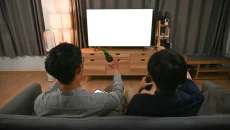
Smart Choices That Shape a Stress Free Lifestyle

Ever feel like daily life is an endless to-do list that somehow keeps growing even after you cross things off? Between managing work, bills, relationships, health, and the occasional attempt at rest, stress starts to feel less like an occasional visitor and more like a permanent houseguest. In this blog, we will share smart choices that shape a stress-free lifestyle—decisions that aren’t about escape, but about building steady, sustainable calm.
Rethinking Simplicity in an Overloaded World
We live in a time where optimization has become the modern obsession. We’re told to wake up earlier, meditate more, meal prep, read five books a month, keep up with the news, unplug from the internet, and still maintain a social life that isn’t just texting “we should catch up” every three months. Somewhere in the shuffle, we confuse doing more with living better.
A stress-free lifestyle isn’t built by adding new demands to your plate. It’s built by streamlining what’s already there, setting up systems that lighten mental clutter, and making decisions once—so you don’t have to revisit them again and again. That includes how you handle your finances.
Money, unsurprisingly, remains one of the most persistent stressors in adult life. Managing where it goes, tracking what’s due, and trying to build a cushion for emergencies all while just keeping up? It’s a lot. That’s where small, smart shifts can quietly change everything. Something as simple as opening a bank account at SoFi can reduce friction and simplify your financial life in ways that add up fast. The platform’s built-in tools are designed for clarity, not confusion—no minimums, no overdraft fees, and easy budgeting features right in the app. When your money works with you instead of against you, stress loses one of its loudest arguments.
It’s not about having more money, necessarily. It’s about having more ease around it. That sense of control—knowing your basics are in place—creates mental room to focus on everything else that matters.
Creating Routines That Actually Work
There’s a difference between discipline and punishment. A well-structured day doesn’t have to feel like boot camp. The most effective routines are the ones that feel natural—where small tasks reinforce each other and reduce decision fatigue.
Start with your mornings. How you begin the day often sets the tone for everything else. You don’t need to rise at 5 a.m. and drink green juice while journaling your goals in cursive. You just need predictability. That could mean waking at the same time every day, leaving your phone untouched for 30 minutes, or prepping breakfast the night before. A stable morning removes friction before the day even gets going.
Evenings matter too. Winding down isn’t a luxury—it’s maintenance. Dim lights. Skip the scroll. Listen to music or read something slow. If you treat bedtime like an afterthought, sleep quality tanks, and stress catches up with you before breakfast.
The point is to give your brain fewer loose ends to manage. When routines are simple and repeatable, your mind doesn’t have to work so hard to stay upright. And that quiet consistency is one of the most underrated stress-reducers available.
Boundaries Are a Kind of Freedom
One of the most overlooked forms of stress is the kind we allow by default—saying yes to things we don’t have space for, checking messages after hours, absorbing other people’s urgency as if it’s our own. Modern life blurs the lines between work and rest, social time and solitude, doing and decompressing. Without clear boundaries, everything bleeds into everything else—and the cost is always energy.
Stress-free living isn’t about saying no to everything. It’s about knowing what to protect. Maybe it’s your Sundays. Maybe it’s your lunch hour. Maybe it’s your inbox after 6 p.m. Creating rules for yourself, and sticking to them, isn’t about being inflexible. It’s about having fewer places where you constantly have to negotiate your own peace.
Boundaries also extend to digital spaces. If you’re constantly checking updates, comparing your life to curated feeds, or responding to notifications the moment they ping, you’re giving away attention that could be fueling rest. Setting time limits or deleting apps that don’t add anything useful to your life isn’t a retreat from reality. It’s maintenance for your nervous system.
When you start protecting your time, your focus, and your emotional bandwidth, life starts to feel less like a constant sprint—and more like a steady walk.
Space Isn’t Just Physical
You don’t need to move to the mountains to feel spacious. Often, the most impactful changes come from how you shape the spaces you already have. That could mean decluttering a drawer that stresses you out every time you open it. It could mean rearranging your workspace so it feels more like a corner for creativity and less like a storage closet with a laptop.
Design matters. Lighting, color, noise—these things influence how your body reacts. If your home or work area constantly overstimulates or depresses you, stress builds quietly, but steadily.
Try shifting one small thing: remove items that serve no purpose, add a plant, turn down the brightness, play music that helps you breathe slower. These aren’t big renovations. They’re adjustments that nudge your environment toward ease instead of agitation.
Your external space is often a mirror of your internal state—and vice versa. Clean up one, and the other tends to follow.
Focus on What You Can Control
Not everything in life is fixable. The economy might wobble. The news might be bleak. People might still cut you off in traffic or reply “lol” to a serious message. But stress becomes manageable when you stay grounded in what’s within reach.
Control isn’t about managing outcomes. It’s about managing your inputs—what you eat, when you rest, how often you move your body, who you spend your energy on. These are the anchors. When life gets unpredictable, they’re what hold you steady.
Start small. Prepare one meal instead of ordering out. Go for a walk without your phone. Make one financial decision that sets you up better tomorrow than today. Every tiny choice that centers your health, money, time, or peace is a vote for the kind of life you want to live.
And the cumulative effect of those choices? It’s not just about stress reduction. It’s about clarity. Direction. The ability to respond to life instead of react to it.
A stress-free lifestyle isn’t about escaping reality. It’s about building a version of life where the basics are solid, the noise is turned down, and you’re not in constant conflict with your own calendar. You don’t need a retreat or a five-year plan. You just need smarter habits, better boundaries, and tools that work for the life you already live.
When you start choosing simplicity—not just as a style, but as a strategy—everything gets lighter. Not because life stops being hard, but because you’ve stopped making it harder than it needs to be.