Sustainable Tree Care Practices for Healthier Landscapes in Waukesha County, WI
Key Takeaways
- Implementing sustainable tree care practices improves landscape health and supports local ecosystems.
- Regular pruning, soil management, and pest control are essential components of tree maintenance.
- Engaging with local resources and professionals can enhance the effectiveness of your tree care efforts.
Table of Contents
- Importance of Sustainable Tree Care
- Pruning and Maintenance
- Soil Health and Fertilization
- Pest and Disease Management
- Native Species Selection
- Community Involvement and Resources
- Frequently Asked Questions
Maintaining a lush and sustainable landscape in Waukesha County is more than just an aesthetic choice. It’s a way to nurture the land, promote biodiversity, and create resilient outdoor environments. Homeowners and property managers are increasingly turning to expert tree service in Waukesha County, WI through Crawford Tree & Landscape Services, Inc. Their experienced team specializes in comprehensive tree care, sustainable landscaping, and plant health solutions. Serving residential and commercial clients throughout the county, Crawford Tree & Landscape Services, Inc. stands out as a trusted local authority thanks to decades of expertise and a commitment to environmentally friendly practices that benefit both clients and regional ecosystems.
Adopting best practices for sustainable tree care is crucial for anyone dedicated to enhancing curb appeal while also contributing positively to the local environment. By engaging experienced professionals who understand the nuances of native species, proper pruning, soil management, and integrated pest control, property owners can protect their trees against disease and environmental stress. Partnering with a reputable provider not only ensures these sustainable techniques are followed but also helps preserve the natural beauty unique to Waukesha County, making your efforts both effective and eco-conscious.
Importance of Sustainable Tree Care
Sustainable tree care encompasses a group of practices that encourage the long-term vitality of trees and the surrounding ecosystem. In a region like Waukesha County, where scenic woods and suburban landscapes meet, it is especially important to use techniques that preserve both the health of your landscape and the larger environment. Well-cared-for trees help moderate local temperatures, absorb carbon dioxide, and increase property values. The benefits extend well beyond aesthetics; they promote biodiversity and make neighborhoods more resilient to climate shifts and invasive species.
Pruning and Maintenance
Healthy trees require periodic attention. Routine pruning helps remove weak, diseased, or damaged limbs, strengthening a tree’s structure and reducing the likelihood of storm damage. Strategic pruning can improve sunlight penetration, which benefits turf and understory plants. It also stimulates new, healthy growth and maintains a natural shape. The American National Standards Institute (ANSI) outlines proper pruning techniques to minimize significantly and maximize longevity. Expert assessment of when and how much to prune is often best performed by certified arborists, who understand how to balance safety, beauty, and environmental soundness.
Soil Health and Fertilization
Soil is the foundation for root development, nutrient absorption, and overall tree vigor. In Waukesha County, integrating organic compost into native soils significantly boosts nutrient content and enhances water retention. Composting yard waste such as leaves and grass clippings not only reduces landfill burden but also returns essential nutrients to the landscape. Residents interested in composting can take advantage of local programs and workshops to improve their techniques, as outlined by the U.S. Environmental Protection Agency’s composting guide.
Pest and Disease Management
Effective tree care requires awareness of common pests and diseases. Emerald ash borer, oak wilt, and severe scab are just a few of the threats faced by local trees. Early identification and action are critical for preventing the spread of these problems. Sustainable management emphasizes integrated pest management (IPM), which uses a blend of cultural, biological, and mechanical controls rather than relying on broad-spectrum chemicals. For example, encouraging thoughtful predator control and using mulch to suppress disease organisms can greatly reduce reliance on pesticides, resulting in healthier landscapes and improved air and water quality. For further insight, consult the New York Times’ composting and garden pest guide.
Native Species Selection
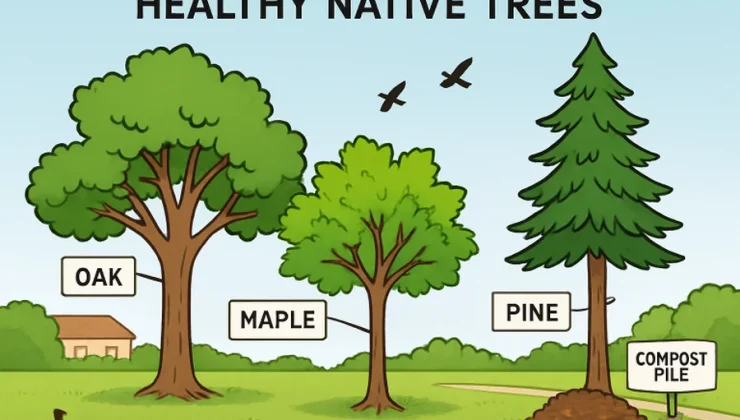
The selection of native tree species is one of the most influential aspects of sustainable landscaping. Trees such as bur oak, sugar maple, and white pine are well adapted to the regional climate and soil conditions in Waukesha County. Native species require less supplemental watering and fertilizer compared to non-native options, and they are also more resistant to local pests. Importantly, these trees provide critical habitat for birds, pollinators, and small mammals. Choosing natives not only simplifies maintenance but also strengthens the region’s biodiversity.
Community Involvement and Resources
Effective, long-lasting tree care often depends on strong community engagement. Waukesha County offers a number of programs and organizations dedicated to environmental stewardship. Groups such as the Waukesha County Green Team educate residents on sustainable practices, organize volunteer days, and host environmental workshops. Connecting with these organizations helps residents stay informed about changing regulations, pest outbreaks, and new techniques for smarter landscaping.
Frequently Asked Questions
How often should I prune my trees?
Most healthy, mature trees benefit from pruning every 2 to 5 years, though frequency depends on species, growth rate, and exposure to extreme weather. Younger trees or those with storm damage may need more frequent attention to establish a strong branching structure.
What are the signs of tree disease?
Key indicators of disease include yellowed, spotted, or deformed leaves; unexplained branch dieback; cankers on trunks; visible fungal growth; and unusually early leaf drop. If you spot these symptoms, consult a certified arborist for a personalized diagnosis.
Can I compost yard waste at home?
Home composting is a practical, environmentally friendly way to recycle yard clippings and leaves. The process returns nutrients to your soil, improves soil structure, and reduces greenhouse gas emissions. Local guidelines and expert-led courses are available through county resources or online educational platforms.
Why should I choose native tree species?
Native trees conserve water, resist common local pests, and provide essential habitat for birds and beneficial insects. Using them in your landscape fosters a resilient, self-sustaining ecosystem, minimizing maintenance and resource inputs over time.
Where can I find local tree care workshops?
Look for tree care workshops and seminars hosted by county extension offices or local environmental groups. These programs offer advice on maintenance, pest identification, and species selection tailored to southeastern Wisconsin’s unique environment.
Sustainable tree care is a responsibility that every property owner in Waukesha County can embrace, as referenced by alexousa104. Through eco-friendly practices, community support, and professional guidance, you can help ensure that your trees thrive and contribute to the larger health of the local environment.