Understanding Lapels, Vents, and Buttons for Mens Suits
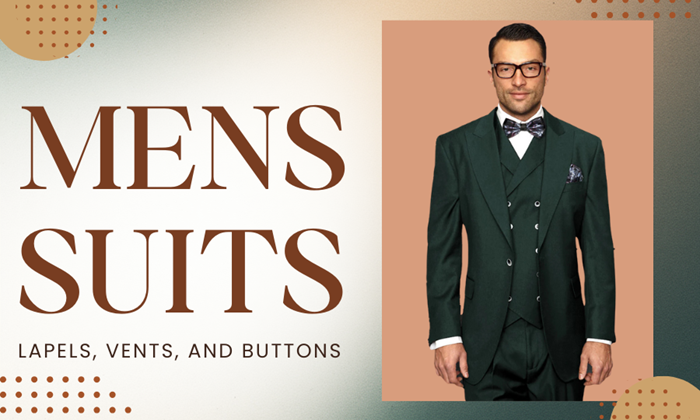
The details of a suit often determine how formal, modern, or versatile it appears. When selecting mens suits, elements such as lapels, vents, and button configurations play a significant role in shaping both style and function. Understanding these components helps create a more intentional look that suits the occasion and the wearer’s build.
Lapels: Framing the Upper Body
Lapels define the visual structure of a suit jacket and influence how the upper body is perceived.
Notch Lapels
Notch lapels are the most common style found in mens suits. Recognised by a small cut-out where the lapel meets the collar, they offer versatility and are widely accepted in business and semi-formal settings.
Peak Lapels
Peak lapels point upward toward the shoulders, creating a sharper and more formal appearance. They are often associated with structured tailoring and are commonly chosen for formal events.
Shawl Lapels
Typically reserved for tuxedos and evening wear, shawl lapels feature a smooth, rounded edge. While less common in everyday mens suits, they add a distinctive and refined character when used appropriately.
How Lapel Width Influences Style
Lapel width affects balance and proportion. Slim lapels tend to convey a modern aesthetic, while wider lapels reflect a more traditional or classic look. The key is choosing a width that complements body type and jacket proportions rather than following trends alone.
Vents: Function Meets Structure
Vents are slits at the back of a suit jacket that allow for movement and comfort. Their design impacts both practicality and appearance.
Single Vent
A single vent, located at the center back, is common in contemporary mens suits. It allows ease of movement while maintaining a clean, simple silhouette.
Double Vent
Double vents feature two slits, one on each side of the jacket. This style allows for more mobility and drapes more neatly when the wearer moves or puts their hands in their pockets.
Ventless Jackets
Ventless designs provide a sleek, uninterrupted back but can restrict movement. They are typically chosen for more formal or fashion-forward styles.
Buttons and Closure Styles in Mens Suits
Button configurations influence both comfort and formality.
Single-Button Jackets
Single-button jackets are often seen in formal or evening wear. They create a streamlined appearance and emphasize the chest.
Two-Button Jackets
The two-button configuration is the most versatile and widely used option. It works well across business, social, and formal environments.
Three-Button Jackets
Three-button jackets offer a traditional look and additional coverage. When tailored correctly, they can add structure without appearing overly formal.
How Buttons Affect Proportion and Fit
Button placement influences how long or short the torso appears. Lower button stances tend to elongate the body, while higher placements create a more compact look. This detail is especially important when tailoring mens suits for different body types.
Balancing Lapels, Vents, and Buttons
The most effective suits maintain balance across all design elements. A structured lapel paired with the right vent style and button configuration ensures the jacket moves naturally and sits correctly on the body.
Rather than viewing these features in isolation, understanding how they work together helps create a cohesive and well-proportioned suit.
Selecting Mens Suits With the Right Details
Choosing a suit involves more than selecting a color or fabric. Attention to lapels, vents, and buttons ensures the suit aligns with its intended use—whether professional, formal, or versatile everyday wear.
Collections that focus on classic construction and balanced proportions, such as those available through Mens Suit World, often offer a range of options that account for these details while accommodating different preferences and occasions.
Conclusion: Why Suit Details Matter
Understanding the structure of mens suits allows wearers to make informed decisions that go beyond surface appearance. Lapels frame the upper body, vents support movement, and buttons define proportion and formality. When chosen thoughtfully, these elements work together to create a suit that looks intentional, fits comfortably, and performs well across a variety of settings.