Wild Betta Fish Guide: Exploring Their Natural Habitat, Behavior, and Care

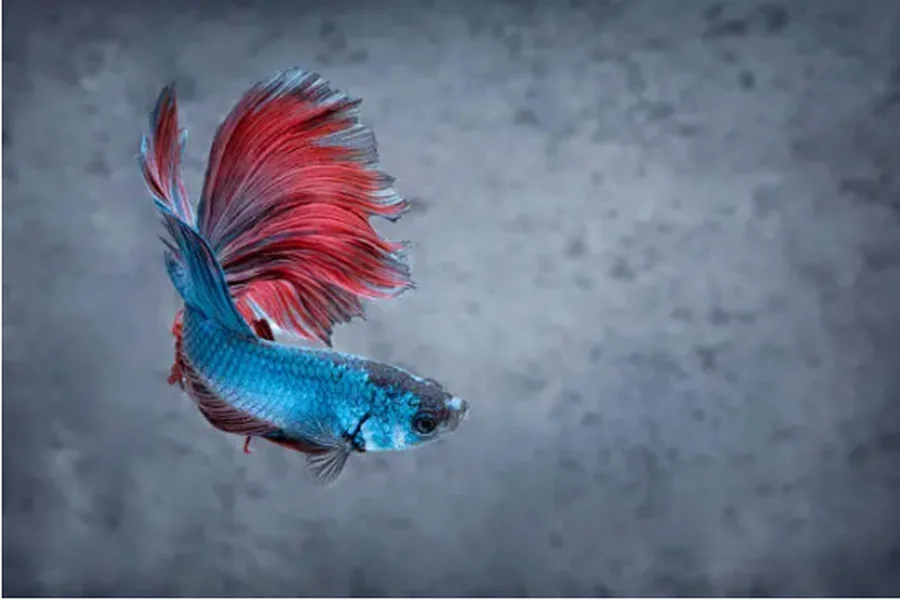
Betta fish, commonly called Siamese fighting fish, originate from tropical regions of Southeast Asia, including Thailand, Cambodia, Vietnam, Malaysia, and Indonesia. Wild populations inhabit shallow freshwater systems such as rice paddies, peat swamps, marshes, and slow-flowing streams. These environments experience seasonal flooding, fluctuating oxygen levels, and dense plant growth, all of which have shaped the physical and behavioral traits of wild Bettas. Domesticated Bettas gained popularity through selective breeding that emphasized exaggerated fins and intense coloration. Wild Bettas differ in appearance and temperament, reflecting survival needs rather than ornamental preference. Knowledge of Betta fish biology and behavior supports ethical fishkeeping and informed habitat management. Understanding natural instincts, feeding habits, and environmental preferences improves fish welfare and strengthens appreciation for freshwater biodiversity. Awareness of wild populations also promotes conservation-minded choices within the aquarium community.
Taxonomy and Classification
Betta fish belong to the family Osphronemidae and the genus Betta. This genus contains dozens of recognized species, each adapted to specific ecological niches. Scientific classification provides a structured framework that helps researchers and aquarists distinguish species, study evolutionary relationships, and support conservation planning. Betta fish fall into two broad categories: domesticated varieties and wild species. Domesticated forms include veiltail, crowntail, halfmoon, plakat, and double tail types. Wild bettas encompass species such as Betta splendens (wild form), Betta imbellis, Betta smaragdina, Betta albimarginata, and many others, each with distinct physical and behavioral traits.
Natural Habitat and Environmental Adaptations
Wild bettas occupy calm freshwater zones with minimal water movement. Typical habitats include rice fields, ponds, forest streams, and swamps filled with aquatic plants, leaf litter, and submerged roots. Water chemistry often trends soft and slightly acidic, influenced by decaying organic matter. Dense vegetation provides shelter from predators, breeding locations, and hunting grounds for insects and larvae. Shallow depths allow sunlight penetration, supporting plant growth and surface feeding behavior. WildBbettas possess a labyrinth organ that allows direct air intake from the surface. This adaptation supports survival in oxygen-poor waters common in stagnant or seasonal environments. Territorial behavior plays a key role in securing food and breeding areas. Visual displays, posture changes, and color shifts help resolve conflicts without constant physical confrontation.
Physical Traits and Adaptations
Evolution shaped Bettas into highly adaptable fish capable of handling environmental fluctuation. Body shape favors maneuverability in dense vegetation. Shorter fins reduce drag and injury risk. Coloration supports concealment, shifting subtly during communication or courtship.
Reproductive strategies vary widely. Some species construct bubble nests at the surface, guarding eggs until fry become free-swimming. Others practice mouthbrooding, protecting developing eggs orally. Wild Bettas display impressive diversity in size, coloration, behavior, and reproductive methods. Each species reflects adaptation to its specific environment. This diversity strengthens ecosystem resilience and highlights the ecological value of preserving natural populations.
Wild Bettas usually exhibit earth-toned coloration such as brown, bronze, olive, muted blue, or red hues. Iridescent highlights may appear under certain lighting conditions, often during displays or mating behavior. Fins remain compact and functional rather than elongated. These physical traits support camouflage, efficient movement, and survival within complex freshwater environments.
Behavior and Social Interaction
Territorial instincts remain prominent, particularly among males. Displays involve fin extension, gill flaring, and body positioning rather than constant physical combat. Feeding behavior focuses on surface hunting, targeting insects, larvae, and small invertebrates. Social tolerance varies by species and habitat structure. Some wild bettas coexist peacefully in areas with abundant cover, whereas others maintain strict boundaries.
Each wild betta species presents unique requirements tied to habitat conditions, water chemistry, and breeding behavior. Recognizing these distinctions supports appropriate care and prevents incompatible housing arrangements in captivity. Wild bettas retain instincts shaped by natural selection. Domesticated bettas often show exaggerated physical traits and modified behavior influenced by selective breeding. These differences affect swimming efficiency, stress tolerance, and social interaction.
Wild bettas favor warm temperatures, subdued lighting, and calm water flow. Vegetation density influences behavior, breeding success, and stress levels. Stable conditions promote feeding activity and natural interaction patterns. Understanding habitat preferences supports accurate aquarium design that reflects natural environments rather than decorative trends.
Reproduction and Life Cycle
Courtship involves coordinated movement, posture shifts, and intensified coloration. These displays allow mate assessment and reduce aggression during pairing. Environmental cues such as water temperature and seasonal changes influence breeding readiness. Bubble-nesting species construct floating nests that house fertilized eggs. Males guard nests carefully, retrieving fallen eggs and maintaining the structure. Mouthbrooding species retain eggs orally until the fry develop. Parental care contributes significantly to offspring survival.
Conservation of Wild Bettas
Many wild betta species face population decline tied to habitat degradation, water pollution, land development, and unregulated collection for the aquarium trade. Some species have limited geographic ranges, increasing vulnerability. Conservation initiatives include habitat restoration, captive breeding programs, legal protection, and community education. Ethical sourcing practices reduce pressure on wild populations and support sustainable aquarium trade. Aquarists and hobbyists contribute by supporting captive-bred specimens, learning species-specific care needs, and sharing accurate information. Advocacy for habitat protection strengthens long-term conservation outcomes.
Raising Wild Bettas in Captivity
Wild bettas can thrive in home aquariums when conditions reflect natural environments. Their care suits aquarists interested in behavioral observation and ecological authenticity rather than ornamental display. Aquariums benefit from gentle filtration, stable warm temperatures, natural décor, and subdued lighting. Driftwood, leaf litter, and live plants provide shelter and support instinctive behavior. A diet based on live or frozen insect-based foods mirrors natural feeding patterns. Regular observation helps identify stress or health changes early. Stable routines support long-term well-being.
Conclusion
Wild bettas provide insight into freshwater ecosystems shaped by evolution, climate, and adaptation. Their physical traits, behavior, and reproductive strategies reflect survival in dynamic environments rather than ornamental design. Appreciating wild bettas through informed care and conservation awareness supports biodiversity and responsible aquarium practices. Protecting these fish safeguards not only individual species but the delicate freshwater systems they inhabit.